Medieval weapons in video games can be pretty fascinating. Swords, axes, maces, bows—all these classic arms fill our screens in everything from fantasy RPGs to historical adventures. But how much of what we slash, swing, and shoot in games actually lines up with the real thing? In this article, I’ll walk through some of the most popular medieval weapons you see in games and dig into what’s true, what’s wild fiction, and what actually makes sense for gameplay and fun.
Why We Love Medieval Weapons in Games
Medieval weapons aren’t just there for looks. Over the years, these weapons have come to symbolize adventure, strength, and even nostalgia for a time most of us only know through stories and movies. Games use them for lots of reasons, some aiming for realism, while others go for flashy moves and big drama.
Game designers often draw from real history to inspire their weapons, but balancing historical accuracy with gameplay is a big challenge. After all, hacking through armor might be totally unrealistic, but a game where every sword fight ends in one swing might not feel very fun. My own first experience with a “realistic” sword fight game made me realize just how different history and gaming can be. For a lot of developers, it’s all about stepping up the excitement while keeping it believable enough to keep us hooked.
How Video Games Portray Swords, Axes, and Maces
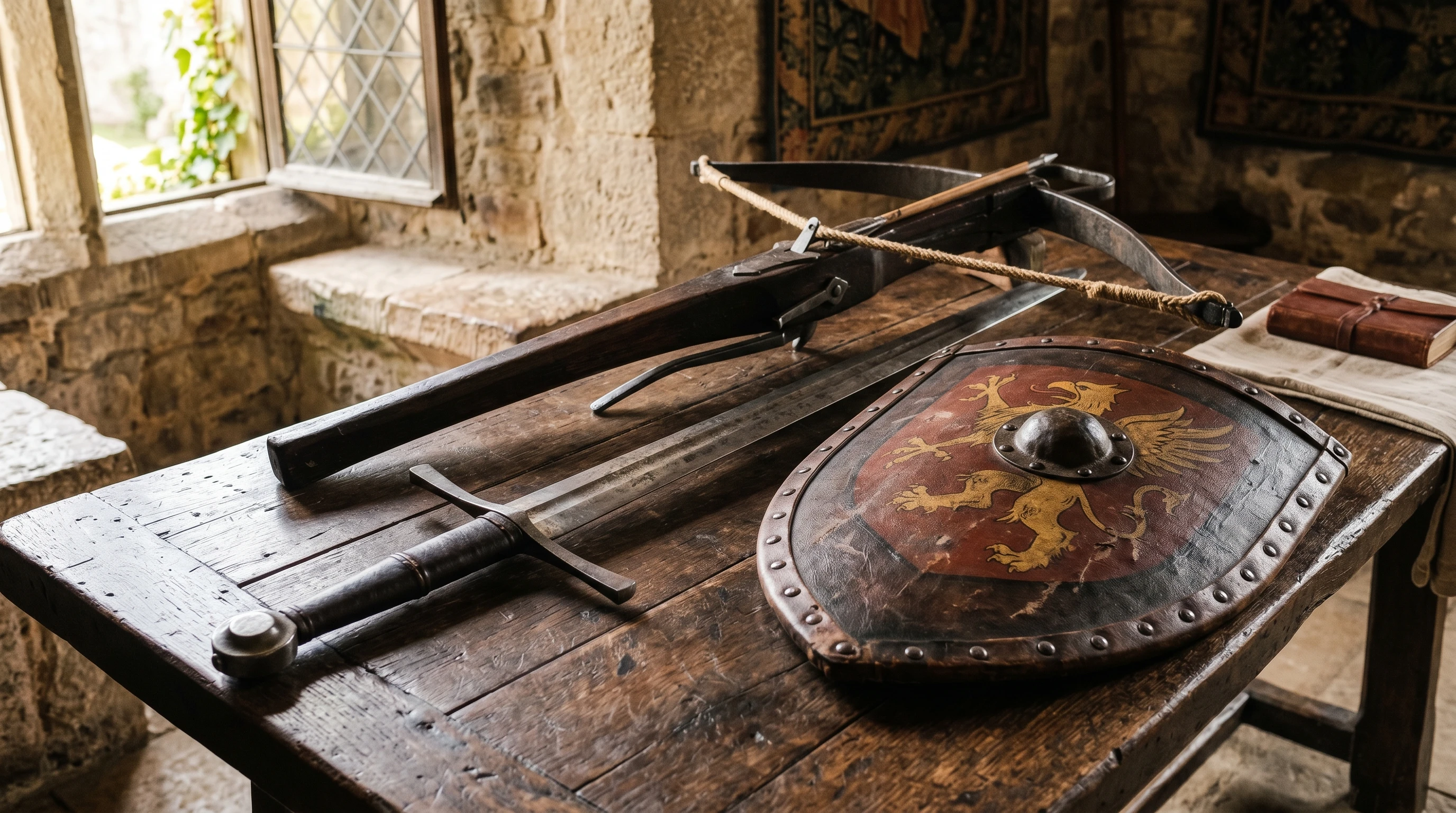
The sword is pretty much the poster child for medieval weaponry in games, but there are all sorts of variations. Here’s how some familiar classics usually show up, and how they compare to the ones wielded in the Middle Ages.
- Longswords: Video games often paint these as hefty, twohanded blades swinging in huge arcs. In real life, longswords typically weighed about 2.5–4 pounds and were quick, precise weapons, not the heavy clubs you sometimes see on screen. The fancy spinning combos you get in games like Dark Souls or Skyrim are mostly for show; real swordfighters relied on quick thrusts, tight maneuvers, and smart timing.
- Greatswords: These massive blades do pop up in history, but rarely were they as enormous as the ones in some fantasy titles. Real greatswords (like the Scottish claymore) were big, but not so heavy or unwieldy that only a giant could use them. Swinging a slab of steel takes a lot of muscle in real life, but in games, characters barely flinch!
- Axes and Maces: Crushing weapons get a lot of love in medieval games, and they were super effective against armor back in the day. Games often have them deliver huge knockback or even break shields, which is kind of close to the real thing. Still, most maces weren’t massive balls of spikes, and axes weren’t always doubleheaded monsters.
The truth is, most weapons needed to be light and fast, because slow, heavy swings left fighters open. You’d see a lot more smaller swords or singlehanded axes in actual medieval combat than the massive, overthetop stuff games are famous for. Still, that wild and nextlevel cool style keeps us coming back for more. Some of the best moments in games come when a weapon just feels good to swing, even if it’s far from historically accurate.
Ranged Weapons: Bows, Crossbows, and Throwables
Archery in video games always looks effortless. In games, you can usually pull off impossible shots midjump, reload in a split second, and fire with no fatigue for hours. Real historical archers needed serious training, and longbows could require up to 100 pounds of force to draw. Your average game character is functioning more like a superhero than a regular person!
- Longbows: Games show bows with accuracy over wild distances, but hitting a distant, moving target was a real challenge even for trained medieval archers. Also, most archers would never fire while running or jumping; it’s hard enough standing still.
- Crossbows: These did offer great armor penetration, but reloading took way longer than a second or two. Crossbows could shoot through steel at close range, but shooters usually had to crank the weapon back slowly; something games skip for pace.
- Thrown Weapons: Throwing knives and axes are everywhere in games for quick stealth kills, but hitting a target with a thrown weapon was tough and not all that common in actual fights. For most medieval soldiers, keeping a weapon in hand made a lot more sense.
Games ramp up the action by letting players shoot as fast as they click or tap. Historical battles? Way slower and a lot more about patience and teamwork. Yet, the thrill of sniping an enemy with a bow from across the map is just too much fun for game designers to pass up. Some modern games even make it possible to craft your own arrows and customize your ranged attacks, further blending reality and fantasy for added depth.
Armor and Shields: What Games Get Right and Wrong
Armor design takes a lot of creative license in gaming. Suits of plate mail or chainmail often look extra chunky in games, but real armor was crafted to balance protection and mobility. A full suit of plate armor, for example, could weigh around 45–55 pounds, but it was distributed well and didn’t make the wearer into a slowmoving statue.
- Blocking Mechanics: Game shields are usually indestructible after hours of abuse, and the classic “block everything” stance shows up a lot. In reality, even solid shields would wear down fast. Blocking heavy blows was mostly about angles and quick movements, not just standing behind a board all day.
- Heavy Armor Movement: Plenty of games force heavy armor wearers to move slow, but some real knights could run, jump, and even do somersaults in armor. Plate armor sacrificed some flexibility, sure, but it didn’t turn people into statues.
- Mixing Armor Types: Games often feature wild armor combos just for looks. Actual medieval fighters customized their gear based on what they could afford, where they fought, and the tech of their time. It was way less “fashion show,” way more “make what you’ve got work.”
What I love about modern games is how some, like the Kingdom Come: Deliverance series, really try to capture the feeling of armor and weapon weight without cutting corners on fun. If you’re into a more realistic medieval experience, it’s one worth checking out. Meanwhile, other games just make it easy to switch gear on the fly so players can mix in some variety and customize their style.
Magic, Fantasy, and the Superpowered Arsenal
There’s no ignoring the wild, often magical nature of medieval weapons in many video games. Swords glow, axes set things on fire, and bows shoot ice arrows. No real-life Viking charged into battle with a lightning axe, but this kind of magic weaponry is part of what makes so many fantasy games exciting and eye-catching.
In games like The Witcher or the Elder Scrolls, historical accuracy takes a back seat to giving players cool, overthetop powers. I’m all for it. It’s a big part of the fun, even when you know it would never happen outside the screen.
Still, it’s interesting to see how some developers ground their fantasy weapons in real-life design, borrowing blade shapes, shield patterns, or even historical names, even if the final abilities are totally out there. Sometimes, the details on a fantasy mace or shield come straight from medieval history books, even if they get extra magic tacked on later.
Key Differences Between Game Weapons and Real Medieval Arms
- Weight and Size: Real medieval weapons were a lot lighter and handier than most oversized video game versions. Developers bump up the size for style and clarity onscreen.
- Damage: One-hit kills weren’t always a thing, and wounds could be messy. Games have to keep things moving, so they simplify combat outcomes. Real fights often ended in exhaustion or retreat, not always with dramatic finishing moves.
- Durability: Weapons and armor took lots of maintenance. Swords chipped, shields split, and gear broke down fast under hard fighting; things games usually skip for pace.
- Technique: Gaming heroes often use showy, flashy attacks. Historical combat was full of grappling, clever footwork, and well-timed strikes, less show, more “just get it done.”
What You Should Know About Real Medieval Weapon Use
History buffs and reenactors spend years studying medieval fighting techniques. If you’re curious what swinging a sword or shooting a bow actually feels like, there are martial arts like HEMA (Historical European Martial Arts) that focus on actual moves from the past. I’ve tried out longsword practice before—it’s tough and technical, and way sweatier than swinging a sword in a video game!
Careful research helps game developers keep things believable enough while making sure fights stay entertaining. You can spot the games that bring in experts or train with reenactors. Their combat feels different, sometimes a lot heavier and riskier than arcadestyle games. If you ever get a chance to check out some HEMA videos or attend a reenactment event, you might pick up new insights that change how you look at those epic game battles.
Myths That Games Keep Alive
- Full-body spinning attacks: These dramatic moves look awesome, but they waste energy and leave you open, a risky pick in any real fight.
- Swords slicing through steel: Steel armor was made for a reason. Most swords would glance off, which is why maces and hammers became more common as armor improved.
- Assassins hiding huge swords “just in case”: Medieval weapons are bulky. There aren’t many places to hide a claymore under your cloak, even if games love that story.
Frequently Asked Questions
Question: Do games ever get medieval weapons right?
Answer: Some games do a better job than others! Historical titles like Kingdom Come: Deliverance or Mount & Blade put more effort into realistic combat and weapon behavior, while most fantasy games just focus on making you feel powerful.
Question: Why are swords so popular in video games?
Answer: Swords are instantly recognizable, versatile, and just plain cool. They also give players a nice mix of attack speed, reach, and style compared to other weapons.
Question: Were all medieval weapons huge and heavy?
Answer: Not even close! Most real weapons were surprisingly light, designed to be used for hours if needed, and balanced for quick strikes. Games make them bigger to stand out on screen and give that epic vibe.
Wrapping Up: What Medieval Weapons Mean for Gamers
Video games aren’t documentaries, and most players are looking for thrilling action over historical reenactment. Still, knowing what’s accurate (and what’s definitely not) can add a new layer of appreciation for both the imagination of game designers and the craft of real weaponsmiths and fighters. I love seeing how games grow more realistic over time, but I also kind of like a firebreathing sword now and then. If you’re curious for more, you might want to check out groups like the HEMA Alliance or some cool behind-the-scenes videos from your favorite games. Sometimes, digging into the details outside the game is just as fun as playing. In the end, it’s all about finding that balance between fun, fantasy, and just enough truth to keep us coming back for another adventure.