Medieval weapons popping up in movies and TV shows always catch my eye, whether it’s an epic sword fight or a dramatic castle siege. If you’re like me and you watch a lot of historical dramas and fantasy, you’ve probably wondered just how much of what you’re seeing is close to real medieval combat, and how much is simply for the wow factor. I’m walking you through what movies get right, where creative license takes over, and what makes these legendary blades, axes, and bows so popular on screen.
Why Medieval Weapons Remain a Movie Staple
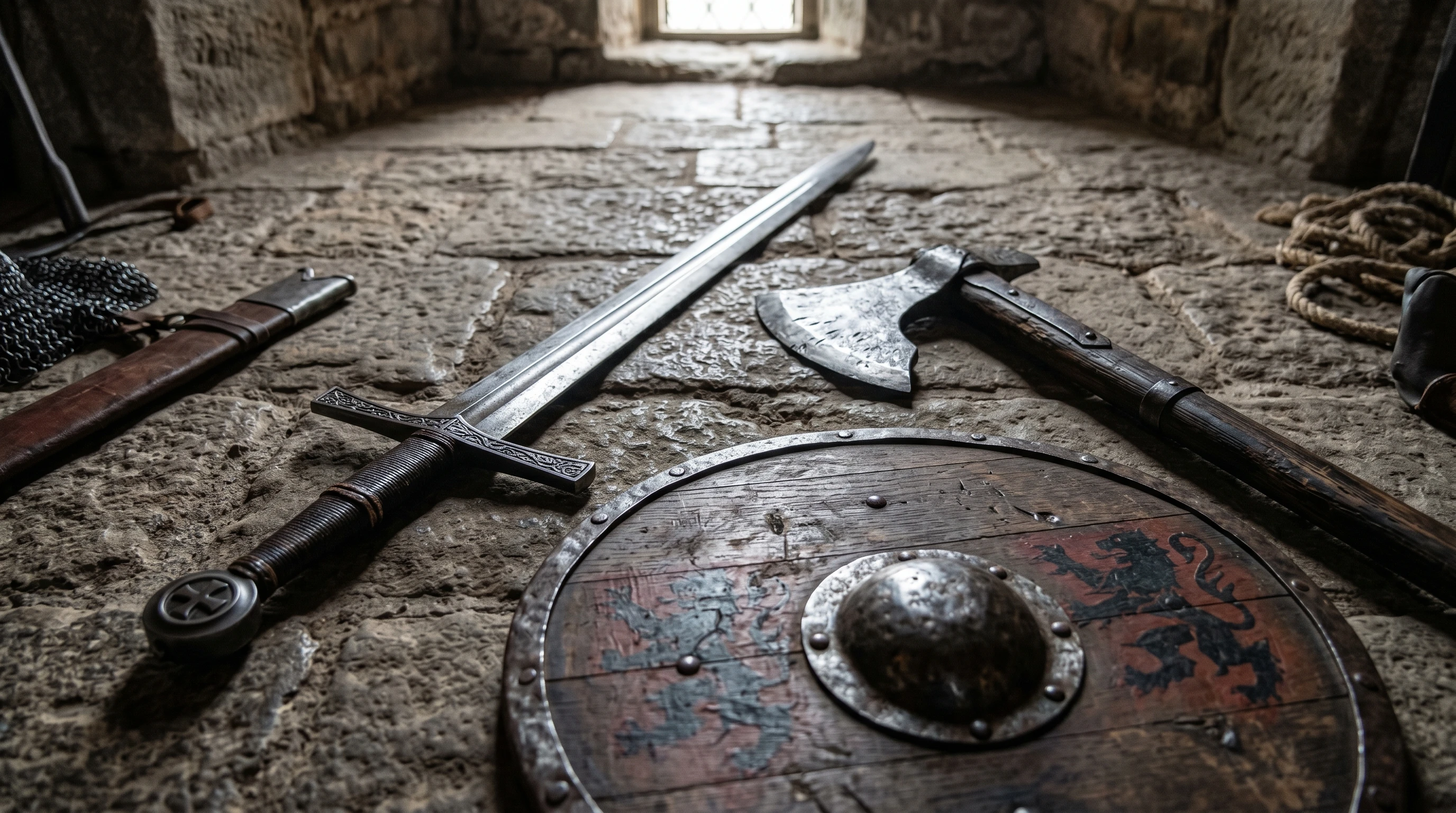
Medieval weapons make for dramatic visuals and high-stakes action. Swords and axes have a real sense of weight and danger that you just don’t get with modern firearms. That “hands on” fighting style ramps up tension, plus it allows filmmakers to choreograph physically demanding duels, which are way more engaging to watch.
Apart from the obvious cool factor, audiences are drawn in by these weapons because they symbolize power, heroism, and sometimes even mysticism. From “Game of Thrones” to “The Lord of the Rings,” these iconic blades are loaded with meaning and history, both in-universe and in real life.
Another reason for their popularity is the visual storytelling these weapons provide. A well-crafted sword or a battered shield can quickly communicate a character’s experience or background without a single word of dialogue. Weapons also anchor us to a certain time period, making the setting feel more authentic than if laser guns or futuristic gadgets were used. When audiences see a protagonist pick up a legendary blade or an archer tighten their bowstring, it sets the tone for the action to come.
Movie vs. Reality: How Accurate Are Medieval Weapons On Screen?
There’s no escaping it. Accuracy sometimes takes a back seat to spectacle. Here’s a breakdown of what you often see in movies, and how it lines up with how people actually fought and used these weapons hundreds of years ago.
- Swords: Movies favor huge, flashy swords for main characters, but in reality, most medieval swords were pretty practical. Longswords, for example, balanced reach and weight. They weren’t as heavy as they’re sometimes shown. Typically weighing 2–4 pounds.
- Axes and Maces: These weapons were more common than most people think, and not just for Vikings. Maces and axes could be easier and cheaper to make than swords, and could pack a punch through armor. Films sometimes show axes as massive twohanded monsters, but a real battle axe was usually compact and designed for speed.
- Shields: Shields are often treated like indestructible barriers in movies, but real shields could chip, crack, and break. Fighters had to use them for both offense and defense, often in coordination with a sword or spear.
- Bows and Crossbows: Archers often look like sharpshooters in movies, casually picking off enemies at great distances. Actual battles relied on volleys to create chaos, and accuracy dropped fast over distance. Crossbows were slower to reload than longbows, but they could go through armor at close range, and didn’t require years of training to use effectively.
Props teams sometimes strive for historical accuracy, but directorial style usually wins out if it looks nextlevel cool on camera.
The Main Medieval Weapons in TV & Film
If you’re curious what weapons get the most screen time and attention, here are the big hitters you’ll keep seeing in medieval-inspired productions:
- Longswords and Broadswords: Usually seen as a hero’s weapon, like Aragorn’s sword in “The Lord of the Rings” or Jon Snow’s in “Game of Thrones”.
- Battle Axes: Pop up with characters who are meant to look particularly tough, like Vikings, or for bigger, intimidating villains.
- Daggers: Used in stealthy scenes or surprise attacks, daggers are small, easy to hide, and deadly up close.
- Bows: Archers like Legolas or Merida from “Brave” make bows look like the ultimate tool for silent takedowns and stunt shots.
- Spears and Halberds: Usually issued to guards and armies in crowd scenes, these weapons were more common than swords on real medieval battlefields.
Sometimes, movies mix in less familiar medieval weapons like morningstars, flails, and warhammers for specific characters or to freshen up the usual lineup. These choices often help reinforce a character’s backstory, status, or approach to combat, making the weapon as important as their clothing or accent.
The Reality Behind Weapon Use and Combat Styles
Choreographing a believable fight is pretty hard when real historical combat styles are honestly less flashy than people expect. Many real sword fights were over in seconds, especially between experienced fighters. The moves emphasized efficiency, using quick thrusts, leverage, and grappling; none of the spinning, wild swings we see in blockbusters.
On film, directors love twohanded swings and dramatic shield bashes. In reality, a trained swordsman aimed for control over brute strength—and wouldn’t waste energy on massive, slow swings that could leave them exposed. If you watch closely in movies, you’ll spot actual historical fencing techniques here and there, but they’re almost always dialed up for drama.
Directors and fight choreographers sometimes have to walk a thin line between entertaining the audience and staying true to history. For example, real swordplay includes a lot of grappling and dirty tricks, but showing too much realism can slow down the pace and make scenes harder to follow. To keep the audience engaged, fight scenes often exaggerate the action, making duels last longer and moves appear more athletic or theatrical than they would have been in real battles.
Biggest Movie Myths About Medieval Weapons
- Weapons were super heavy: The idea that swords weighed 10–20 pounds is pretty widespread, especially in Hollywood. Real medieval swords were designed to be light and fast, usually not much heavier than a modern baseball bat.
- Armor made you clumsy: Movies sometimes show knights in plate armor lumbering around, but real armor was fitted and could allow for a surprising range of movement. Knights were expected to run, ride horses, and fight for hours in their gear.
- Swords cut through armor: This is another fun but impractical trope. Against plate armor, swords relied more on thrusts or halfswording (gripping the blade to aim) than on trying to hack through steel.
- Every hero forges their own sword: This idea makes for a good story (see “Conan the Barbarian”), but swords were crafted by skilled smiths, and it was a lengthy, expensive process.
- Archers as lone snipers: Movies often show a single archer changing the course of a battle, but most archers fought as a group, focusing on area control rather than individual heroics.
How Movie Weapons Are Made and Used On Set
Most weapons you see on film are replicas designed specifically for safety. Metal swords are sometimes used for close-up detail, but lighter, safer versions come out for stunts; often aluminum, rubber, or plastic. Stunt performers and fight choreographers will train for weeks to make sword fights look real without getting anyone hurt.
- Rubber and Foam Weapons: Used in crowd scenes or when actors need to swing violently without risking injury.
- Sword Sounds: Created in postproduction with specially recorded noises, since real swords don’t always make that dramatic “schwing!” with every movement.
- Hidden Safety Gear: Actors often wear protective padding under their costumes, especially for scenes with falls or heavy impacts.
- Customized Prop Weapons: Separate versions are made for different shots—some are bright and shiny for closeups, others are meant to bend or break safely during intense action sequences.
Real-World Inspiration for Screen Fights
Some productions call in historical fencing experts to teach actors real fighting principles. Shows like “The Witcher” and movies like “Kingdom of Heaven” have occasionally been praised for using authentic swordplay, though even these picks stylized moves for storytelling.
In some cases, productions go the extra mile by researching combat manuals or ancient texts. Consultation with historians or professional fighters can bring a layer of authenticity, but even then, cool visuals nearly always win out when tough choices need to be made in the editing room.
What Makes a Scene Feel Authentic?
It’s not just about the weapon design. Movements, props, and even how actors carry the weapons matter a lot. Here’s what typically signals some real attention to detail from filmmakers:
- Correct Grip and Stance: If the sword is balanced correctly and the actor is holding it with confidence, chances are they actually trained for the role.
- Movement With Purpose: Fights focusing on defense, tight footwork, and practical moves are closer to what real fencing looked like.
- Armor and Weapon Pairings: Movie scenes pairing mail armor with axes, or knights with swords and shields, are generally more historically reasonable than a random assortment of weapons for a single character.
- Use of Surroundings: Characters making use of the environment—grabbing objects as improvised shields or weapons—echoes real fighting tactics.
- Signs of Wear: Realistic wear and tear on weapons and armor suggests ongoing conflict and creates a more lived-in feel on screen.
Modern Productions: Who Gets It Right?
Not every show or film fakes it. Some recent hits have received praise for their realism. “The Last Kingdom” is one people often cite; fight scenes make use of shields, teamwork, and exhaustion. The “Game of Thrones” production hired sword masters to choreograph complex, layered battles, especially in later seasons.
Some indie movies and European TV productions put even more effort into the details, as budgets and time allow. Watching behind-the-scenes clips or commentary can be pretty fun if you’re hoping to spot what research went into your favorite scenes.
Shows that get it right will also pay attention to the social context of weapons—for example, who is allowed to carry certain arms, or the impact of technology on warfare strategies. These touches not only make the action more believable but deepen the immersion for the audience.
Frequently Asked Questions About Medieval Weapons in Film
Question: Are movie swords ever actual antiques?
Answer: For safety and preservation, real antiques almost never show up on set. Weapons are custom-made, often with modern alloys, and aged to look hundreds of years old if the story calls for it.
Question: Do actors have to train to use medieval weapons?
Answer: Most leads do. Whether it’s learning how to swing a sword or hold a shield, training helps avoid injuries and make movements convincing. Stunt teams train for even longer.
Question: Can you really cut an arrow in half with a sword?
Answer: That classic move is mostly for style points. Completely possible in animated movies, but the odds are very slim with real weapons.
Behind the Scenes: My Take
Spotting wild inaccuracies is part of the fun of being a fan of medieval history and sword fighting. Some movies go for eye-catching visuals; others dig a bit deeper and show off weapons and combat more realistically. Either way, they help keep a wider interest in medieval arms and history alive, and for that, I’ll take a few impractical sword twirls for the sake of a good story any day.
If you’re interested in learning more or want to try your own hand at sword fighting, there are real-life historical fencing clubs and armory museums worth checking out. Watching stunt teams or YouTube channels dedicated to HEMA (Historical European Martial Arts) is also a great way to spot the difference between movie magic and the real thing! If visiting a museum isn’t practical, many offer virtual tours, letting you check out artifacts from anywhere. There are also online communities focused on medieval weapon replicas and reenactments, where enthusiasts share tips and point out movie myths, helping fellow fans get a sense for the real art and science behind the weaponry. Whether you’re watching the next big action sequence or picking up a sword at a local club, the world of medieval weapons always has something new to stumble upon.