Knights have always captured my imagination. They conjure up images of shining armor, grand tournaments, and legendary battles. Behind every famous knight, there’s usually a story about their armor—how it was made, what it protected against, and how it changed through history. Learning about their gear gives a window into the real challenges they faced and the reasons these warriors were so respected in their day.
A Short Background on Knights and Their Armor
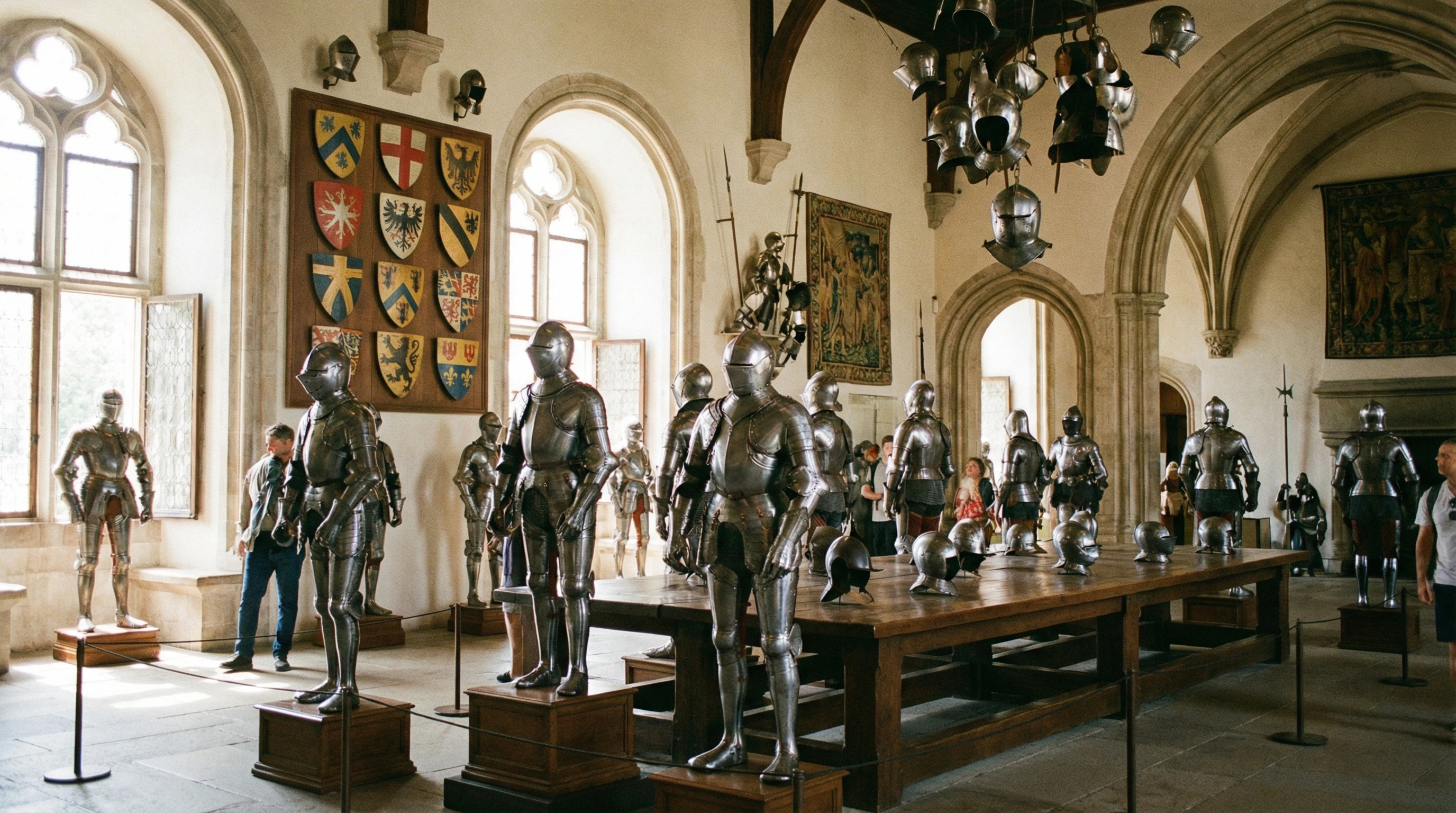
The classic image of a knight in full steel plate armor actually only represents a short slice of medieval history. Knights first appeared in Europe around the 9th century, but their armor looked very different from what you’d see in movies. Early medieval knights relied on chainmail, which was pretty lightweight for the protection it offered.
Armor design kept pace with advances in weaponry. As swords, arrows, and especially crossbows got better at piercing mail, armorers worked hard to come up with steel plates, better helmets, and stronger shields. Knights were on the front lines of this gear race, and some even became legends because of the armor they wore.
Legendary Knights and Armor that Made History
The world’s best-known knights are remembered not just for their exploits, but for the armor that symbolized their era. Here are some famous knights and the stories behind their armor:
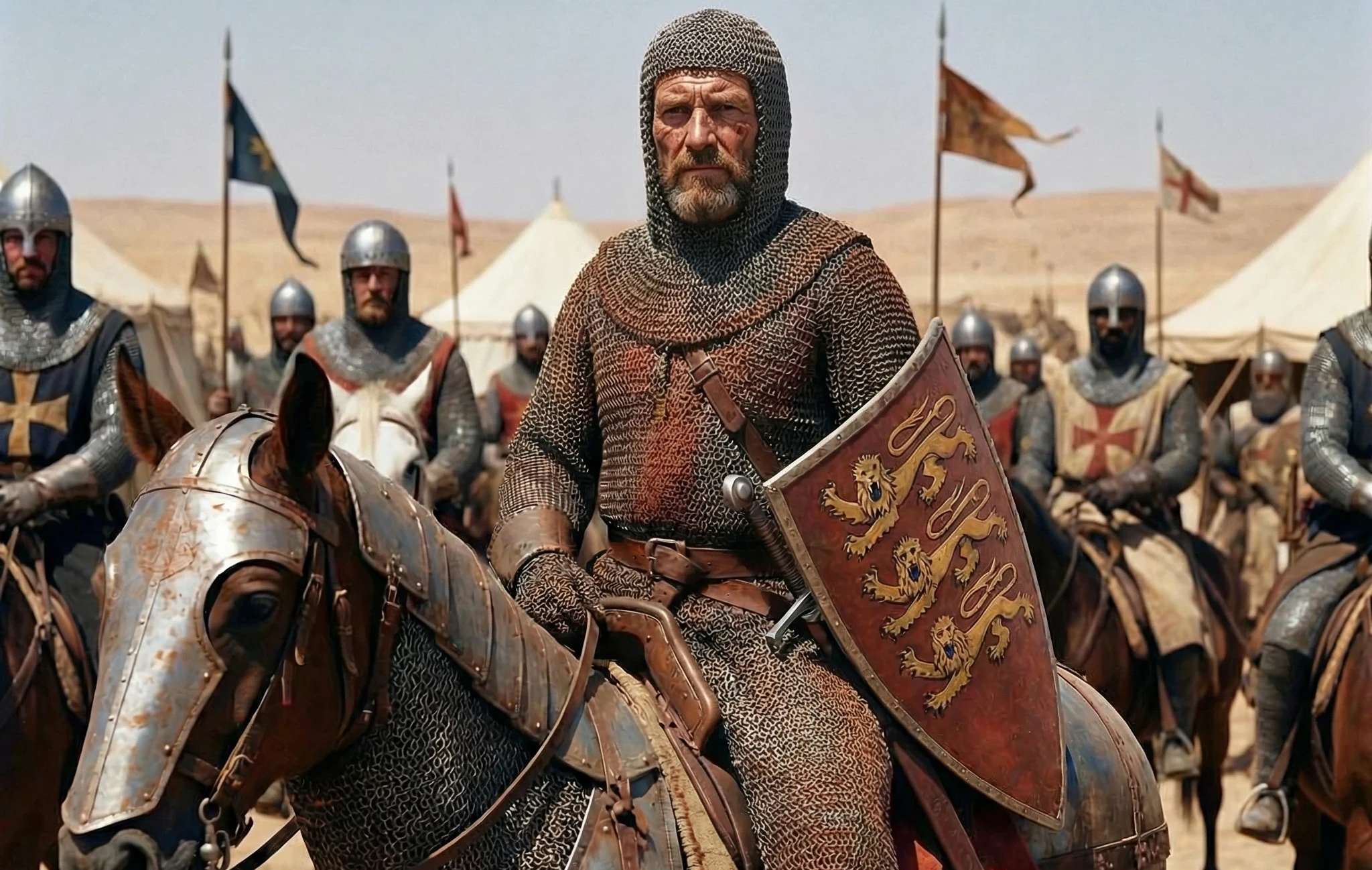
- Richard the Lionheart (1157–1199): Richard was King of England and a fierce warrior known for leading the Third Crusade. His 12th-century armor mostly included a mail hauberk (a long shirt of linked rings), a sturdy helmet called a great helm, and a kiteshaped shield. His gear balanced protection and movement, since crusading knights fought both on horseback and on foot.
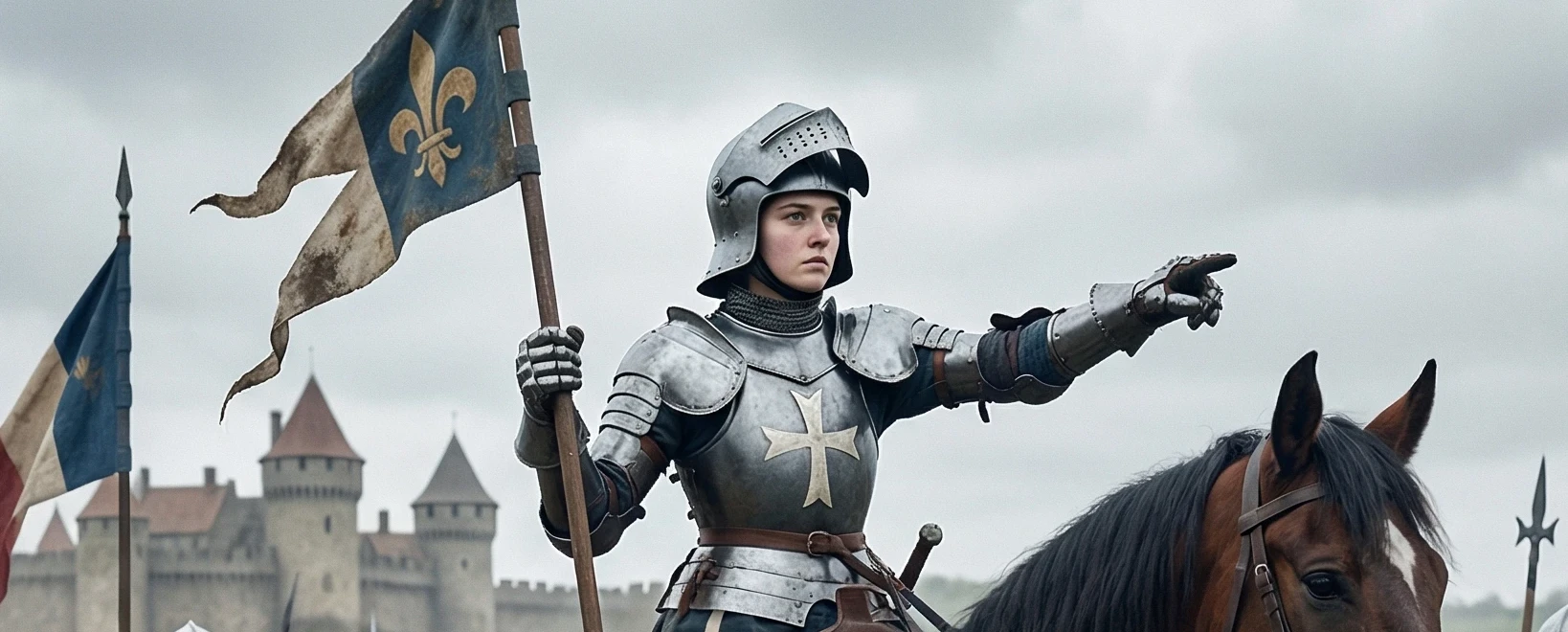
- Joan of Arc (1412–1431): Joan of Arc led the French to key victories during the Hundred Years’ War. She wore custommade plate armor, which offered great protection but wasn’t as heavy as people sometimes think. Her gear was practical, covering the whole body, so she could lead from the front.
- Sir William Marshal (1146–1219): Sometimes called the “greatest knight,” Marshal served four kings and survived dozens of tournaments and battles. He wore sturdy mail armor and later switched to newer styles as armor changed, including plate reinforcements over vital areas.

- Edward, the Black Prince (1330–1376): Edward’s armor was some of the finest of the 14th century, featuring a mix of mail and early plate. He also had a distinct black surcoat and blackened armor plates, inspiring his nickname. The design offered good mobility and made him easy to spot on the battlefield.

Breaking Down the Main Types of Knightly Armor
Armor design wasn’t just about looking cool. Each generation built on lessons from the battlefield, local threats, and even the knight’s budget. Here are the main types of armor you’ll hear about with famous knights:
- Mail Armor: Early knights got most of their protection from mail—woven rings of metal covering the arms, chest, and legs. It was flexible, easy to repair, and great for turning blades and arrows, but it wasn’t perfect against blunt force.
- Plate Armor: Gaining popularity around the 14th century, plate armor offered serious defense against swords, arrows, and heavy weapons. By the late 15th century, knights in full plate looked practically invincible, with articulated joints and thick protection everywhere but the eyes.
- Helmets: Helmets started as simple conical shapes but developed into the famous great helms and later visored bascinets. These weren’t just about protecting the head; they also allowed for voice projection, vision, and sometimes a touch of style.
- Shields: Shields changed shape and size to match new threats. Early knightly shields were large and kiteshaped (great for mounted combat), while later pavises and bucklers were smaller and more useful for close-range duels.
What to Know About Knightly Armor
Armor wasn’t onesizefitsall. If a knight had money and connections, their kit might be customcrafted for a perfect fit. Here are a few things I find interesting about the way historical knights got ready for battle:
- Weight and Mobility: Plate armor for a fullgrown knight could weigh 40 to 60 pounds. That might sound heavy, but the weight was spread over the body, and well-made armor allowed for a surprising amount of movement. Knights could climb stairs, mount horses, and fight on foot better than you might guess.
- Maintenance: Armor needed regular care to keep it rustfree and in top shape. Knights invested in squires and armorers who kept their kit ready for action.
- Customization: Some knights added extra plates to arms or legs for tournaments, or had their coat of arms painted directly onto armor. This made them easier to recognize and helped boost their morale in a crowd.
Common Challenges Faced by Knights and Their Armor
Donning all that steel wasn’t always fun. Here are a few issues that even the toughest knights dealt with:
- Heat: Armor could get really hot during summer battles. Knights had to stay hydrated, and overheating sometimes caused problems faster than enemy weapons.
- Vision and Hearing: Those protective visors could block sound and sight, so knights popped them open whenever they weren’t in direct danger.
- Vulnerable Spots: Some parts, like armpits or joints, were always trickier to protect. Knights relied on shields and fast reflexes to guard those weak points.
Armor in Tournaments vs. War
Armor used for tournaments often looked fancier and sometimes even heavier than what knights wore in real fights. Tournament armor might have extra padding or be shaped for very specific games, like jousting, where the goal was to absorb the shock from a direct hit rather than survive an actual battle. Real combat armor aimed for a balance between protection and movement, often ditching some bulk to help knights move faster.
How Did Knights Get Their Armor?
Owning good armor was pricey; sometimes it cost as much as a decent house. Wealthy knights had their armor crafted by the best local or even international smiths. Some suits of armor were handed down for generations, getting altered as new styles and threats arrived. Less wealthy knights, known as menatarms, might wear a mix of handmedown stuff, patched with whatever they could find or afford.
Knightly Armor in Action: Real-World Applications
Armor wasn’t just about fighting; it also played a big part in ceremonies and displays. During ceremonial events, knights wore their best gear to display power and prestige. At sieges or in the chaos of battle, specially designed armor protected against everything from arrows to rocks launched from above. Horses got their own armor, known as barding, to keep up with their riders’ protection.
- Melee Combat: Flexible but tough armor let knights swing swords, use lances, and grapple on the ground.
- Mounted Combat: Plate armor balanced weight on horseback. Visors and faceplates were designed to deflect blows and let knights see enough to charge.
- Festivals and Parades: Knights often showed off their status with brightly polished armor and decorated crests, catching the attention of both crowds and rivals.
Frequently Asked Questions
Here are some things people often want to know about famous knights and their armor:
Question: Was medieval armor painfully heavy?
Answer: Surprisingly, plate armor was well-distributed on the body, making it easier to wear for long periods. Most knights could move, fight, and ride more smoothly than you’d guess from movies.
Question: Could arrows pierce knightly armor?
Answer: Early mail armor could sometimes be penetrated by strong longbows or crossbows. This led to heavier plate designs. Later fullplate suits were great at deflecting arrows shot at a distance, but could still be vulnerable at close range or with specialized weapons.
Question: Did real knights shine as much as modern replicas?
Answer: Most armor was kept polished to help prevent rust, but it didn’t always gleam like a mirror. For parades or tournaments, though, knights would buff their armor to a real shine to stand out.
Modern Debates and Where to See Knight Armor Today
Armor is still a big draw for history buffs like me. You can check out real knight’s armor in museums all over the world. The Metropolitan Museum of Art in New York and the Royal Armouries in Leeds, England both have some eye-catching collections. Seeing these in person gives a sense of how impressive, practical, and even stylish a suit of armor truly was.
Modern enthusiasts even make replicas and participate in historical reenactments to test out old designs. The combination of engineering, art, and physical endurance needed to wear this armor offers a real appreciation for the skill of both the knights and the people who made their gear.
Whether you’re into sword fighting, medieval history, or just cool stories, getting into the details of famous knights and their armor shows just how advanced, personal, and influential these warriors really were. If you want a more eye-catching look at knightly gear, stumble upon living history events or jousting tournaments where modern knights still let it rip in shining armor.