Morningstars and maces have a reputation for being some of the toughest and most iconic weapons in history. Used by knights, soldiers, and bodyguards, these spiked and bludgeoning tools weren’t just for show. They were all about power and intimidation. If you’ve ever been curious about which morningstars or maces are truly legendary, here’s my breakdown of the top 5 worth knowing about.
Why Morningstars and Maces Mattered on the Battlefield
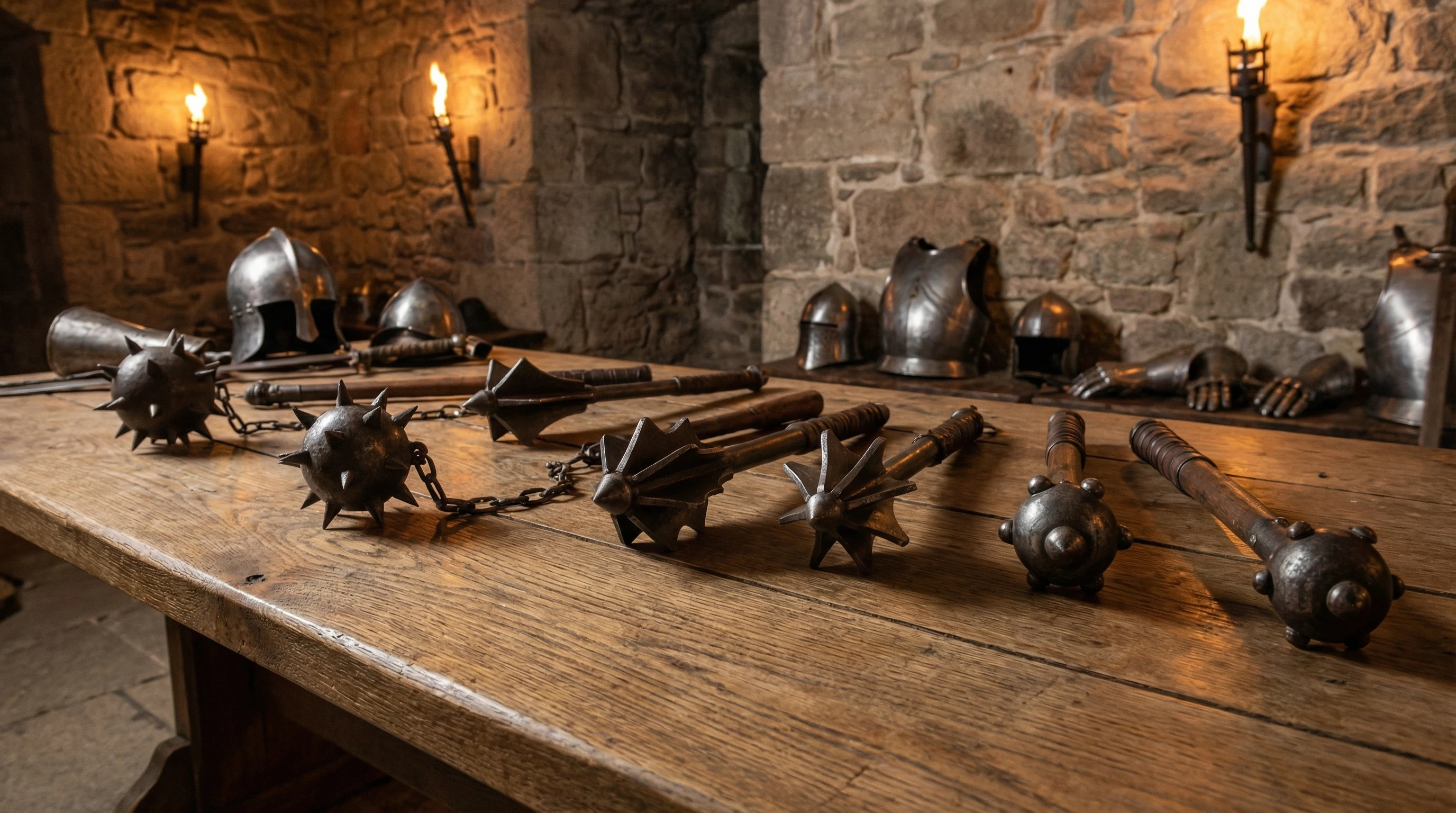
Before jumping into the weapons, a quick look at why these tools were so popular. Armor was getting better and swords couldn’t always cut through it. Maces and morningstars, with all their weight and sometimes spiked heads, were pretty handy at crushing and causing serious damage even through thick plate or chain mail. The design let even someone who wasn’t super strong land a blow that really made an impact.
They also had a psychological side. Imagine seeing a knight riding into battle with a massive mace or a morningstar swinging from their hand. That’s the kind of thing that kept enemies up at night. On many medieval battlefields, the presence of such weapons was often enough to make opponents think twice before getting too close. The combination of crushing force and fear factor meant that even heavily armored adversaries were not safe.
What Sets Morningstars and Maces Apart?
You’ll spot some confusion about what makes a morningstar different from a mace. Here’s how I keep them straight:
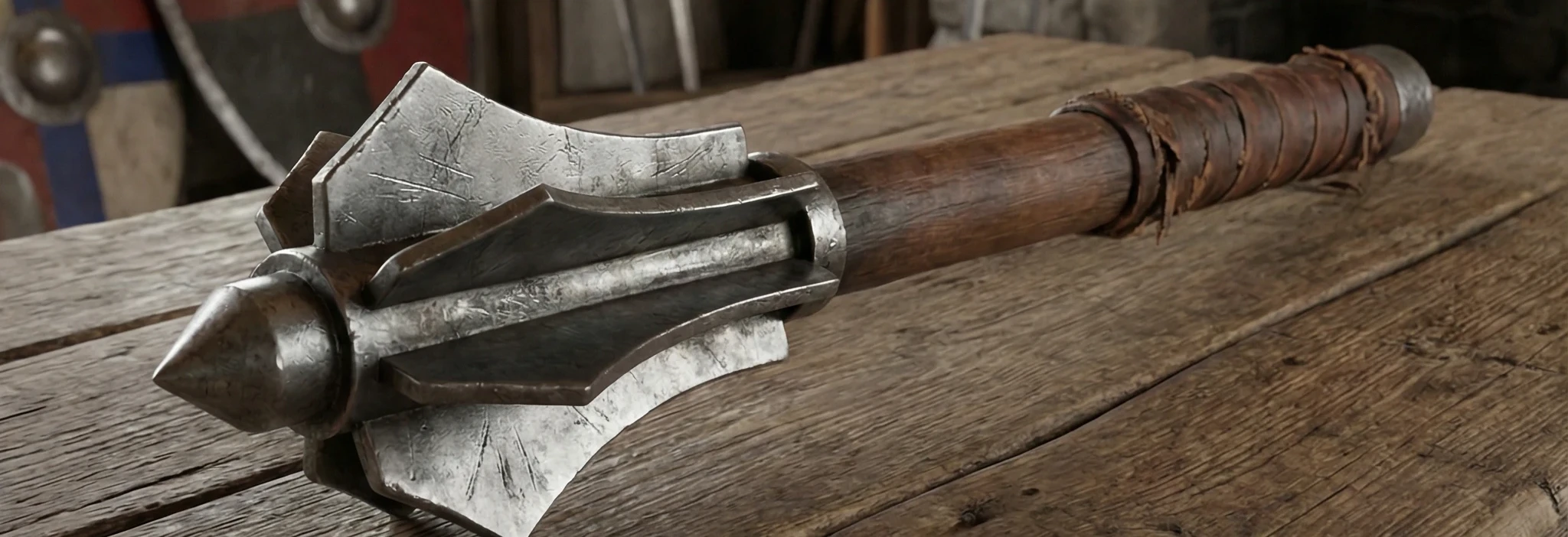
- Mace: Usually a solid metal club with a flanged or knobbed head. Sometimes simple, just a heavy lump at the end of a stick, sometimes decorated or shaped to punch through armor.
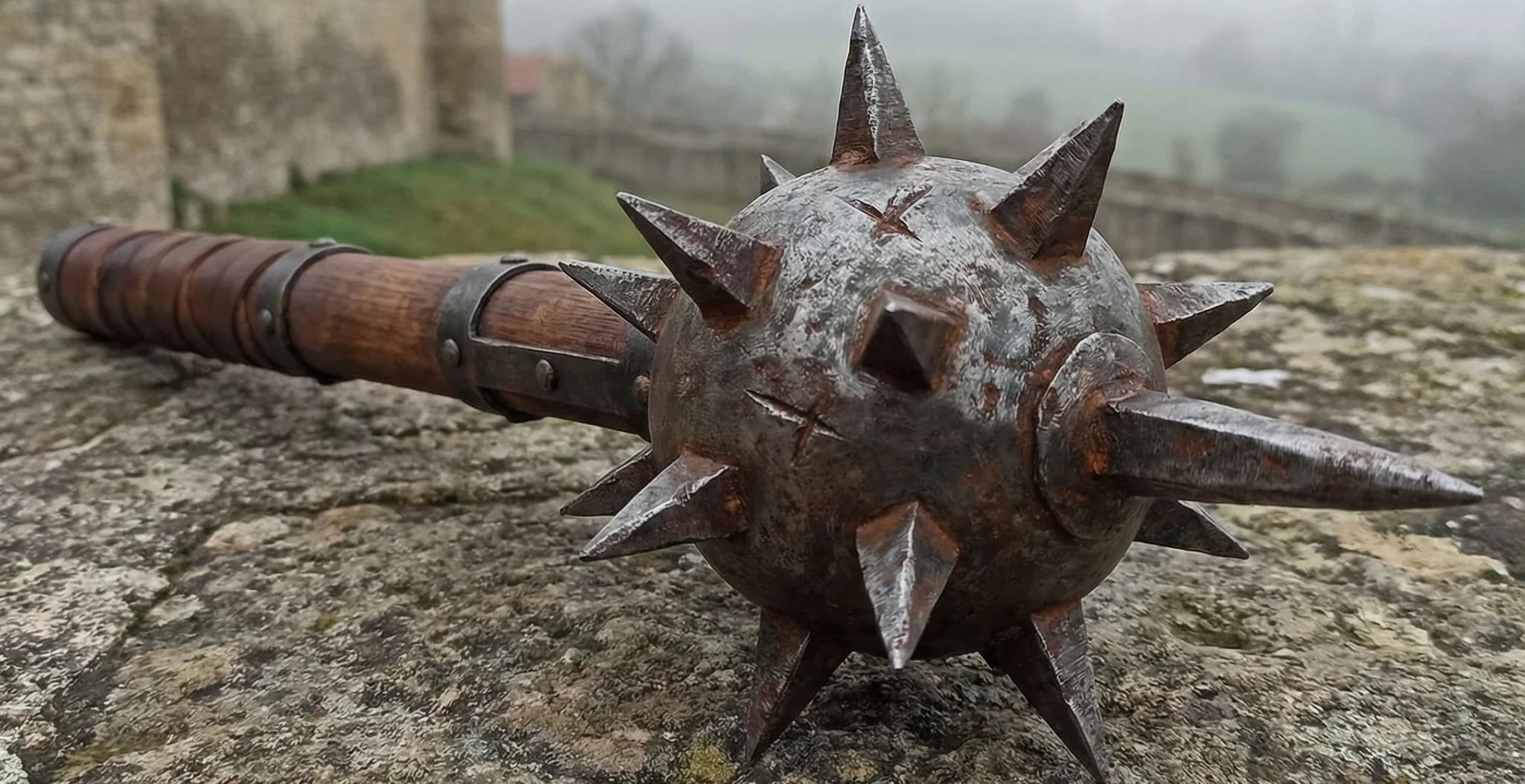
- Morningstar: Similar shape, but with spikes. These could be fixed spikes on the head, or, in rare cases, spiked balls attached to chains. The spikes gave it a seriously scary look, and could punch through more than just armor.
Both are blunt force weapons, but morningstars take intimidation up a notch with their jagged edges. In many cases, the distinction is a matter of regional tradition or specific time period, but as a rule of thumb, think of maces as maceheads designed mainly for crushing, and morningstars as adding a piercing effect for extra damage.
The 5 Most Legendary Morningstars and Maces in History
Some weapons became real legends over the centuries. Here are five that are talked about the most and why they’re worth checking out.
The Holy Water Sprinkler
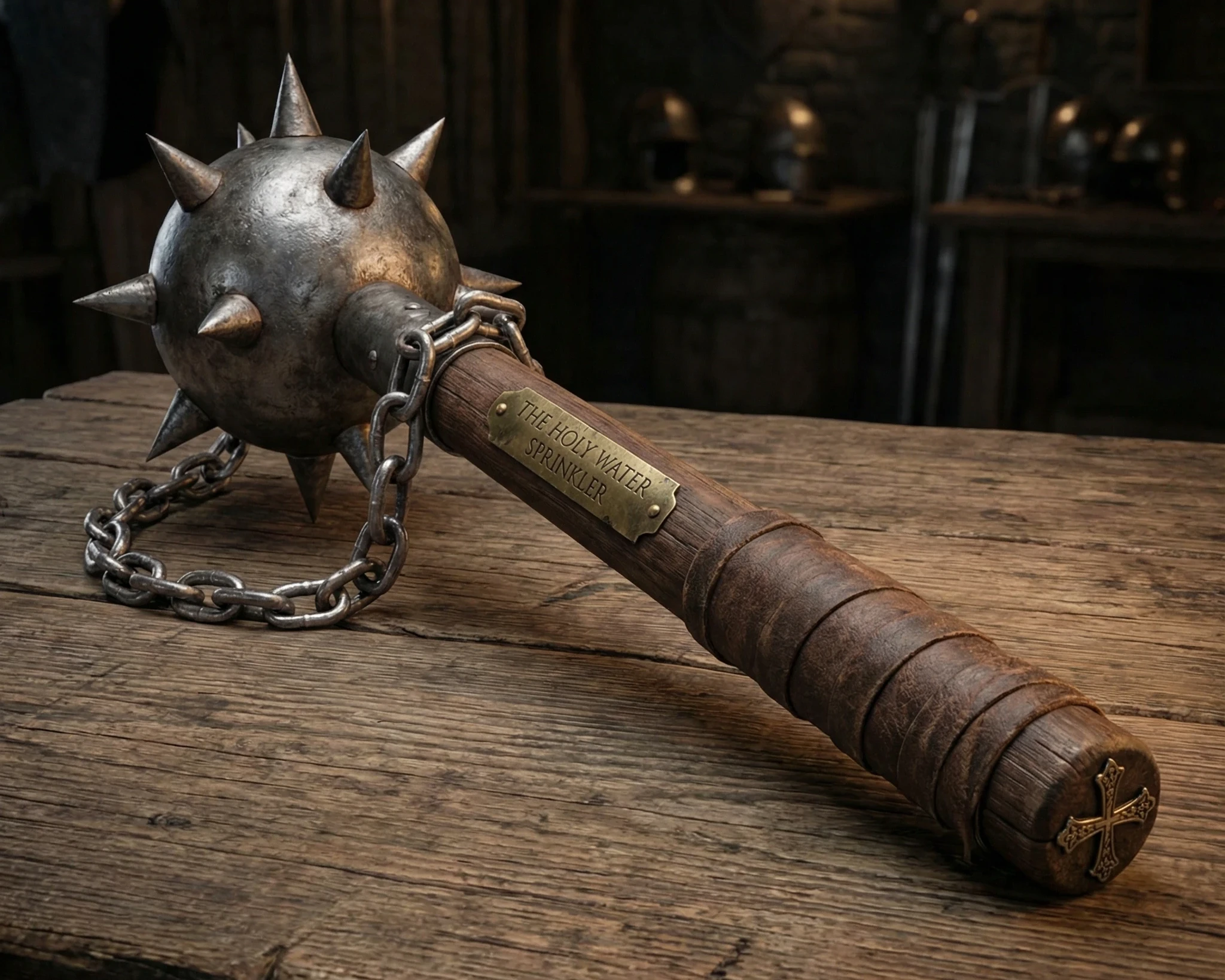
This morningstar wasn’t just famous. It was downright notorious. The Holy Water Sprinkler (also called the “Goedendag” in some regions) looked almost like a priest’s ceremonial sprinkler, but it was all about business. Used in 16th-century England and Europe, this weapon featured a heavy metal ball with nasty spikes at the end of a long wooden shaft.
It got its name from its resemblance to the tool used in church rituals, but nobody was blessed by this thing in battle. It came in different lengths, but the goal was always the same: punch through armor and take knights off their horses. Guards at the Tower of London even kept them long after their battlefield heyday, just for added security.
The Maciejowski Mace

This one makes frequent appearances in the illuminated manuscripts of the Middle Ages, especially in the Maciejowski Bible. Dating to the 13th century, it’s usually drawn as a classic flanged mace, meaning it wasn’t just a ball at the end, but a head with pronounced ridges. Those flanges were pretty effective for cracking armor.
What makes the Maciejowski mace famous to me is how often it shows up in medieval battle scenes. Knights from across Europe are shown wielding these maces, using their weight and blunt power to settle battles where swords just bounced off. The prevalence of this weapon in art and manuscripts underscores its importance and popularity during its time.
The Morgenstern (German Morningstar)

German troops in the late Middle Ages went wild for these brutal morningstars. The Morgenstern comes in a few varieties, but the most notorious version is a long pole with a heavy spiked ball at the end. Sometimes the spiked ball was attached to the handle with a chain, sometimes it was fixed.
These things were cheap and surprisingly easy to make. You’d see them in the hands of foot soldiers, mercenaries, and night watchmen. The points could be short or long, and their sheer number made them pretty effective at both smashing and piercing. Even after guns came on the scene, people kept morningstars around for security and riots. It’s that kind of lasting power that puts it on this list. Some Morgenstern were even adapted by peasant militias, using locally available materials. The intimidating look made them popular far beyond trained armies.
The Indian Gada

Gadas show up in Indian mythology, art, and actual battlefields. Their roots go deep, especially in stories about the Hindu god Hanuman, who is almost always shown carrying one. The gada is usually a long metal or wooden shaft with a solid, heavy ball at the end, sometimes plain, sometimes ornately carved.
Historical gadas could get massive, weighing several kilograms, which took real skill and strength to use. Indian wrestlers also used light versions for training. The gada’s heavy head and design made it a good answer to armored and shielded opponents. Some ceremonial gadas are still carried in temple festivals today. The symbolic power of the gada extends from ancient times into modern Indian culture, appearing in state processions and religious rituals as a sign of strength and devotion.
The Persian Akmali
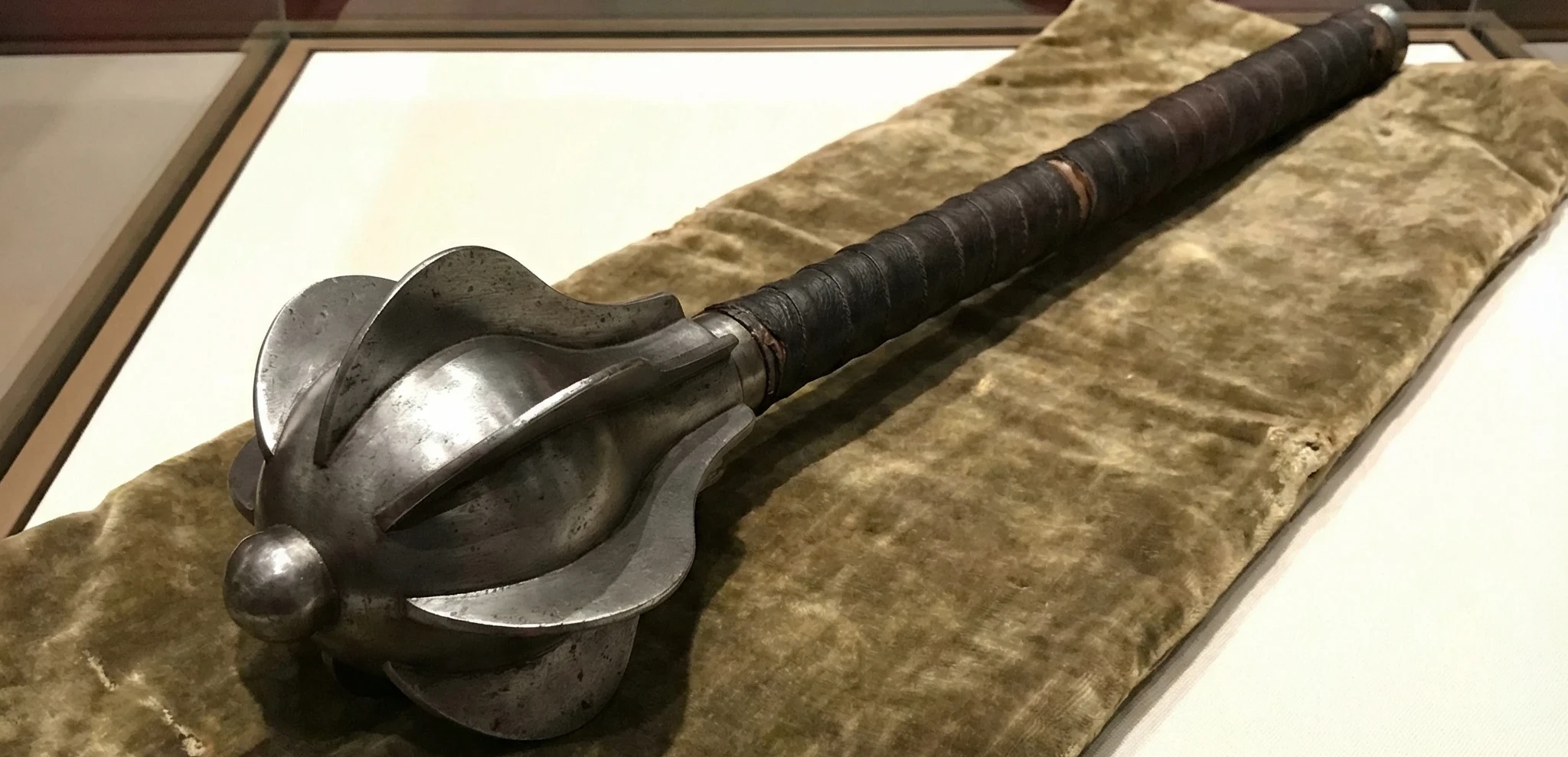
The Akmali is a lesser-known but impressive Persian mace with ornamental as well as practical uses. Think beautifully crafted metalwork, with star-shaped flanges or deeply grooved heads that doubled as works of art and dangerous battlefield tools. Persian warriors and nobility favored these maces, not just for their punch, but as a symbol of power and leadership.
Collectors and museums love the Akmali because of their intricate designs. Many are covered with inlays, calligraphy, and royal insignia. The weight distribution and balance are pretty impressive for weapons made centuries ago. Maces like the Akmali weren’t confined to the battlefield. They served as ceremonial symbols at courts and in military parades, representing authority and courage.
Practical Considerations When Using Morningstars and Maces
If you were a medieval fighter, there were a few key things to get right with these weapons. Here’s what stood out for me learning about them:
- Weight: Heavier models packed more punch but wore you out fast; lighter versions let you swing quicker and with more precision.
- Reach: Longhandled maces and morningstars kept foes at a distance, especially useful in chaotic battle lines or crowded castle corridors.
- Armor piercing: The design and spike placement made a huge difference. Flanged heads and sharp spikes really upped the odds of landing a disabling blow through armor.
Maintenance was also pretty important. Metal heads could rust or break, and wooden shafts needed to be checked for cracks. Warriors and guards who relied on these carried tools for field repairs. A broken mace midfight wasn’t much use to anyone. Fighters also had to be careful not to overextend with these weapons—the weight and balance made overcommitting easy, leaving gaps for an opponent to exploit.
Challenges and Glow Up of Blunt Weapons
While maces and morningstars were great for smashing through defenses, their reign didn’t last forever. As guns improved and armor faded out of use, soldiers started to mix it up, moving to lighter, faster sidearms. But in certain regions, especially for ceremonial or police work, maces stuck around as symbols of authority or handy close quarters tools.
The simplicity and reliability of these weapons kept them popular in places that didn’t have access to more advanced tech. Some European and Middle Eastern bodyguards still carried ornamental maces way after swords and guns became more common, partly as a sign of status and preparedness. Over time, the look and purpose of these weapons changed, but their reputation for toughness never really faded away.
Famous Mace-Users in History
- King Richard the Lionheart: There are stories (and quite a few artistic renditions) of him wielding a great ironheaded mace at the Battle of Jaffa.
- Knights Hospitaller: Some orders, including the Hospitallers and Teutonic Knights, were big fans of the mace for fighting plate armored opponents in the Crusades.
- Persian and Indian Royalty: Sometimes shown holding ceremonial, gemencrusted maces in portraits to emphasize their kingly strength.
Common Questions About Historic Maces and Morningstars
Here are some quick answers to what people usually ask about these weapons:
Question: Did morningstars and maces require special training?
Answer: Yes, handling heavy, unbalanced weapons takes practice. Arm techniques and footwork really mattered when swinging a mace in close combat.
Question: Were morningstars only used in Europe?
Answer: Not at all. Variations showed up in the Middle East, India, and even China, each with their own tweaks in shape and decoration.
Question: Are any real historic maces or morningstars on display today?
Answer: Yes! Museums like the Tower of London and the Metropolitan Museum of Art in New York have some amazing examples you can actually see up close.
What Makes Legendary Morningstars and Maces Still Worth a Look?
I think there’s something fascinating about how these weapons have lasted both as physical objects and in our imagination. They weren’t the fanciest or most advanced, but they demanded respect and changed how battles worked for hundreds of years. Even if you’re not into medieval history, seeing one of these up close is pretty unforgettable.
Whether you’re geeking out at a museum or reading epic tales, these weapons stand out for their power, design, and the very real fear they caused. There’s a reason artists and filmmakers keep bringing them back in stories and games today. Nothing says raw force and authority quite like a mace or morningstar. The next time you stumble upon one in a story or display, take a second to picture the chaos and skill it took to wield such a weapon—and the lasting impact it made on the world’s martial history.
Great roundup of blunt weapons that often get overshadowed by swords. I liked how you explained why maces and morningstars thrived against heavy armor and weren’t just crude tools. The distinctions between maces and morningstars were clear and helpful, especially for newcomers. The Holy Water Sprinkler and Morgenstern sections really highlight the intimidation factor these weapons carried on medieval battlefields. Including non-European examples like the Indian gada and Persian akmali was a strong touch, showing how widespread and culturally significant these weapons were. I also appreciated the practical notes on weight, reach, and maintenance, which add realism beyond legend. This post balances history, function, and symbolism nicely, and it makes you understand why these brutal yet elegant weapons left a lasting impression.
This is a really cool list, but I have a ‘beginner’ question. I always assumed a sword was the best weapon for a knight, but these look way more terrifying. Why would a legendary warrior choose a spiked morningstar over a sharp blade? Does the extra weight and the spikes actually do something that a sword can’t, or was it just about looking more intimidating on the battlefield?
It wasn’t just about intimidation. With the development of plate armor, it became way more difficult for a bladed weapon to do a noticeable amount of damage on the battlefield. That’s why blunt weapons like the morningstar and the mace were created, so even though they couldn’t be penetrated, the protection that plate armor offered would have been rendered far less effective when it caught the full force of a blunt weapon.
Fascinating read! I’ve always been more drawn to swords in history, but this article does a brilliant job explaining why maces and morningstars were the real game-changers against advanced armor. The breakdown of the different designs—like the flanged mace vs. the spiked morningstar—was really clear. Including non-European examples like the Indian Gada and the beautifully crafted Persian Akmali gave the list a fantastic global perspective. It’s a great reminder that sometimes the most effective tool isn’t the sharpest, but the one that delivers brute force. Well researched and very engaging!