Orcs and goblins in fantasy worlds have a super practical approach to outfitting themselves for battle. Their armor and weapons aren’t polished or refined, but what they lack in style, they more than make up for in pure ferocity and raw intimidation. If you’ve ever wondered how these dark forces stock their arsenals, here’s a look into the gritty details.
What Kind of Weapons Do Orcs and Goblins Use?
Armament for orcs and goblins is all about getting results. Unlike the gleaming swords and ornate gear you see on human knights and elves, orcish and goblin weapons are chopped out of whatever materials they can snatch up. Metal gets scavenged, wood gets hacked down, and the end result is something brutally effective with no frills or fuss.
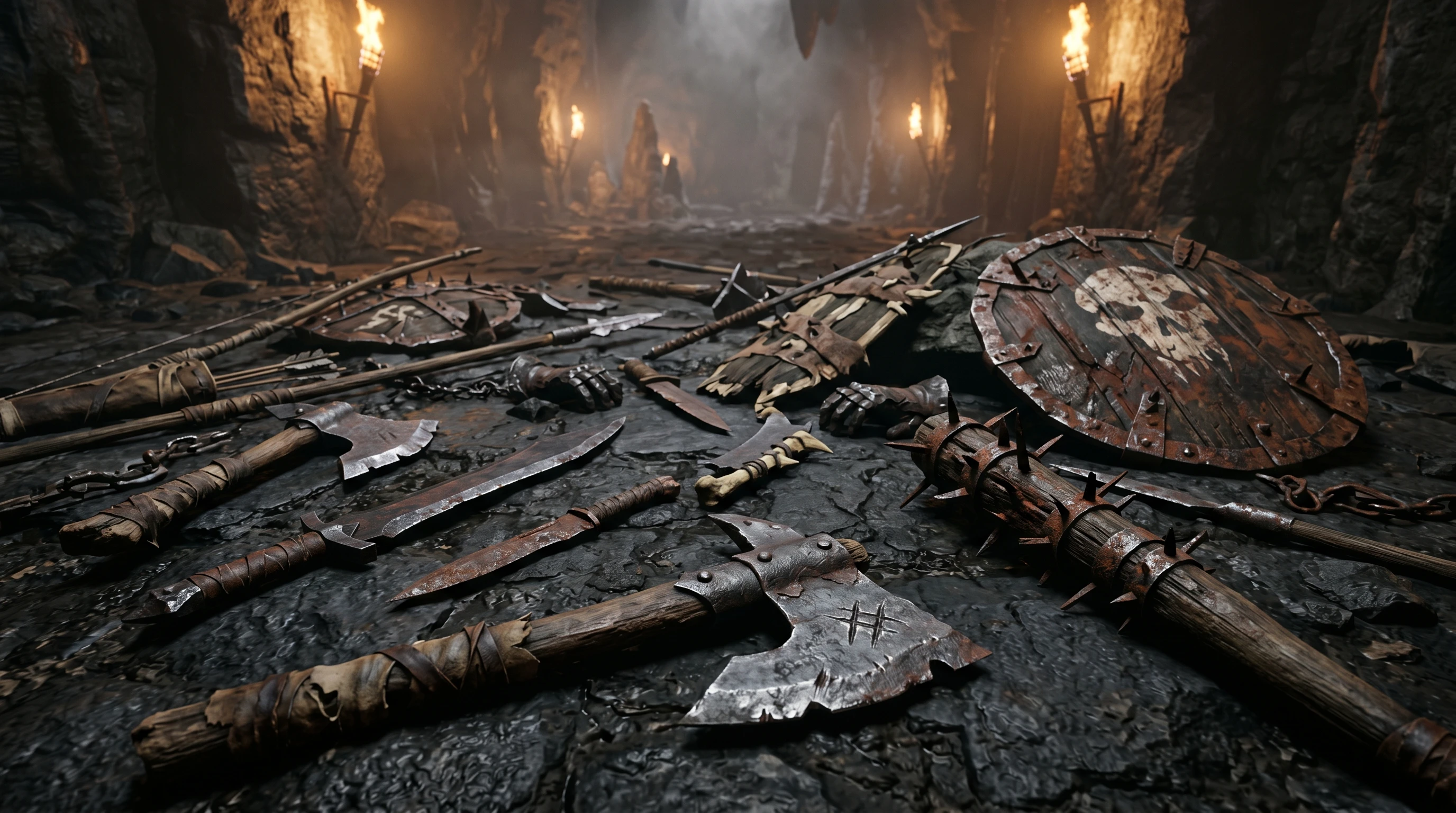
Goblins usually lean into lighter, faster weapons. Think daggers, shortswords, hooked spears, spiky slings, and anything throwable or easy to hide. Orcs, on the other hand, like their weapons big and intimidating: massive axes, spiked maces, warhammers, and heavy iron swords. Shields, if they bother with them, are chunked together from wood scraps and bits of metal. The look might be a mess, but the damage these weapons dish out can be pretty staggering.
Weapon Making: Resourceful, Not Refined
Orc and goblin smithing isn’t about beauty. Their weapons get assembled fast, using the basics: whatever metal can be looted, forced into shape, then cooled in muddy water. Some orc tribes have crude forges, but they’re more likely to bash metal over a stone and call it a day.
Goblin weapons, since they aren’t smashing through heavy armor, are specced for speed and trickery. They bend scraps of metal into blades or even graft sharp teeth and bones into spear tips. Goblins are notorious for traps too: nets, springloaded spikes, and poisonous caltrops make life miserable for anyone stumbling through their territory. If you’re curious about how these traps work, check out yoked.gaming/goblin-trap-designs for illustrations and descriptions.
Classic Orc Weapons and Why They Work
Orc weapons are all about raw power. The most common are:
- Battle Axes: These things are heavy, often doublebladed, and roughhewn from whatever iron is on hand. The trick is to chop through shields, and sometimes through the person behind it.
- Spiked Clubs and Maces: Sharp metal spikes get hammered into a wooden club, making a weapon that doubles as a brutal smashing tool and a nasty surprise for anything with armor.
- Jagged Swords (Falchion type): Wide, singleedged, often nicked with use. These swords aren’t pretty, but the weight behind each swing delivers serious devastation.
- Greatbows: In stronger orc bands, you’ll sometimes see oversized bows made for launching huge, splintery arrows.
Orcs usually don’t specialize in ranged combat, but when they do, expect volume over accuracy: lots of arrows coming at once, not precisely aimed. Orcish blacksmiths, in the rare case that a tribe has one, cobble together armorpiercing heads out of iron bits and dented shields. If you see irregular notches on the blade or weird modifications, it’s usually from quick battlefield repairs or marks of honor.
Goblin Gear: Quick, Sneaky, and Full of Surprises
Goblins, being a lot smaller and nimbler than orcs, fight clever. Their arsenal is designed for sneak attacks and fast getaways. Here’s a breakdown of what they favor:
- Daggers: Slim, lightweight, often doubleedged, these are the “bread and butter” for goblins. Easy to carry in multiples, they work great in both melee and throwing situations.
- Shortbows and Slings: Perfect for harassing from a distance. Accuracy isn’t always high on the list for goblins, but they like to shower enemies with lots of projectiles in ambushes.
- Spears and Javelins: Short, easily chucked over barriers or through gaps in armor. Spears with barbs or serrations are pretty common, increasing the pain factor if they get stuck.
- Acid Vials and Smoke Bombs: Trickier goblin tribes love lobbing nasty brews that burn through armor, blind foes, or even attract hostile wildlife. Some of these are poisonous enough to cause even orcs to hesitate.
For more on goblin creativity, the RPGfocused site dungeontechtactics.com covers how goblin clans switch up their weapon designs depending on the environment, from toxic swamps to arid badlands.
Armor: Protection for the Brutal and the Bashful
Orc armor is basic but sturdy. Scrap metal gets riveted onto thick leather, bones are sewn as extra plating, and the result is a patchwork suit that gives reliable protection at a cost to comfort. Helmets run the range from crested iron pots to intimidating skull masks, often painted with tribal symbols or gruesome trophies (think animal teeth, shredded banners, or the occasional severed ear).
Goblins, by contrast, rarely go for heavy armor. Most prefer leather jerkins, scavenged mail, or even padded cloth reinforced with small plates. The lighter the gear, the easier it is for them to scurry out of danger. They’ll sometimes wear masks for intimidation or disguise, especially if they’re planning a nighttime attack.
Challenges in Arming the Dark Forces
While orcs and goblins are inventive, they face a lot of trouble building up their armories. Quality materials are often in short supply, so they’re always scavenging battlefields and raiding enemy gear. Their smiths don’t have access to fine tools or pure metals, so everything is a bit rough around the edges.
- Poor Quality Control: Weapons are quick to make but quick to break. Orcs sometimes settle disputes by seeing whose sword survives more test swings.
- Unpredictable Gear: Goblin devices often misfire or malfunction, especially alchemical stuff. They’ll happily risk it if it means causing a panic among their enemies.
- Shortage of Armor: Orcs might skip armor to keep up their speed, while goblins use little armor at all. Replacement and repairs are a constant need after battles.
Despite all this, the sheer numbers and wild creativity of orcs and goblins help make up for the lack of conventional equipment. For a closer look at the economics of fantasy weapon creation, fantasyforgeworlds.net posts a lot of practical insights about darkarmy logistics.
Battlefield Adaptation
Orc and goblin armies learn fast. They switch things up quickly, improvising new weapons and tactics with whatever falls into their hands. Goblins who loot a new kind of crossbow might reverse engineer it, while orcs will take captured shields and hammer them into new armor. This flexibility means you’ll never see quite the same weapons twice between different warbands.
Weapon Maintenance
Maintenance happens in a hurry. Orcs usually sharpen blades using river rocks or stolen grindstones. Goblins favor acids and files for a quick edge. Since gear wears out so quickly, veteran fighters learn a bit of smithing on the side, fixing their weapons on the move. A sword with mismatched parts or a shield reinforced with old pot lids is a sign that its owner has seen some action and is probably not someone to underestimate.
For a fun look at DIY gear repair, check out the illustrated guides at monsterforge.net/repair-tactics.
Common Questions About Orc and Goblin Weapons
Here are a few things players or readers regularly ask when it comes to these iconic darkforce armaments:
Question: Are orc weapons always worse than those used by humans or elves?
Answer: Not always. Orc weapons are durable and strong, just a lot rougher in finish. While they lack finesse, the raw strength behind each swing can even the odds in a fight.
Question: Do goblin weapons have magical properties?
Answer: Most goblin weapons focus on poisons or trick mechanisms rather than outright magic. Some rare goblin shamans will enchant gear, but this isn’t as common as with elves or dark sorcerers.
Question: How do orcs and goblins keep their gear from falling apart?
Answer: They repair stuff constantly, sometimes after every fight. Training in battlefield maintenance is just part of life for a veteran warrior in these armies.
What Makes Goblin and Orc Weapons Work in Stories and Games?
The rough, homemade look of orc and goblin weapons gives any fantasy story a sense of gritty danger. These weapons tell you a lot about their wielders: brutal, resourceful, and always ready for a brawl. In RPGs and miniature games, they’re fun to collect or build, since no two orcish axes or goblin traps need to look exactly the same.
- Roleplaying: Characters can upgrade their basic weapons with looted parts or customize their gear for extra flavor. Improvised weapons also open up creative possibilities for both players and writers.
- Storytelling and World Building: The way orcs and goblins arm themselves says a ton about their cultures. Their weapons reflect their environment, values, and history in quick and memorable ways.
When it comes to fantasy combat, it’s not always the prettiest sword that wins; it’s the one wielded with ferocity, cunning, and a bit of luck. No army proves this quite like the orcs and goblins of the dark forces.
If you ever want to add that raw, scrappy energy to your own stories, games, or artwork, take inspiration from the creativity and resilience shown by these infamous fantasy fighters. Whether you’re building your next campaign, crafting new lore, or painting up miniatures, remembering the resourcefulness and stubborn survival skills of orc and goblin gear can make your world vivid and fresh. Next time you see a battered axe or a spiky club, you’ll know: there’s a whole story of grit and grit behind every dent and scratch.