Medieval swords always seem to carry a bit of magic with them. For me, learning about legendary blades isn’t just about the weapons themselves; it’s about the fascinating stories and real history behind these icons. When people think of the Middle Ages, famous swords like Excalibur or the katana often spring to mind, each attached to rulers, heroes, or epic battles. That said, understanding these swords goes much deeper than shiny steel and fancy names. The way they’re made, the legends surrounding them, and the people who used them all add layers to their stories.
The Role of Swords in Medieval Society
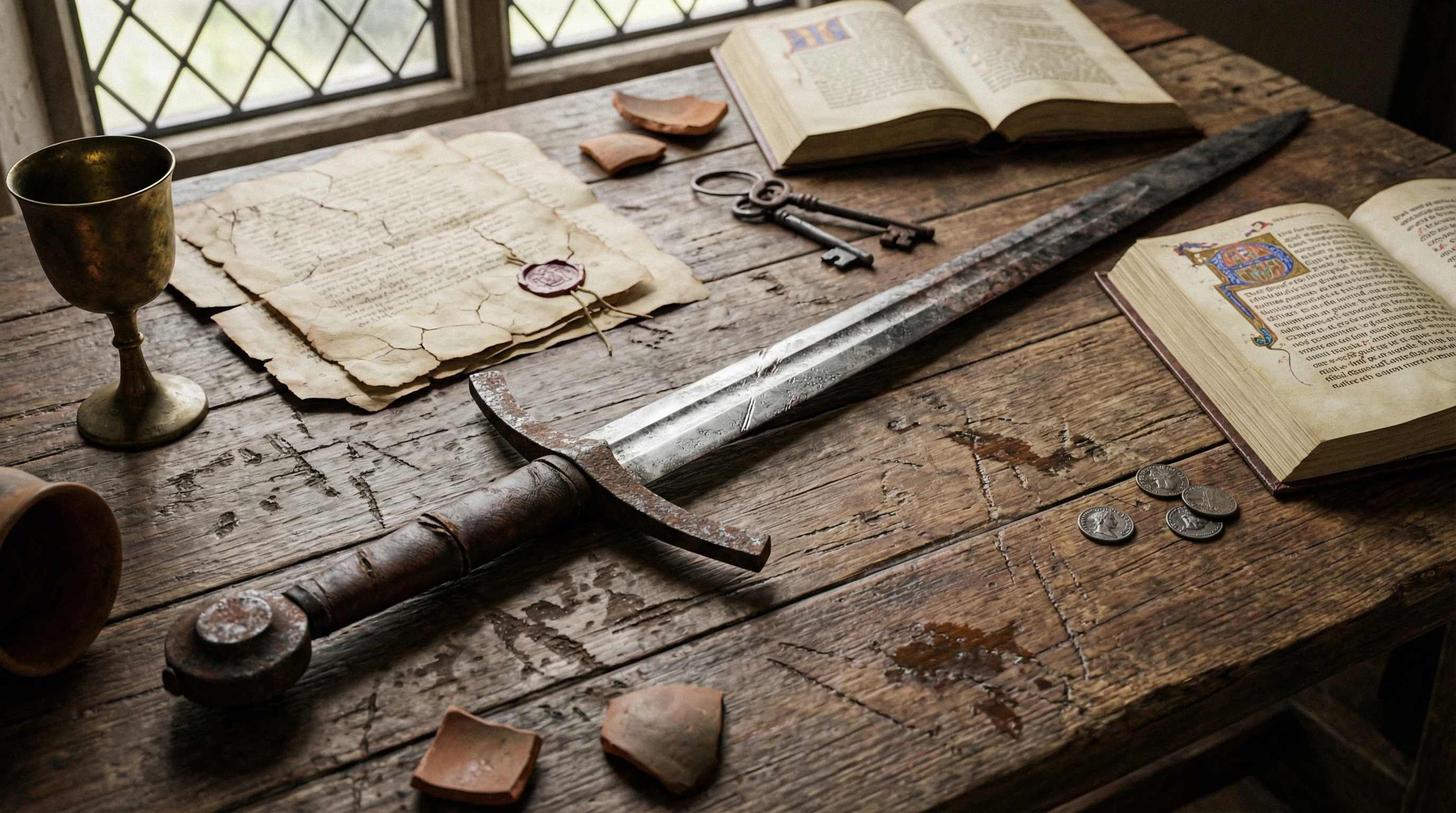
Swords weren’t just tools for survival and battle; they were symbols of status, craftsmanship, and even spirituality. In medieval Europe, owning a sword often meant you were part of the nobility or upper class, and swords usually went through elaborate processes when being forged and blessed. Many swords got their own names and stories, because people viewed them almost as living things. This attitude was shaped by the importance of duels, displays of honor, and the huge influence of religion and myth at the time.
For knights, warriors, and nobles, a sword was like a part of their identity. European knights, Japanese samurai, and legendary rulers from across the globe all had famous blades connected to them, sometimes believed to grant magical powers or protection. These stories often grew over centuries as legends mixed with real records. Swords came to embody more than just a means of defense; they encapsulated virtues like courage, honor, and the cultural values of their era. In places like medieval England, receiving a sword during a knighting ceremony was a life-changing event, a sign that the bearer had achieved true status. In Japan, the forging of a katana could last months, with swordsmiths pouring ritual dedication into every step. The pride and reverence attached to these weapons echo even today.
Famous Legendary Swords and Their Stories
All around the world, swords are tangled up with stories—some rooted in historical accounts and some in pure fantasy. I’ve found a few standout blades that keep coming up in stories and artwork.

- Excalibur: Probably the most famous sword in Western literature, Excalibur is linked to King Arthur of Britain. Some versions claim Excalibur was pulled from a stone as proof of Arthur’s right to rule, while others say it was handed to him by the mystical Lady of the Lake. Whatever the case, the sword showed up in countless poems, books, and films. Excalibur wasn’t just a weapon, but also a sign of rightful kingship and mystical power. Real places in England, such as Glastonbury, feed into the myth, with some claiming the sword or its scabbard is hidden there. The search for Excalibur has inspired adventurers and scholars alike, making it a symbol of everlasting mystery and hope.

- Joyeuse: This blade belonged to Charlemagne, the powerful king of the Franks. Joyeuse is now part of the French coronation regalia in the Louvre, and its name means “joyful.” According to legend, Joyeuse could shine as brightly as the sun and change color, making it a symbol of divine favor for Charlemagne. It even features in old chansons de geste—epic medieval poems about knights and heroes. Beyond legends, the sword’s ornate design and historical presence during French royal coronations show its importance through the ages.
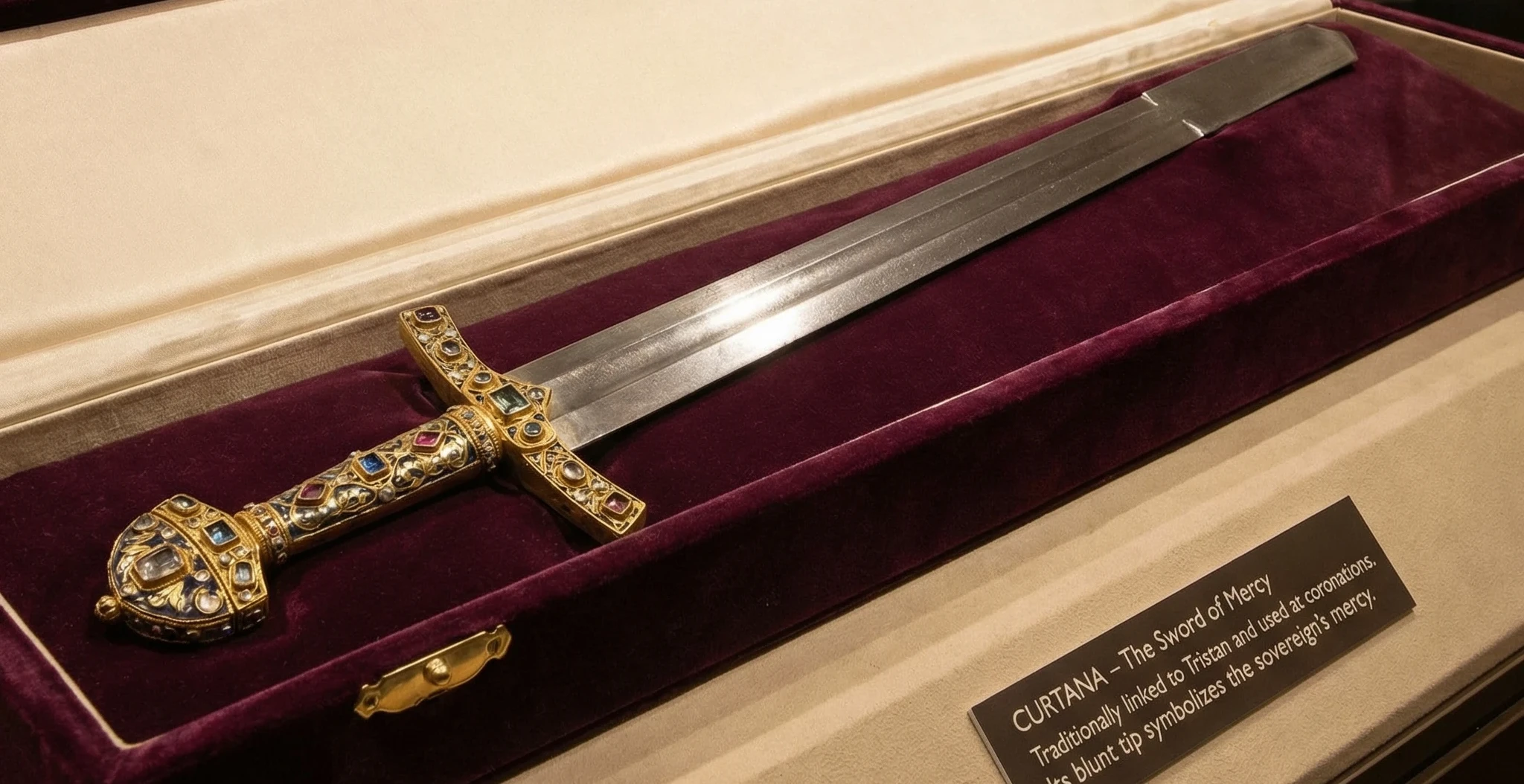
- Curtana: Known as the “Sword of Mercy,” Curtana was used at coronations of British monarchs. Its blunt tip symbolizes mercy and justice. The original owner was said to be Tristan from Arthurian legend, and the sword’s story evolved with every new monarch who held it. Curtana is also part of the Crown Jewels today. Ceremony and tradition make Curtana more than just a relic; it becomes a living part of British heritage.
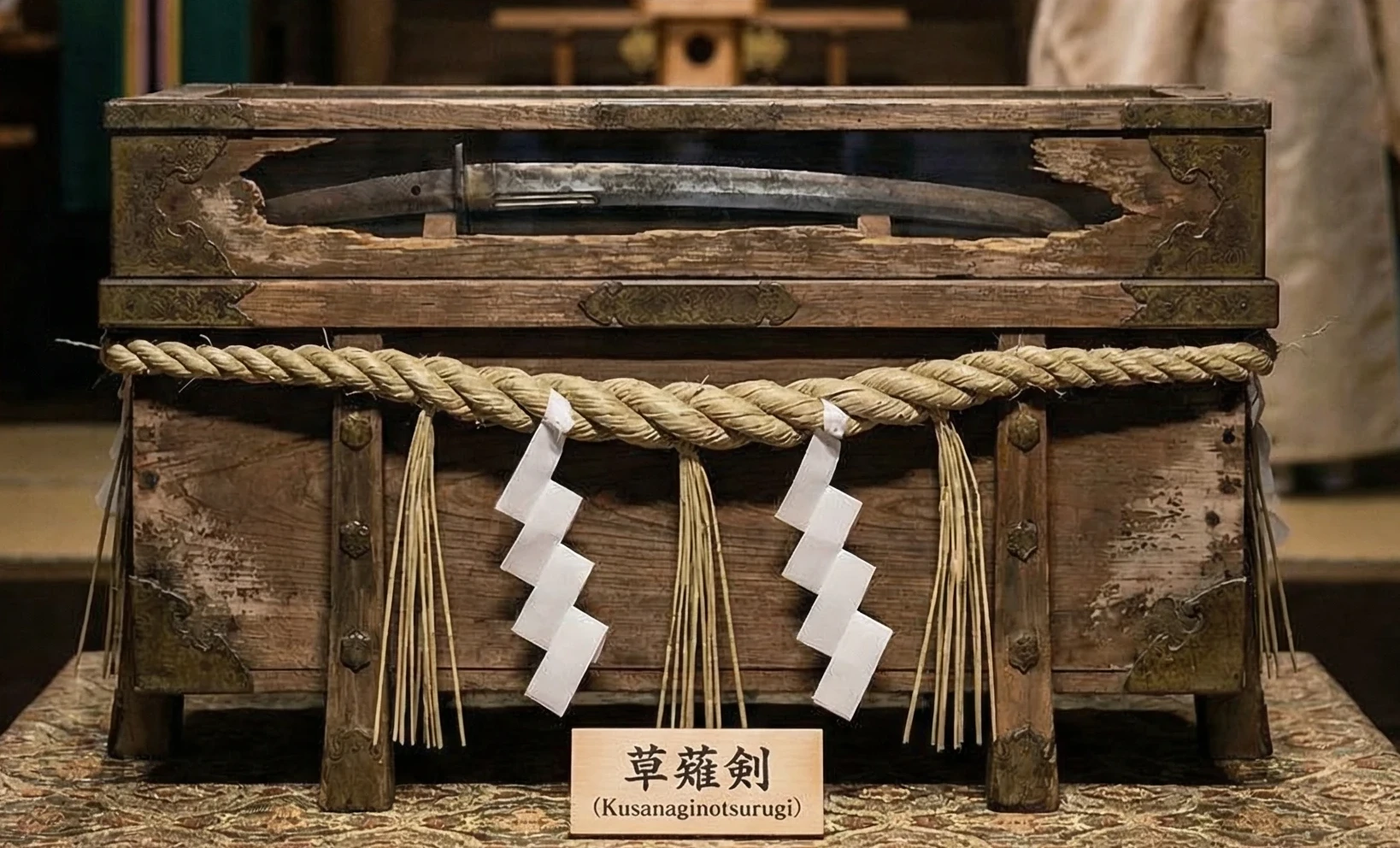
- Kusanaginotsurugi: One of Japan’s three Imperial Regalia, this sword’s legend tells how it was found inside the body of an eight-headed dragon slain by the god Susanoo. It represents valor and is still ceremonially used during enthronements, though its actual existence remains heavily guarded. Stories about Kusanagi have merged with real royal history for over a millennium. The secrecy and mystique surrounding Kusanagi continue to spark the imagination.
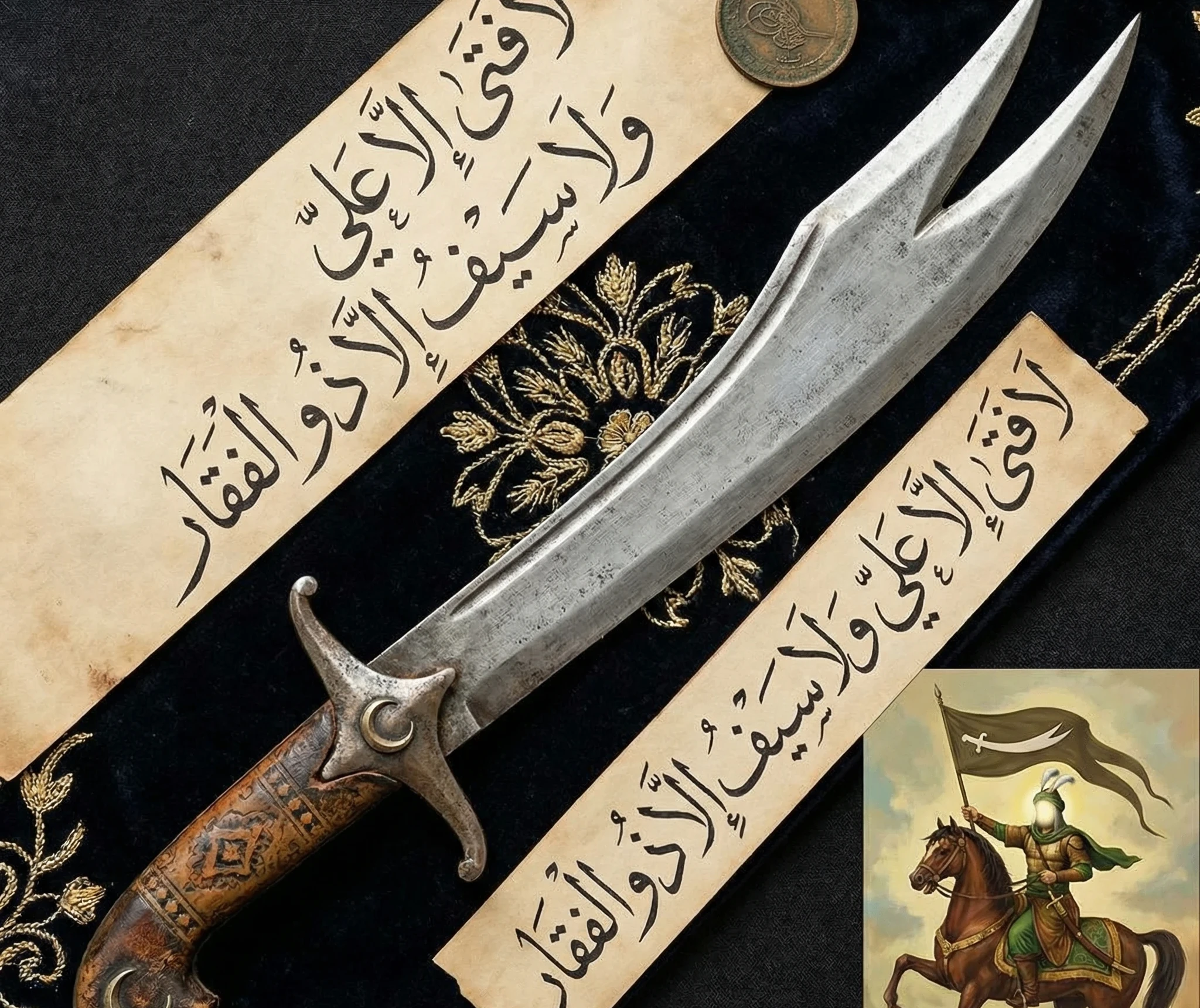
- Zulfiqar: This sword is closely tied with Ali, the cousin and son-in-law of the Prophet Muhammad. Zulfiqar is celebrated in Islamic culture, often described with the phrase, “There is no sword but Zulfiqar, and no hero but Ali.” Its description as a double-pointed blade has inspired symbolism and art throughout the Middle East. On banners, coins, and in tales passed down, Zulfiqar stands as a sign of strength and justice.
What Makes Medieval Swords Stand Out
The techniques and designs behind medieval swords have a big impact on how they are remembered. Swordsmiths in Europe, Asia, and the Middle East experimented with different methods to produce blades that could last, cut, and even flex without breaking. Some key terms that come up when people talk medieval swords:
- Damascus Steel: Known for its distinctive wavy patterns and toughness, swords made from Damascus steel became legendary in the Middle East and even caught the attention of European crusaders. Many believed these blades could slice through other swords. Tracing the original recipe for real Damascus steel remains a puzzle for historians and smiths even today, adding to its mystique.
- Pattern Welding: Early European smiths developed pattern welding to create strong, attractive swords by fusing layers of iron and steel. This gave blades unique visual patterns and improved durability, making them prized possessions and works of art as much as weapons.
- Katana: The Japanese katana isn’t just a famous sword, but also a symbol of skilled swordmaking. Its curved, singleedged blade is crafted to combine sharpness and resilience for quick, precise strikes. The forging process is extremely nuanced, often involving folding the steel many times to achieve the perfect balance of strength and flexibility.
- Bastard Sword or HandandaHalf Sword: Used in late medieval Europe, this versatile weapon could be wielded with one or two hands, making it a favorite of knights and mercenaries alike. The adaptability and power of these swords gave their users an advantage on diverse battlefields.
Cool features include personalized inscriptions, crosses or other religious symbols forged into the blade, and sometimes even relics hidden in the pommel. Examining swords up close at museums, or even seeing modern replicas, really helps bring these stories to life for any history enthusiast. The sheer artistry of the etchings, carvings, and balanced designs turns each sword into a unique fingerprint of its maker and owner.
Aside from design, the importance of maintenance cannot be understated. Medieval warriors would spend significant time sharpening, cleaning, and oiling their blades, knowing a wellcared sword could mean the difference between life and death. Even today, collectors and martial artists keep these traditions alive, always looking for ways to preserve original pieces and techniques.
How Swords Shaped War and Culture
Swords influenced almost every part of medieval culture, from battle tactics to ceremonies. In war, the design of a sword could tip the scale in a fight. Knights on horseback needed different weapons than foot soldiers, and certain regions developed totally unique styles based on local resources and threats. Sword fighting itself evolved into complex martial arts, such as the European longsword schools or Japanese schools of kenjutsu. Each culture developed moves, fighting manuals, and even philosophical outlooks linked to their swords.
Outside battle, swords turned up in royal ceremonies, comingofage rituals, and even in treaties. It was normal for swords to be passed down through generations as family heirlooms. Some swords are even believed to be buried with their owners to accompany them into the afterlife, highlighting how important these blades were beyond simple combat. They found their way into songs, poems, and stories told around countless firesides. Swords became art objects and political tools, shaping everything from family pride to national identity. Collectors, historians, and reenactors today keep these traditions alive, recreating historical fencing schools and displaying replicas in homes and exhibitions.
The ongoing interest in medieval sword fighting has even sparked international tournaments and collaborations, with fans and experts joining forces to revive ancient skills. Books and films continue to shine a light on how swords served as more than just practical weapons—they were reflections of entire societies.
Common Questions About Medieval Swords
Jumping into the world of medieval swords always seems to spark a bunch of questions. Here’s my take on the most common ones:
Question: Were legendary swords like Excalibur real?
Answer: Most legendary swords are tied to real places and sometimes even real people, but the magical abilities attached to them are part of legend and folklore. Some historical swords, such as Joyeuse or Kusanagi, have real artifacts that inspired stories.
Question: How did people make swords in the Middle Ages?
Answer: Swordmaking involved heating iron or steel, hammering it into shape, and careful cooling (quenching) to toughen the blade. Some swordsmiths used special techniques like pattern welding or folding to increase strength. Master smiths would often sign their work or add emblems, making each sword both a tool and a piece of art.
Question: What role did swords play compared to other medieval weapons?
Answer: Swords symbolized status and skill; unlike bows or spears, they were expensive to make. Knights and nobles often preferred swords, but on battlefields, polearms and ranged weapons also played a big role. In some regions, the arrival of new weapons like crossbows and early firearms started to change battlefield tactics, but the sword’s prestige stayed strong.
Question: Can you see famous swords today?
Answer: Museums across the world display medieval swords. The British Museum, Louvre, and many castles or armories have impressive collections. Some legendary swords, such as Kusanaginotsurugi, remain hidden or are only seen in rare ceremonies. For those curious about craftsmanship and history, visiting these collections is both educational and inspiring.
Why Medieval Swords Still Matter
Famous swords connect us to the people and stories that shaped history. Whether you’re checking out sword displays in museums, reading up on legends, or watching a good fantasy movie, there’s always something new to track down in the world of medieval blades. The craftsmanship, stories, and real battles tied to these swords help paint a more complete picture of the Middle Ages, a time when legends, art, and daily life were all wrapped up in steel and stories.
Keeping up with books, museums, and even hands-on workshops helps deepen what you know about these legendary weapons. If you get a chance, checking out real or replica swords in person is pretty eye-catching. Every nick and mark hints at a story, whether it’s fact, myth, or a bit of both. Modern swordsmiths continue to put their own spin on ancient designs, giving a boost to the craft and inspiring new generations to appreciate the art and history behind these iconic blades.