Medieval blades from Europe and Asia have always fascinated me. They reveal history, technology, and even philosophy about warfare in the regions they hail from. If you’re a fan of swords, there’s something pretty irresistible about comparing a knight’s longsword to a Samurai’s katana or getting curious about curved sabers and straightedged arming swords. This article rounds up the key differences, shares what really makes each blade style unique, and gets into what you should know if you’re thinking about collecting or just geeking out over these legendary weapons.
Why Blade Design Is So Different Across Cultures
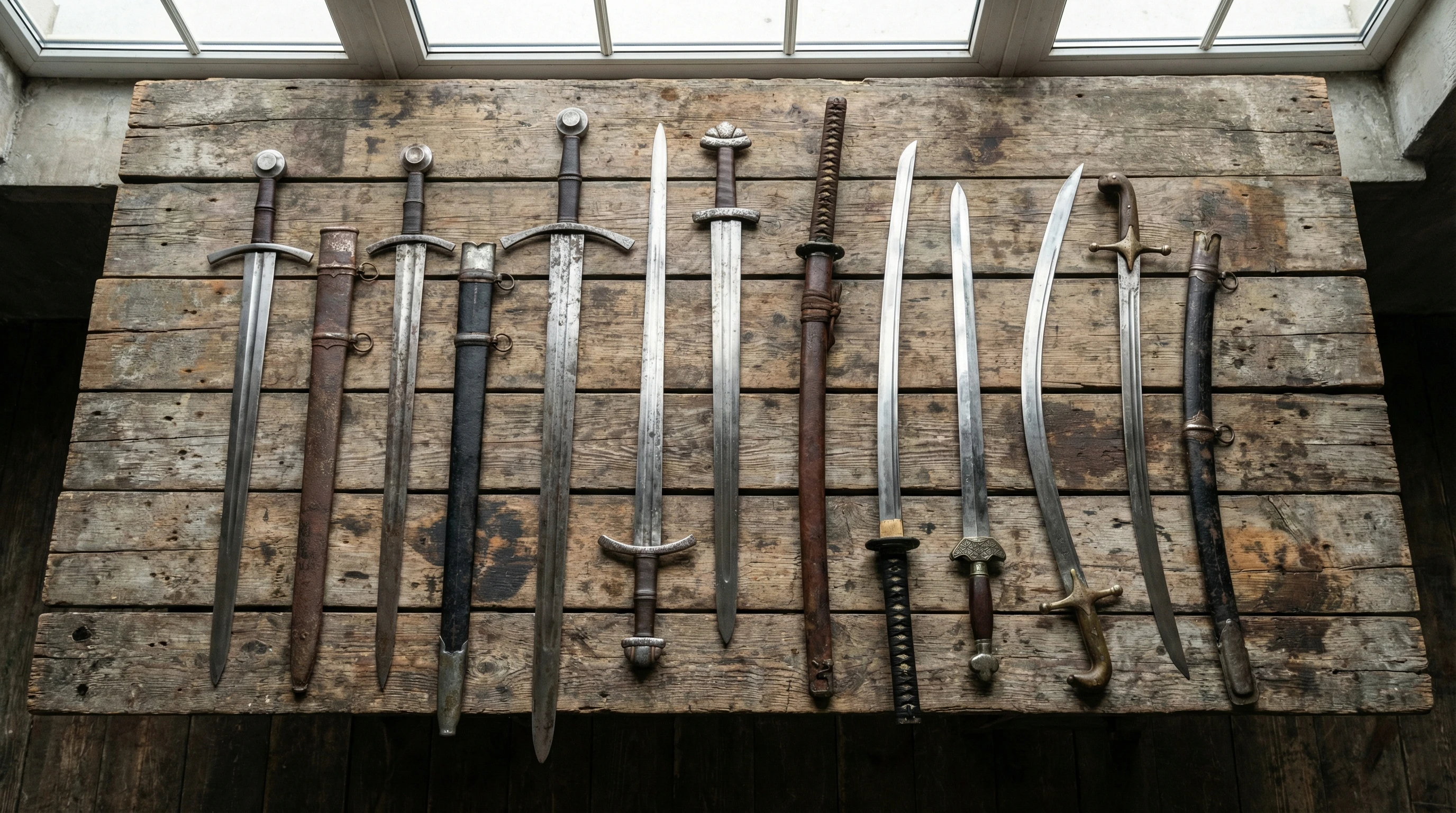
Europe and Asia have seriously different geographies, battlefields, cultural traditions, and available materials. Those things really shaped how their famous swords developed. In Europe, you’ll find a big focus on heavy armor and battlefield clashes, which led to heavier, more robust swords. Asian blades, especially in feudal Japan and China, were built for fast attacks, lighter armor, and unique fighting techniques.
Climate and resources played a part too. European smiths had lots of iron and some access to steel, while Asian smiths (especially in Japan) had to get creative with limited raw materials. This is why their forging techniques are so respected, and why some Asian swords have that nextlevel cool wavy hamon line from differential hardening.
The differences show how technology and society pushed sword shapes and uses in distinct directions, resulting in a wide variety of forms—from wide European broadswords to slender, curved Japanese katanas.
Getting to Know Classic European Medieval Blades
European swords weren’t all broad, heavy battle weapons. There’s actually a pretty wide range of designs, but a few types stand out if you want to get a clear picture:

- Arming Sword: This onehanded, straight bladed sword was the go-to for knights in the earlier Middle Ages. It’s reasonably lightweight, usually double-edged, and good for both slashing and thrusting.
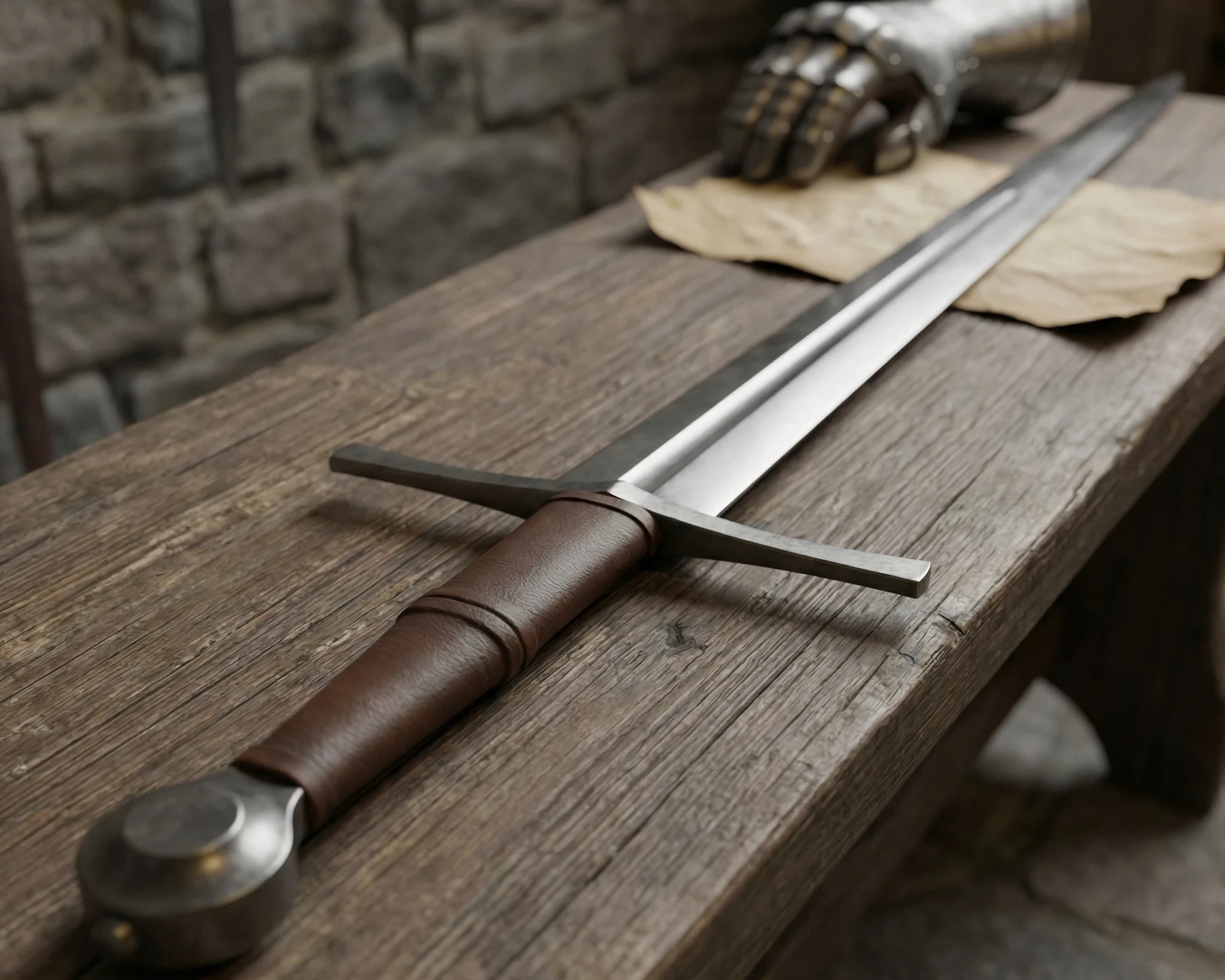
- Longsword: By the late Middle Ages, the longsword became the main sword for experienced fighters. It has a longer grip for two hands, a double-edged blade, and is known for its reach and power. Very practical against heavier armor.

- Falchion: These swords have a single edged, slightly curved blade. Inspired by farmlike tools, and used for chopping, the falchion wasn’t as famous as the longsword but highly effective in close combat.
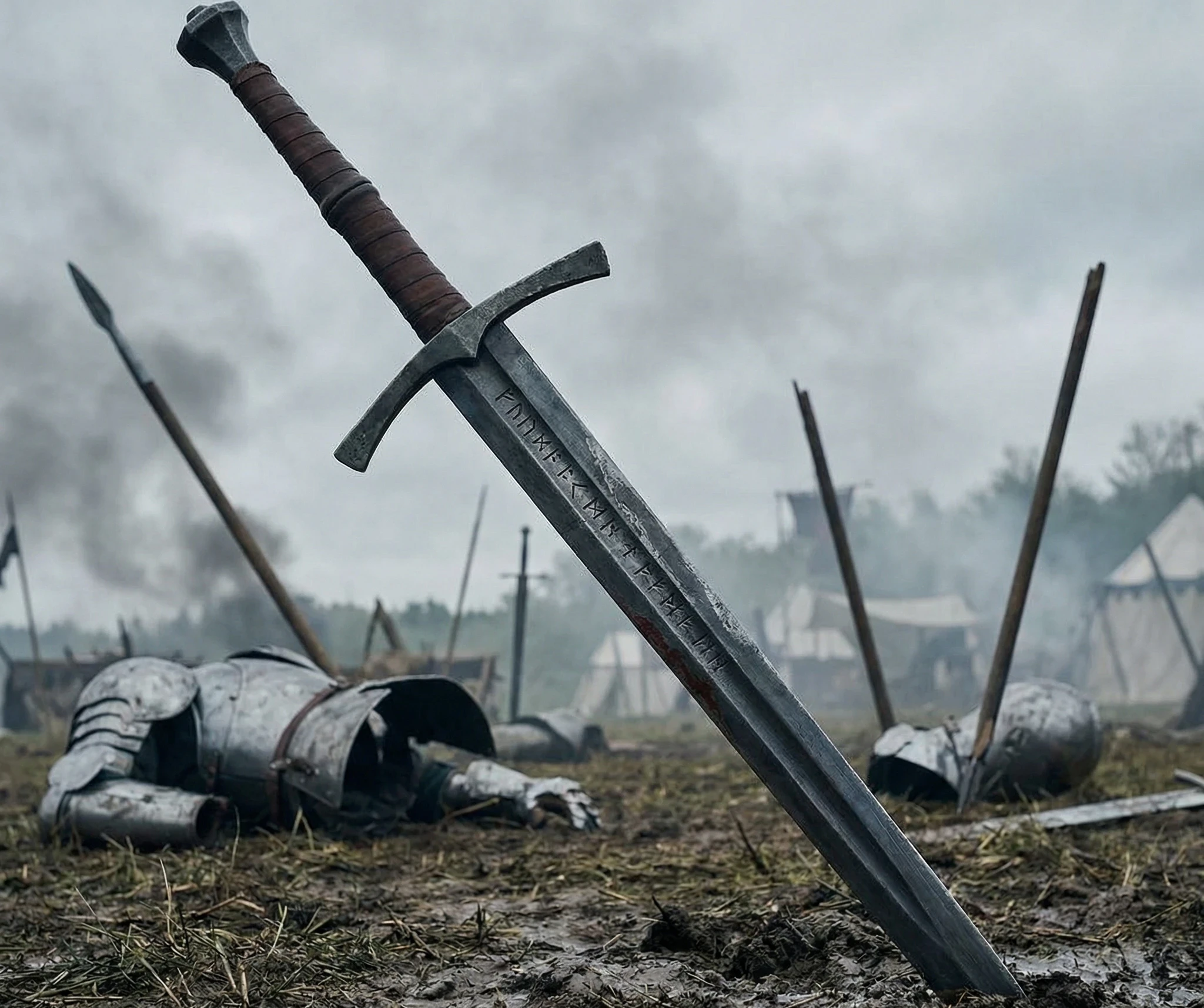
- Greatsword/Claymore: Giant twohanded swords mostly used by mercenaries and elite fighters. They’re intimidating and slower than others, but good for breaking through armor or pikes on the battlefield.
European blades often included a crossguard, and some had fuller grooves (grooves running down part of the blade) to make them lighter without losing strength. Balance and durability were a big deal. A lot of surviving blades show a high level of craftsmanship, even if their design seems plain at first glance.
Highlights of Asian Medieval Swords: Japan, China, and the Steppe
Asian swordcraft is a huge, multifaceted world, but there are a few types that keep appearing in movies and history books for good reason. If you’re into Asian swords, here are some household names:
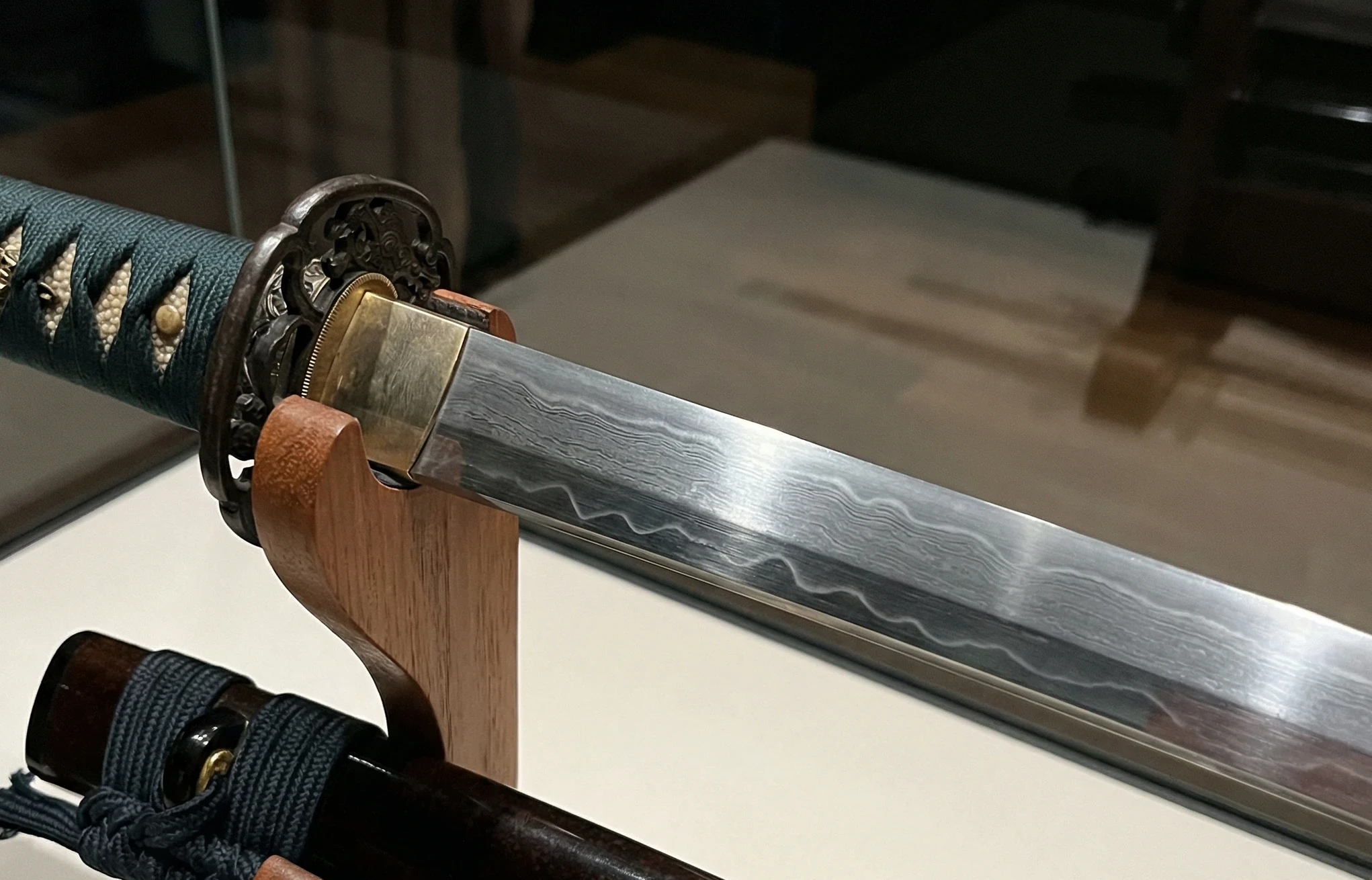
- Katana: The classic Samurai sword. It’s single edged, gently curved, and well known for its sharpness. The forging process (like folding the steel many times) gives each katana a unique look and makes it very tough. The katana was mostly for quick, precise cuts rather than smashing through armor.

- Dao: China’s most famous saber, widely used by soldiers for centuries. It’s also single edged with a pronounced curve, perfect for slashing. Many types of dao were developed for different roles in battle.
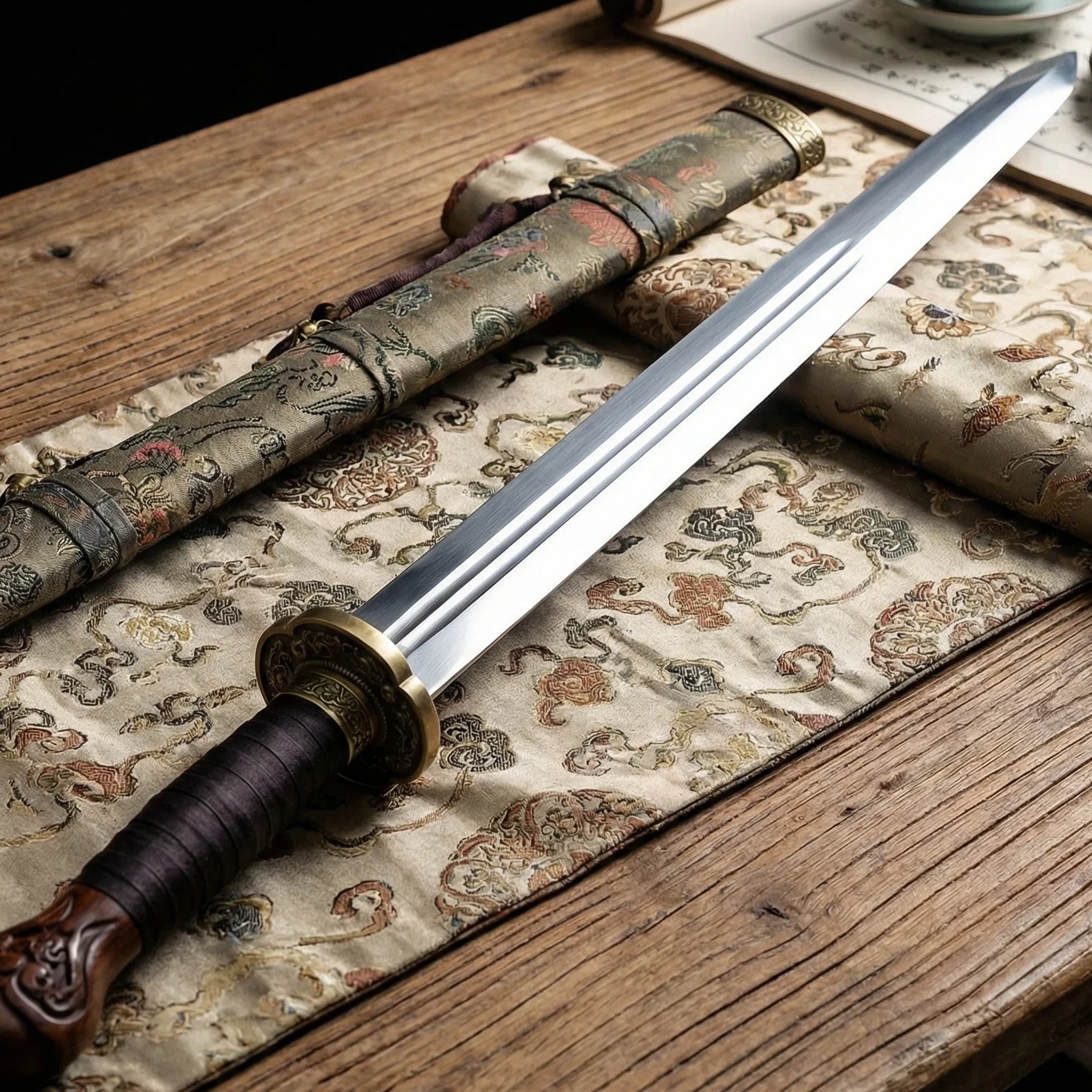
- Jian: The straight, double-edged sword from China. It’s balanced for both cutting and thrusting and is known as the “gentleman of weapons.”
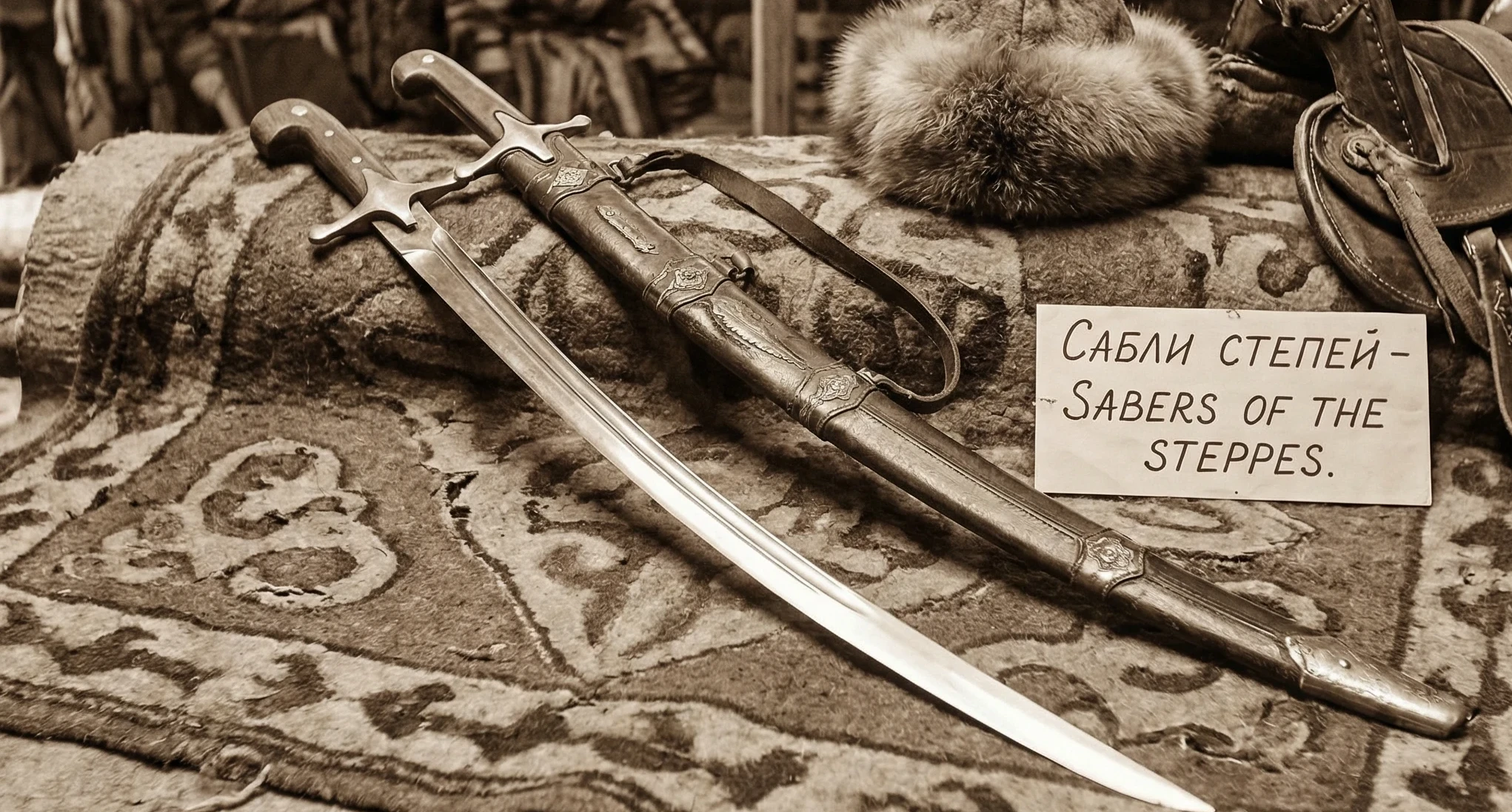
- Sabers of the Steppes: Highly curved sabers were common among nomadic horse warriors like the Mongols and Turks. That curve makes it easier to slice while riding at full speed, matching up with cavalry tactics.
Asian smiths had to play with different materials and resource limitations, creating advanced methods like differential heat treating. That gave the blades a hard, sharp edge with a flexible spine. The result? Swords that could deliver powerful cuts without shattering.
Comparing Blade Shapes, Edges, and Uses
Straight and double-edged swords were commonly carried in Europe. They were put to work for both slicing and stabbing, making them more versatile in close quarters—especially considering the heavy armor of a medieval battle. Curved swords, found mostly in Asia and later in some European cavalry sabers, focus on slicing, making them great for fast attacks and horseback combat.
Asian blades often have a thinner, harder edge and are optimized for quick, fluid movement. European swords can be heavier, sometimes blunter at the point (so you can bash up mail armor), but they’re built to survive repeated impacts. The crossguard is more typical of European designs and is super useful for protecting the hand during combat.
Forging Techniques: Old World Tech at Its Finest
The way blades were forged shapes every aspect of how they look and feel.
- European Swords: The technique often involved pattern welding (twisting bars of steel together) in early times and later used imported or locally refined steel. They heat treated their blades to balance between hardness and flexibility.
- Japanese Swords: Smiths started with tamahagane (a special steel made from iron sand) and folded it to get rid of impurities. Differential hardening—where the edge is heated and then quickly cooled, while the spine cools slower—gives the blade a famous wavy temper line known as the hamon.
Both traditions aimed for swords that wouldn’t snap easily but could keep a sharp edge. The main difference is in the level of specialization and the ritual or artistry involved. Japanese sword making is a highly ritualized art form, while European smithing leans toward practicality and efficiency.
How Armor Pushed Sword Development
Whenever I check out swords from museums or replicas, I notice this pattern: swords and armor constantly push each other to new heights. As armor got better, swords had to get tougher or more specialized to keep up.
- European Armor: As full plate armor became standard, European swords like the longsword developed sharper points for thrusting into armor gaps or longer blades for leverage. Heavier swords or “handandahalf” models became common. Some swords, like the estoc, were basically medieval crowbars for prying at armor joints.
- Asian Armor: Japanese armor was a mix of iron and leather, lighter than European plate. The katana’s design fits this, focusing on slicing through weaker spots in the armor. In China and the steppes, lighter cavalry armor led sword design toward slashing sabers and lighter, faster swords for agility and speed.
Both regions kept adjusting weapon design to match the changes in enemy defenses and new tactics, which led to the fascinating diversity in blade types we see today.
Tips Before Starting a Medieval Blade Collection
If you want to get into collecting or just want to learn about these blades, there are a few things worth knowing:
- Authenticity: Plenty of replicas look eye catching, but original pieces often have unique forging patterns, wear, or markings. Track down reputable dealers and always research the smith or region where the sword originated.
- Materials and Construction: Is it high carbon steel, or modern stainless steel? Older blades may mix iron and steel, while most new replicas are made to look great for display and be a bit more durable.
- Laws & Regulations: Many countries restrict the import or display of antique or reproduction swords. Always doublecheck local rules so you don’t get any unwanted surprises.
Blade Maintenance and Display
If you own or want to own a blade, basic upkeep goes a long way. A bit of oil keeps rust off carbon steel. Display stands come in handy, but don’t leave the blade in its scabbard for long, especially with leather, since that can trap moisture and cause rust or damage.
Going Beyond the Basics: Advanced Collecting and Martial Arts
If you’re hooked and want to take things up a notch, it’s worth looking into martial arts that teach historical sword skills. European longsword fencing (HEMA) and Japanese Kendo, Iaido, or Kenjutsu give hands-on experience. Some collectors even commission custom blades from modern smiths using traditional methods, bringing the feel of history into today’s world.
Diving into metallurgy or joining historical reenactment groups adds even more depth to your passion. These communities let you move from being simply a fan to someone who understands what makes each sword stand out—as both a tool and a piece of art. There’s also the thrill of stumbling upon unique examples and sharing restoration or collecting tips with like-minded folks.
Frequently Asked Questions
Question: Are Asian swords sharper than European swords?
Answer: Asian blades like the katana are usually known for eye catching sharpness, thanks to a harder edge and unique forging. Still, some European swords could be just as sharp. The main difference is that Asian swords often give up a little durability for cutting power, while European swords aim to balance sharpness with the ability to withstand heavy impacts.
Question: Can a katana cut through European plate armor?
Answer: It’s a popular idea, but in reality, plate armor is too tough for a katana to cut through. These swords were designed for different kinds of armor, and the plate would usually stop or slow down a katana’s edge.
Question: Why are some swords curved and others straight?
Answer: Curved blades are better for slicing, especially from horseback or in fast attacks. Straight blades are more versatile for both cutting and thrusting, making them useful for stabbing into armor gaps.
Question: Is it possible to learn real medieval swordfighting techniques today?
Answer: Absolutely! Historical European Martial Arts (HEMA) and Asian sword arts like Kendo and Kenjutsu teach historic moves and strategies, often based on surviving manuals or traditions.
Bottom Line: What Makes These Blades Memorable
European and Asian medieval blades each have qualities that reflect their culture’s spirit, battle tactics, and technical skills. Checking out their differences is more than picking a favorite; it’s about learning how people faced big challenges with skill and creativity. Whether you’re collecting, training, or just love history, there’s always something new to track down in the world of swords—these blades remain unforgettable for good reason.