Medieval swords do more than look cool in movies or museums; they pack a lot of meaning into their designs. Swords back then weren’t just weapons for knights and soldiers; they were symbols of power, faith, and personal identity. Every part of a sword, right down to the way the blade was shaped or the kind of decoration on the hilt, could have a deeper meaning. I’ll share what those details actually meant, so you can see why these swords have a place in more than just old stories.
The Function and Meaning of Swords in Medieval Society
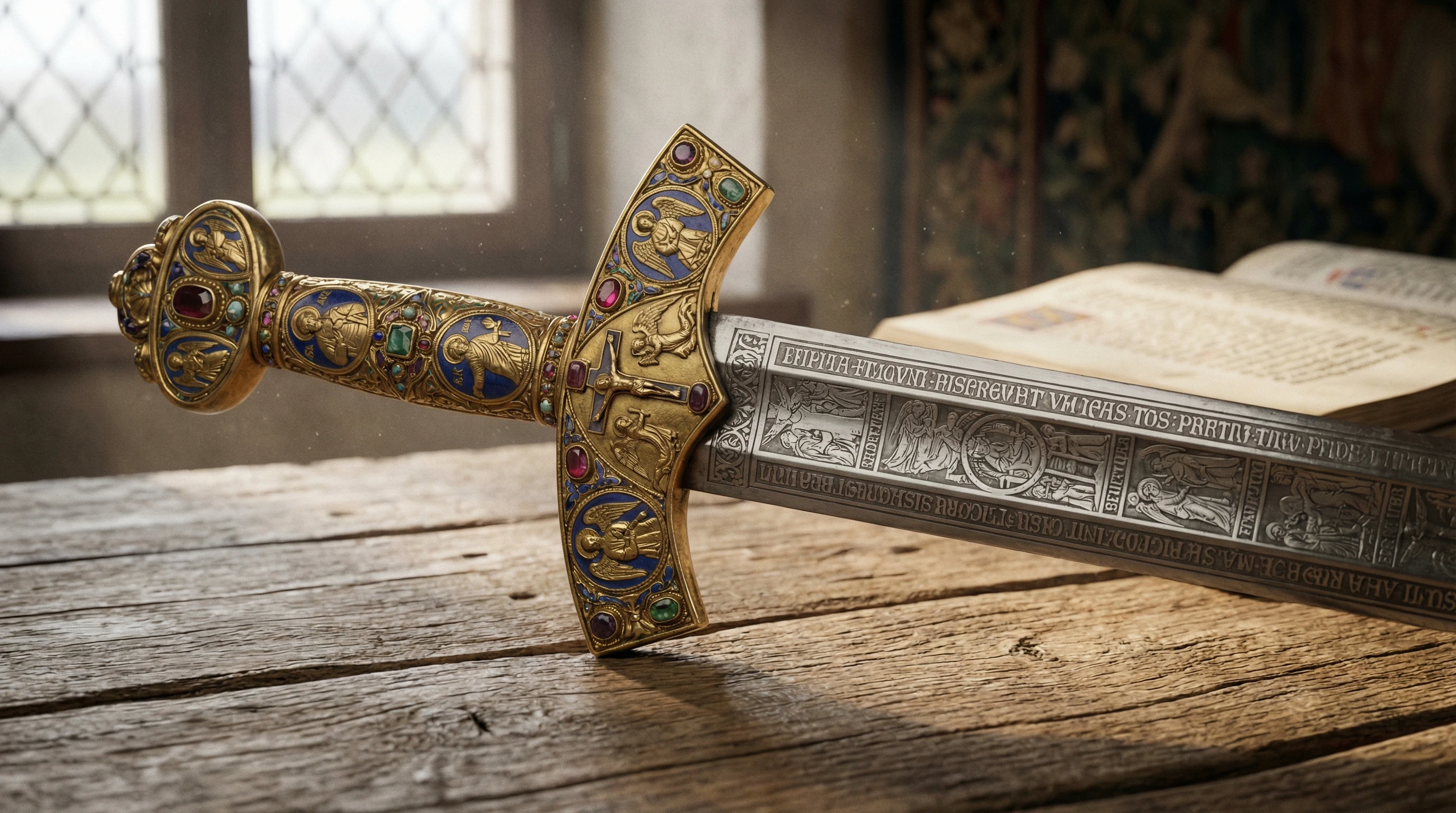
Swords weren’t just tools for fighting; they made statements about who owned them. Carrying a sword often meant you were of a certain status or profession. For nobles and knights, a sword was almost as important as their family crest. Even the church got involved in how swords were designed, with lots of them featuring crosses or religious designs worked right into the metal. Swords were sometimes even given names, treated almost like living legends in epic tales.
Owning a sword might mark someone as a warrior, but the details on a sword told people about your rank or your background. Some swords would feature family symbols, while others were decorated to show religious beliefs or achievements in battle. For a knight, the sword represented bravery, justice, and service to a higher cause, whether that was their lord or their faith.
Swords were sometimes inherited, handed down from parent to child, carrying family history along with them. This made the objects even more significant, becoming both practical tools and treasured heirlooms. Sometimes knights even had their swords blessed, believing it would bring good fortune and special protection.
Common Medieval Sword Types and Their Symbolism
European swordmaking really blossomed during the Middle Ages. Sword types varied a lot, and so did the stories they told. Here are a few big ones:
- Arming Sword: This was the classic knightly sword—a straight, double-edged blade, often with a hilt shaped like a simple cross. The cross shape reflected Christianity, reminding the owner that they fought “for God and right.” These swords could also represent a sense of responsibility or authority.
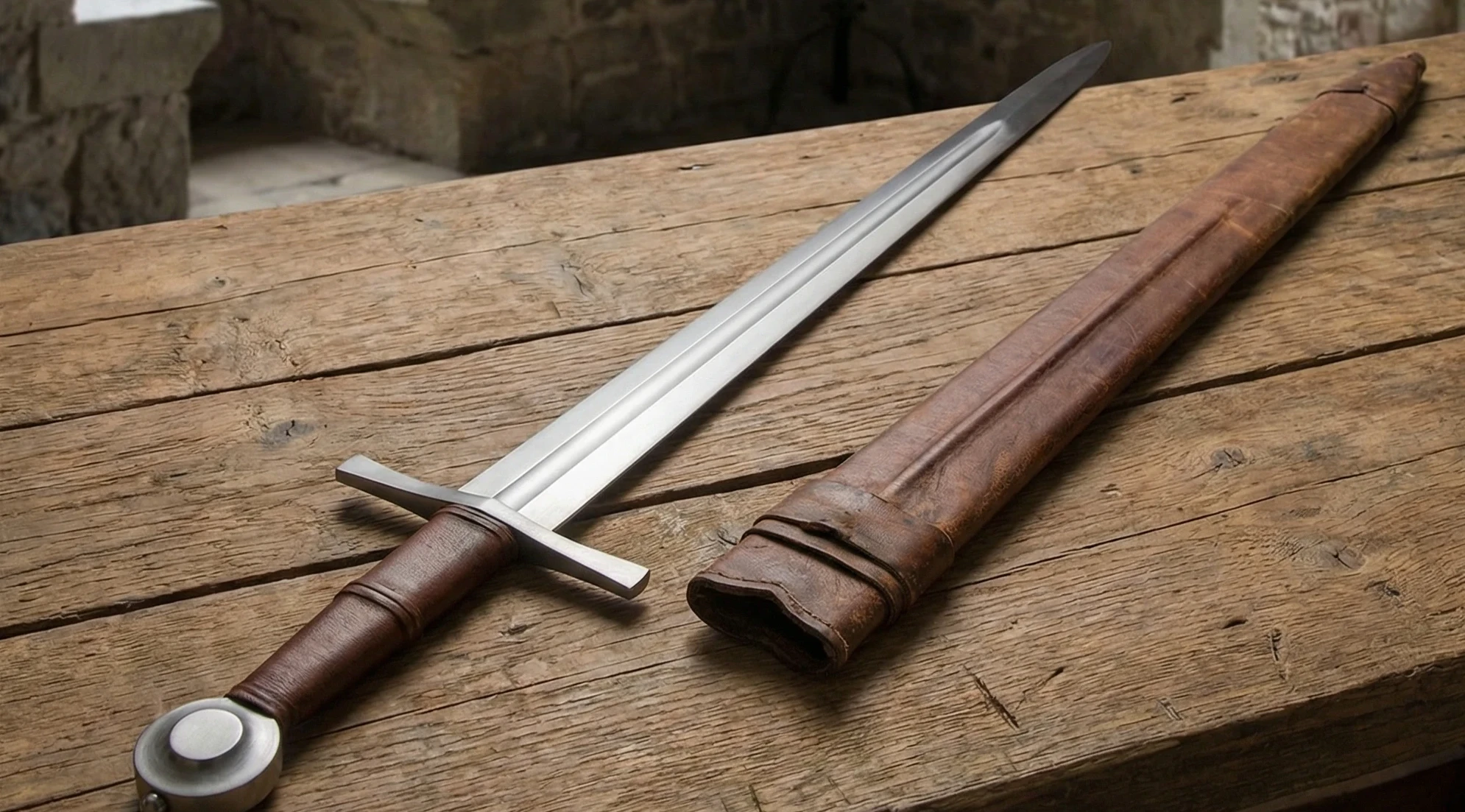
- Longsword: Known for its longer grip and blade, the longsword was sometimes used in judicial duels or as proof of noble status. They were sometimes engraved with words like “HONOR” or with intricate scenes, meant to remind users to fight honorably. These swords could be heavy, but skilled fighters prized their balance and reach.
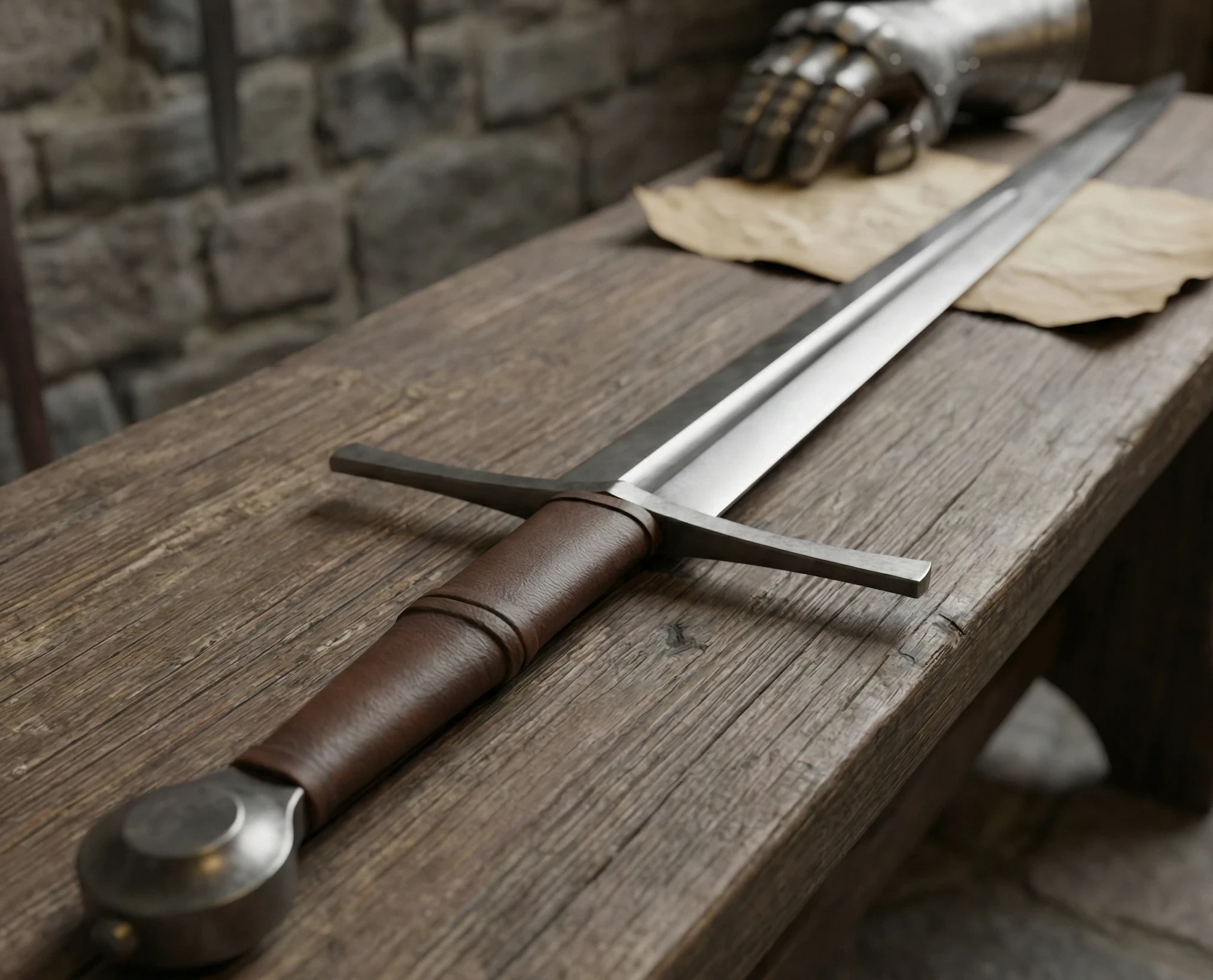
- Falchion: With its curved, single-edged blade, the falchion stood out for its connection to the common soldier. Its simple, durable design spoke more to practicality than status, but some believed the curve gave it extra strength or magic in folk tales.
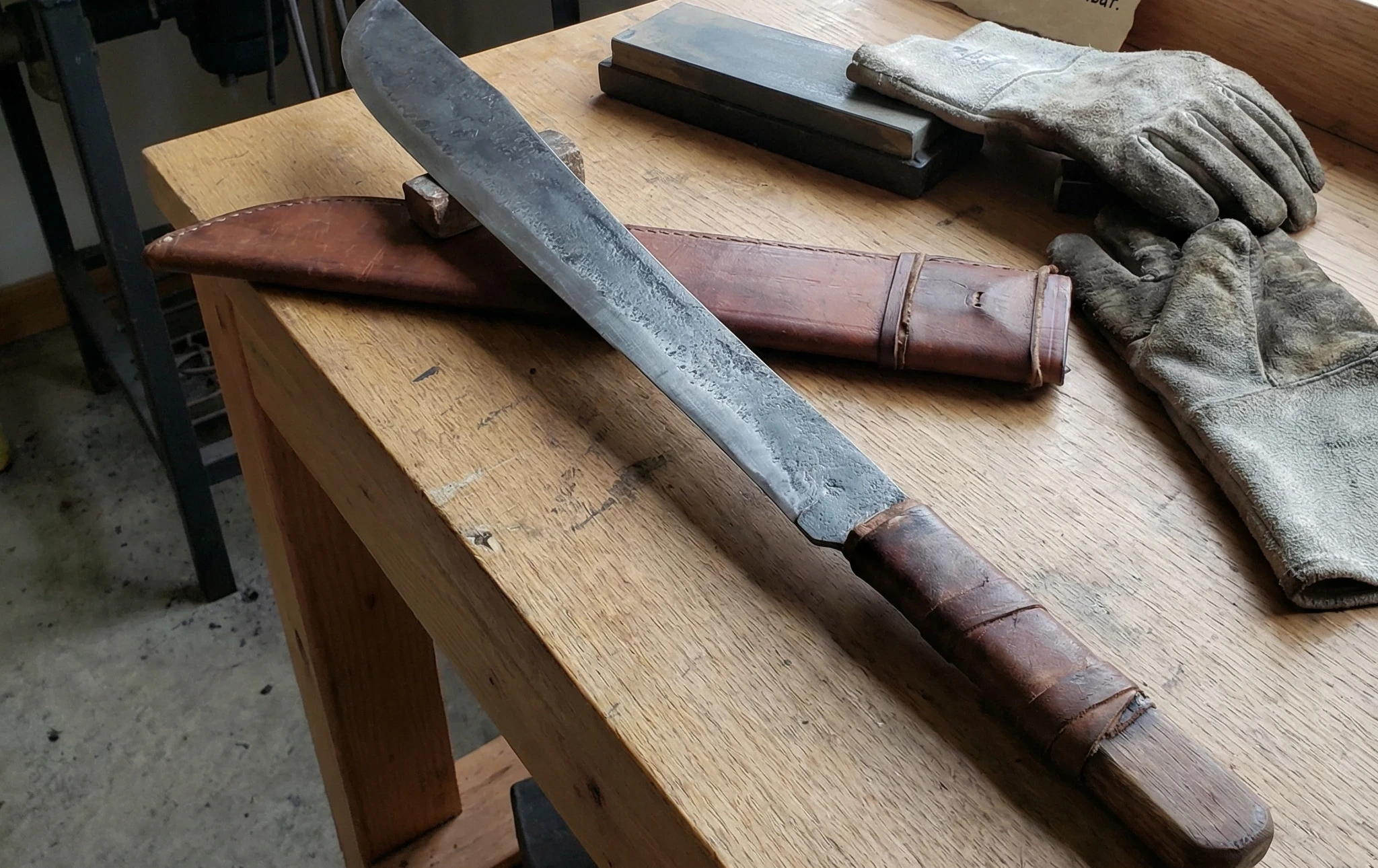
- Greatsword: These massive blades were symbols of impressive strength and were often reserved for ceremonial roles or the battlefield’s heavy hitters. Their imposing size immediately marked their wielder as a force to be reckoned with, both physically and in terms of social status.

Whether a sword was made for royalty or for a foot soldier, every detail was picked for a reason, and sometimes the style alone could show who you were, or who you wanted to be.
Symbolic Details in Sword Construction
Looking closer at medieval swords, you’ll notice that certain shapes, decorations, or metals had a message behind them. Here are some of the parts that usually held special meaning:
- Blade: The blade might have runes, crosses, or Latin phrases etched into it. Some swords were believed to be “magical,” giving luck or strength to their owners. Pattern-welded blades could show off the smith’s skill as well as offer striking looks, and were sometimes thought to make the blade stronger or luckier.
- Guard (or Crossguard): These were often shaped like crosses, but could also be decorated with animals, plants, or geometric patterns. Some folks thought these would protect the wielder in battle.
- Pommels: The end part of the sword, the pommel, was prime real estate for family crests, religious symbols, or even mini statues of saints. Knights sometimes swore oaths with their hands on the pommel, making it a symbol of truth or trust.
- Materials: Gilded hilts, jewels, or certain woods and metals could show off wealth and taste. Some metals were believed to have protective properties, and certain stones might be included to ward off evil or bring courage.
These little touches were much more than decoration; they were chosen because folks really believed they’d make a difference in life or death moments. Personalizing a sword with a blessing or a prayer was another way to tie the object even closer to the knight’s own sense of purpose.
The Influence of Religion and Myth
Christianity had a huge role in shaping sword symbolism. Many swords featured crosses built right into the handle, especially for crusaders and religious knights. Stories grew around miracle swords or blades handed down by saints. Even the process of “knighting” often included blessing the sword, making it almost holy in the eyes of the owner.
Myth and legend also played big parts. Take King Arthur’s Excalibur—its legendary status made actual swordmakers try to imitate its look, decorating swords with mystical shapes, animals, or even supposed magical runes. Sword stories painted them as keys to rightful rule, justice, or supernatural strength. Owning or even just touching a sword like this could make you feel part of something bigger.
In addition to Christian symbols, there were swords that reflected pagan myths or regional legends. For example, Viking and Celtic swords often displayed knotwork or animal forms linked to stories from their own cultures. This blending of beliefs made sword symbolism truly rich throughout the medieval world.
Important Symbolic Motifs on Swords
Medieval swords show off a variety of recurring symbols that held special meaning across Europe. Some of the most common motifs you’ll see include:
- Crosses: Seen on hilts and blades, crosses tied a sword directly to faith, reminding the owner and everyone who saw it of a higher purpose.
- Lions and Eagles: These animals popped up as a nod to bravery, nobility, or leadership. A lion might mean you fought fearlessly, while an eagle stood for sharp vision or royal favor.
- Dragons: Dragons symbolized power, strength, and even magical protection. Knights sometimes adopted dragon motifs to feel unstoppable in battle.
- Leaves or Vines: Decorative plant patterns hinted at prosperity, peace, or the “tree of life.” Some believed they brought luck or health.
- Stars and Suns: Celestial symbols sometimes appeared, meant to call on cosmic power or shine hope in dark times.
Makers would pick decorations to fit the story or wishes for the sword’s owner, making each weapon feel personal rather than generic. Heraldic symbols were especially common among wealthier owners, linking their identity to their history, land, or values.
Factors to Think About When Studying Sword Symbolism
If you’re interested in medieval swords, looking deeper into symbolism brings out whole new layers. Here are a few things I keep in mind:
- Region and Period: Swords from different periods or places had their own unique symbols. For instance, a 13th century English blade will look and mean something different from a 15th century Italian sword.
- Status and Function: The fancier the sword, the higher up the ladder its owner probably was. Ornate swords often belonged to lords or ceremonial officers, while basic, sturdy swords might just mean someone needed a reliable tool for war.
- Personalization: Many knights personalized their swords with initials, mottoes, or family pride. These personal touches could reveal values, hopes, or beliefs.
- Religious Context: Nearly everything about a crusader’s sword screams “faith,” while borderlands or Celtic weapons might show more pagan or local legend influence.
Studying these signs and designs helps make sense of how people connected their beliefs, stories, and daily lives with what they carried into battle. You can actually get a new view on medieval history by looking at what swords say about their owners.
Advanced Sword Symbolism: Secret Codes and Hidden Meanings
If you dig into rare or ceremonial swords, you’ll bump into some pretty mysterious details. Some swords hid messages only visible in the right light or had runes that not everyone could read. Alchemical symbols, hidden mottoes, or codes stitched into the metal could mean a sword was part of a secret society or that it carried a private message for its owner—sort of like early medieval “Easter eggs.” These personal codes added another layer to what the sword meant, and sometimes historians are still puzzling out what those marks say!
There are also stories of swords buried with knights that would show mystical signs or references to local folklore instead of the usual religious themes. Others would hide names or important dates right along the blade or under the grip, for the owner’s eyes only. Some swords included marks that only meaningful to the owner’s close circle, making them a private keepsake as well as a public statement.
Real-World Sword Symbolism in Museums and Media
Plenty of famous museums have medieval swords with legit stories attached. Visiting spots like The British Museum or the Metropolitan Museum of Art, you can actually see the layers of detail in person; runes, religious images, family crests, and more. Museums often include the history of whose sword it was or why certain decorations were chosen, so reading the plaques or listening to the audio guides is worth it.
- Movies and Games: Pop culture copies these sword symbols all the time. Decorated blades in movies and games often pick up on medieval details to hint at the hero’s background or magical destiny. Think of famous fictional swords—whether it’s in fantasy novels or action games—using old motifs to connect modern audiences with ancient symbolism.
- Reenactments: Folks who re-create medieval battles and ceremonies also pay close attention to authenticity, often consulting historians to get their sword decorations just right.
Symbolism makes swords more than just props; they become connection points with real (or legendary) people from history. It’s easy to get a fresh perspective on medieval society and personal identity by paying attention to sword details in these real-world contexts.
Frequently Asked Questions
Here are answers to some common questions I hear about medieval sword symbolism:
Question: Why do so many medieval swords have cross-shaped hilts?
Answer: The cross shape was a nod to Christianity, common among European swords, especially during the age of crusades when faith shaped warfare and everyday life.
Question: Did people really believe swords could be magical?
Answer: Many folks did! Charms, runes, and certain designs were thought to offer help in battle. Even kings or knights might believe their sword had special luck or power.
Question: Were sword designs standardized or completely personal?
Answer: Both, really. Some designs were standard for certain regions or ranks, but personal decoration—like initials, religious phrases, or family crests—was super common.
Final Thoughts
The medieval sword stands out as an object loaded with meaning. Sword designs served as more than battle tools; they were statements of faith, symbols of family, and even protectors in the minds of those who swung them. Next time you see a medieval sword, either at a museum or in a movie, pay attention to those small details. There’s usually a bigger story hiding right there in the steel and decoration; it’s like getting a glimpse of the beliefs, hopes, and everyday lives of centuries past.