Fantasy swords aren’t just impressive weapons in stories; they’re packed with meaning, history, and often a deep sense of wonder. Out of all the legendary blades, King Arthur’s Excalibur really stands tall, shaping how audiences view magical swords in books, movies, and games. When you look at why these swords matter, it’s pretty clear that their symbolism goes way beyond fighting. Let’s dig into the world behind those famous blades, starting with Excalibur and checking out some others that have sparked imaginations for generations.
The Influence of Excalibur: More Than Just a Sword
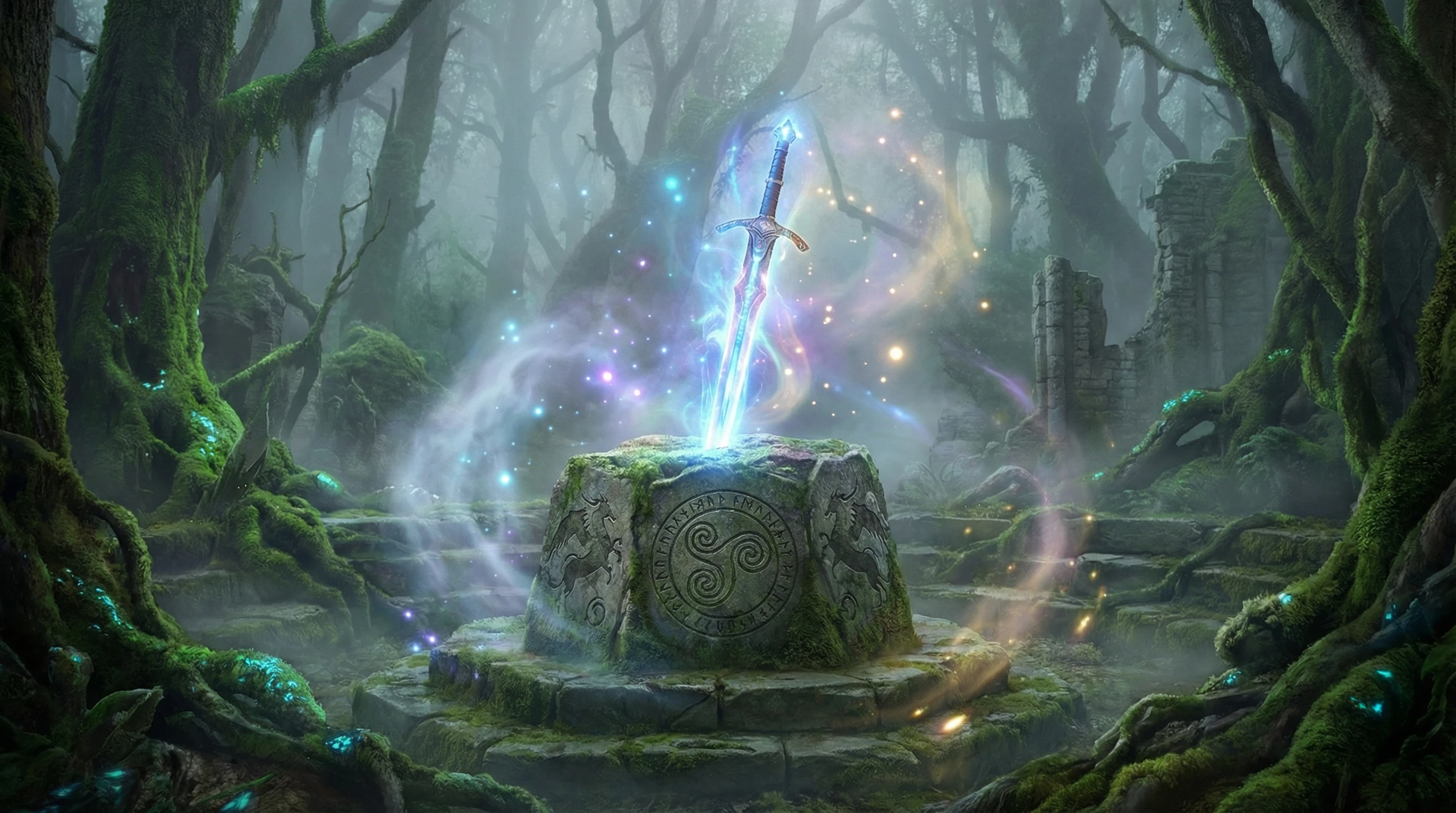
Kicking things off with Excalibur just feels right. This sword isn’t only at the center of Arthurian legend but has also set the standard for basically every iconic fantasy blade since. What made Excalibur special goes beyond its magical sharpness or ability to shine with blinding light. When Arthur pulls the sword from the stone or receives it from the Lady of the Lake (depending on which version you read), it’s less about strength and more about destiny and being worthy.
The symbolism of Excalibur is tangled up with ideas of rightful leadership, figure out approval, and the weight of responsibility. Arthur’s sword signifies not just his right to rule but his duty to uphold justice and honor. Excalibur pretty much kicked open the door for other fantasy stories to treat swords as more than weapons, turning them into reminders of destiny, trust, and sometimes sacrifice. These ideas were picked up by authors and creators everywhere, from Tolkien to the folks behind popular games and anime.
How Fantasy Swords Became Legendary Symbols
Fantasy swords started showing up in old myths and legends, but modern books, films, and games took their symbolism to a new level. Instead of just being tools for battle, these swords started helping characters check out their identity or push them toward a bigger purpose.
Think about how these swords get passed down, hidden, or lost—there’s usually a lot of mystery and tension that surrounds them, reflecting the struggles or triumphs of whoever wields them. Their names get remembered long after the battles are over. Excalibur set this up, but other stories really run with it, adding new twists and meanings along the way.
- Chosen One Theme: Many fantasy swords choose their owner or appear only when someone truly needs them.
- Burden and Sacrifice: Carrying a famous blade isn’t always awesome; sometimes it comes with big risks or personal losses.
- Transformation: The adventure to claiming or mastering the sword is often a huge part of a character’s personal growth.
Standout Swords and Their Deeper Meanings
While Excalibur paved the way, a bunch of other legendary swords have their own storylines and symbolism, each worth digging into. So, here are a few blades you might recognize, along with what I think makes them special on a symbolic level.
- Andúril (Lord of the Rings): Forged from the shards of Narsil, Andúril is a symbol of hope and the return of true kingship in Middle-earth. Aragorn’s acceptance of the sword reflects his acceptance of his destiny and all the pressure that comes with it.
- Stormbringer (Elric of Melniboné): This is a seriously moody sword. Stormbringer gives its wielder immense power but at a pretty harsh cost. It represents temptation, inner struggle, and the idea that power can easily turn destructive if not handled well.
- Frostmourne (World of Warcraft): Not just a cool looking ice blade, Frostmourne is tied to corruption and the loss of self. The hero who wields it, Arthas, slips into darkness because of his choices and the sword’s influence. It’s a lesson in how good intentions can be warped by the wrong tool.
- The Master Sword (The Legend of Zelda): This sword is sometimes called “the blade of evil’s bane.” It’s all about purity, courage, and the will to fight for what’s right. It can only be wielded by someone with a pure heart, tying it back to the themes introduced by Excalibur.
There’s one more that stands out for many fans: Soul Edge from the Soulcalibur series. Soul Edge embodies the ultimate corrupting influence, where wielders are often overtaken by its evil will rather than using the blade for their own intentions. It shows how a sword can be both alluring and dangerous when its power promises more than any one person should hold.
Why Swords Mean More Than You’d Think
Picking up a legendary sword in a fantasy story isn’t just about getting a weapon upgrade. Usually, it marks a turning point in the tale; a new hero steps up, or a major quest begins. These scenes stick around in people’s heads because they link a physical object—the sword—to some big themes like hope, doom, or redemption.
Sometimes, just the look or name of a sword hints at what’s coming. For example, names like “Soul Edge” or “Lightbringer” tell you right away that there’s more going on than meets the eye. The sword becomes a hint about the character’s fate or the story’s outcome.
Common Themes Wrapped Up in Fantasy Swords
- Worthy Ownership: Swords that only work or reveal their true power for the right person put a spotlight on themes of integrity, humility, and earning one’s place.
- Unity and Division: Sometimes swords bring people together, like forging alliances. Others drive characters apart or even start wars, showing that their symbolism can mix in some variety to fit the tale’s needs.
- Memory and Legacy: Heirloom swords carry the past into the present, connecting generations and keeping old legends alive.
What to Look For When Digging Into Fantasy Sword Symbolism
Not all fantasy swords are made equal. Some serve very obvious purposes, while others are more subtle. Here are some pointers that help me unpack what these blades mean in stories, games, or films.
- The Way It’s Earned: Does the character have to go through a big quest, show courage, or face temptation? The process of claiming a sword is often packed with symbolism.
- Supernatural Features: Blades that glow, talk, drain energy, or switch shapes are usually direct reflections of the hero’s state of mind or the challenge they need to overcome.
- Mythic Origin: Many of the strongest fantasy swords are connected to gods, old magic, or mysterious forges. Where the blade comes from often lines up with what it’s supposed to mean.
- Who Had It Before: A sword’s previous owners, or the legends about them, add layers to its meaning. Sometimes the new wielder feels pressure to live up to that reputation or break free from it.
Real World Connections
What makes it interesting is that fantasy sword symbolism isn’t totally cut off from real life. In history, swords were once tied to social status and personal honor, and in some places, they still symbolize those values. By weaving those ideas into stories with a magical twist, writers keep the feeling fresh and relatable. Today, you’ll see this kind of symbolism in everything from best selling novels to blockbuster movies and roleplaying games. Fans collect replicas, learn the lore, and even debate what these swords ‘really’ mean on forums and at conventions.
Expanded fan communities have turned these swords into icons of community and shared interest. From cosplay to artistic drawings and fan fiction, these legendary blades draw people together, giving both creators and audiences a way to connect with tradition and fantasy at once. The impact stretches far beyond the page or screen—it influences art, crafts, and even personal philosophy for those inspired by the tales.
Popular Questions About Fantasy Swords
Here are a few questions I see pretty often about these iconic blades:
Which fantasy sword is the most famous?
Excalibur remains the most famous, partly because it’s been part of Western stories and pop culture for centuries. It’s instantly recognized, and most magical swords in fiction borrow from its core symbolism.
Are swords always a good thing in these stories?
Not always. Stormbringer and Frostmourne are great examples where the sword’s power turns out to be more of a curse than a blessing. It really depends on the story and the choices characters make. Sometimes, a sword tests its user as much as it helps them, reminding us that tools of power require wisdom more than brute force.
Can the same sword mean different things in different versions?
Definitely. Excalibur alone has a thousand permutations, sometimes focusing on destiny, other times on destruction, or even personal loss. Authors love to twist the meaning to fit their unique take, letting each storyteller frame the sword’s significance for their world.
Do fantasy swords always have to look impressive?
Not really. While a lot of legendary swords are flashy, sometimes a blade’s power is hidden in plain sight or only appears when truly needed. The connection between image and essence doesn’t always require an eye catching design—it often lies in the blade’s story.
Swords in Modern Fantasy: Why They Still Matter
Fantasy swords keep showing up in new stories and games because they capture something universal: people’s fascination with heroism, choice, and the struggle between good and evil. Excalibur’s legacy laid the foundation, teaching creators to use swords as symbols of so much more than violence. Whether a sword grants power, curses its owner, or helps unlock true potential, it turns the story into something bigger than the sum of its parts.
If you’re into fantasy or just picking up a new book or game, paying attention to how those swords are used can add a whole new level of enjoyment. Each blade has its own history, message, and meaning, and sometimes, figuring out what they stand for is the real adventure. The next time you stumble upon a legendary sword in a story, take a closer look—you might just track down a hidden layer of meaning that brings the narrative to life in unexpected ways.