Mythical blades aren’t just ordinary swords in Middle-earth; they’re symbols of old power, prestige, and the linking of past legends to present fates. Watching (or reading) The Lord of the Rings, I’ve always felt the excitement that comes from swords with backstories deeper than you’d expect at first glance. The forging and lore behind weapons like Andúril, Narsil, Sting, and Glamdring give these blades an energy that’s almost alive, shaping the course of the story and the people who wield them. Here, I’m unpacking how these legendary blades are made, the stories that gave them weight in Middle-earth, and what makes them so darn cool every time they show up on page or screen.
The Role of Legendary Swords in Middle-earth
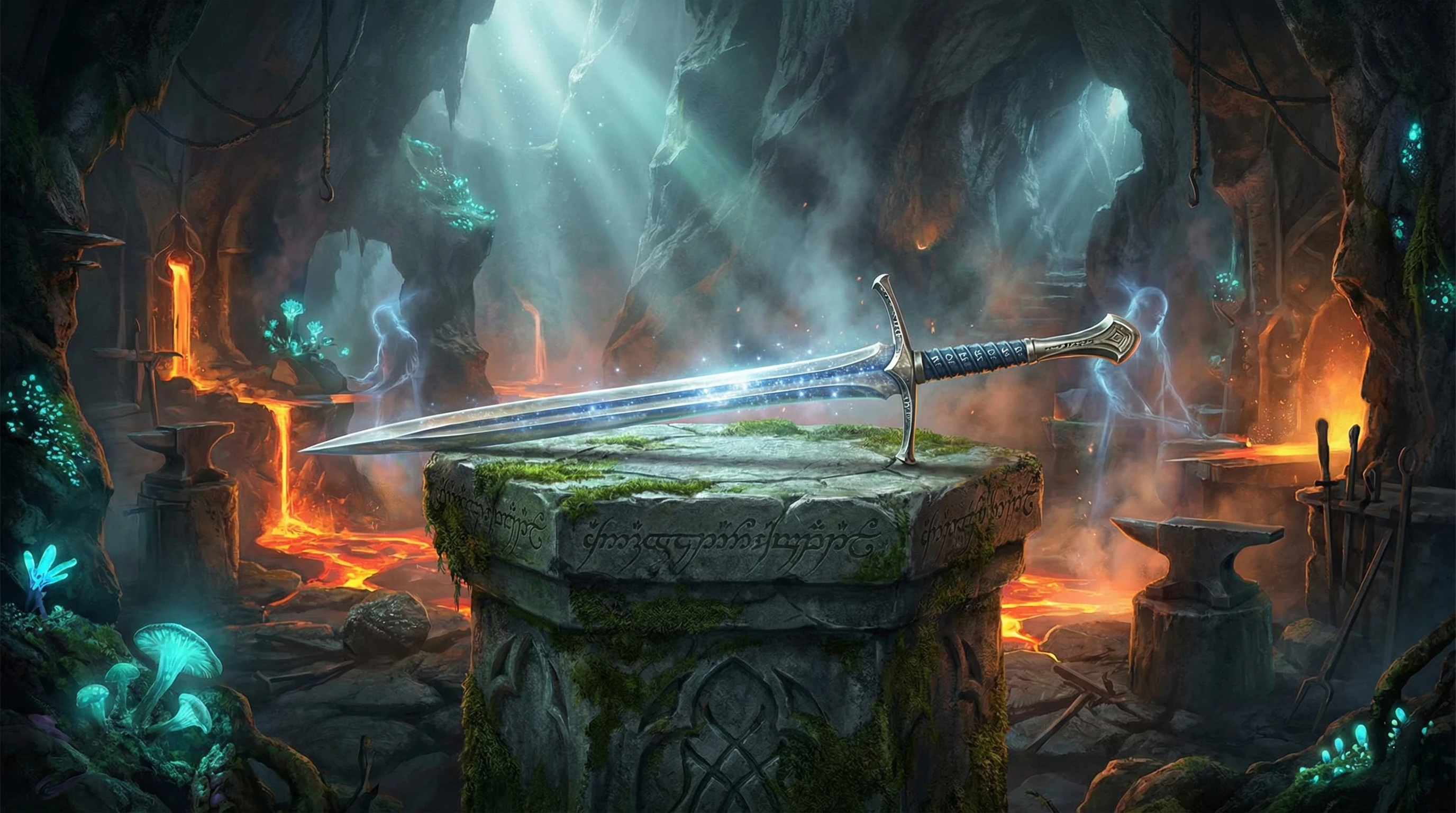
Swords in The Lord of the Rings go way beyond simple weapons. If you remember the first time Aragorn takes up Andúril, or Bilbo finds Sting in a trollhoard, it’s easy to see how these blades represent hope, heritage, and even warnings of danger. They’re wrapped in prophecy, power, and the memory of ancient wars. In Tolkien’s world, the act of forging a sword is closer to magic or art than simple metalwork, and each blade’s history is just as important as its sharpness.
For folks new to Tolkien’s legendarium, think of these swords almost like characters themselves. They don’t just get handed from person to person; they’re connected to the fate of kingdoms and the fall of dark powers. The right sword, in the right hands, can turn the tide in the biggest moments of Middle-earth’s history.
How Forging Works in Tolkien’s World
Middle-earth’s master smiths are different from your typical blacksmiths. Most famously, the Elves of Eregion, led by Celebrimbor, were unrivaled in forging enchanted weapons and rings. Dwarves, too, especially those from Khazaddûm, had their own world renowned skills. What’s fascinating is how Tolkien combined real-life old world smithing techniques with a sense of mythic magic.
- Elvish Craftsmanship: Elves could weave spells, runes, and protection into their blades, making them glow in the presence of enemies or cut through unnatural armor. Glamdring, Orcrist, and Sting are perfect examples. Besides the visual magic, their crafting style meant every blade was lighter and more durable than anything mortals could create.
- Dwarvish Precision: Dwarves didn’t usually enchant their swords, but their technique made for tough, nearly unbreakable weapons. They could also inlay runes for identification or simple protection. Their obsession with symmetry and strong forging traditions shows in every weapon they produce.
- Magical Influence: The forging scenes usually mention special forges, rare metals (like mithril, famously lighter and stronger than steel), and ancient languages or songs performed during the crafting. Ritual and tradition play a huge role, and each step is weighed with meaning and care.
The reforging of Narsil into Andúril, for example, called for the surviving shards, a skilled team of Elven smiths from Rivendell, and even the recitation of the lineages tied up in the sword’s creation. Tolkien doesn’t just brush past this process; it’s a big deal with real ceremony and stakes that add depth to the adventure.
The Backstory of Famous Blades
I can never get enough of the little details Tolkien sprinkles in about his legendary swords. Each one comes packed with a saga:
- Narsil/Andúril: Forged in the First Age, Narsil was Elendil’s blade that shattered beneath him when Sauron struck him down. Isildur used its broken shard to slice off the One Ring from Sauron’s hand, which literally changed the fate of Middle-earth. Later, it’s reforged for Aragorn and renamed Andúril, which means “Flame of the West.” Aragorn wielding it is a sign he’s ready to claim his heritage and unite the kingdoms of Men. Throughout history, its presence inspires hope and signals the return of a lost line.
- Sting: This tiny Elvish blade was originally crafted in Gondolin. Bilbo claims it off a trollhoard and later gifts it to Frodo. The coolest thing? It glows blue when orcs are nearby, giving its bearer a heads up before ambushes. That feature links back to the advanced enchantments of its makers, Elvish smiths working long before the main story even starts. Sting’s size and portability make it unique among mythical blades, and it plays a crucial role in Frodo’s quest.
- Glamdring and Orcrist: Both of these swords came from the hidden city of Gondolin. Gandalf picks up Glamdring, which gets called “Foehammer.” Thorin’s Orcrist earns the orc nickname “Biter.” Like Sting, they glow blue in combat with orcs and stand apart as legendary relics of a lost age. The fact that both good and evil recognize these swords on sight adds gravitas whenever they are unsheathed.
Each blade brings history to the story. The moment someone wields one, they’re not just picking up a weapon; they’re stepping into a myth and carrying the hopes of ages past. These swords have traveled through time and great battles, making them more than just tools for war—they’re artifacts that shape destinies.
What Makes a Sword Truly “Mythical” in Middle-earth?
I’ve noticed Tolkien loved connecting swords to more than just magic stats or fighting power. In his world, these factors decide if a blade stands out:
- Ancient Lineage: The best swords come with long backstories. A sword tied to Elven or royal ancestry brings extra awe. Lineage offers not just bragging rights but also a sense of sacred duty for whoever carries the blade.
- Unique Properties: Glowing when danger is near (like Sting), being unbreakable, or having names that strike fear into the enemy makes these swords legendary for both their users and the people facing them. Some swords also resist corruption or carry blessings against evil.
- Rightful Ownership: Who carries the sword matters. For instance, Andúril in Aragorn’s hand means more than just another king’s weapon; it’s proof he’s the true heir. Swords are often passed down or earned by destiny, not just by luck. The weapon chooses the wielder as much as the other way around.
- Symbolic Power: The biggest part of mythical blades is how they tie directly to the fate of Middle-earth. Imagine if Andúril wasn’t reforged. Who knows if Aragorn would have united the Free Peoples or claimed his crown? The symbolic value often outweighs the practical one and affects alliances throughout Middle-earth.
Common Challenges in Forging a Mythical Blade
Forging an iconic sword isn’t simple, even in fantasies. In Tolkien’s stories, there are a few stumbling blocks worth knowing about:
- Finding the Right Materials: Legendary blades call for the rarest stuff—think mithril, special Elven silversteel blends, or metals lost after a city’s destruction. Acquiring such materials often requires epic quests, risky expeditions, or luck that’s hard to come by in an age when many places are in ruins.
- Skilled Smiths: Not just any blacksmith can whip up a sword like Glamdring. Talented Elven or Dwarven smiths are usually needed, and their numbers are limited, sometimes lost after wars or scattered after disasters. Losing knowledge is as dangerous as losing the raw materials.
- The Magic Factor: Enchantments, runes, or blessings add way more complexity. Sometimes this means using old languages, chanting ancient songs, or even calling on the help of Valar (the godlike beings in Tolkien’s universe). In some cases, the magic is subtle, baked into every layer of the blade instead of flashy effects.
- The Story Itself: Some blades require a special moment—a quest to find the shards (like Narsil), a hero-worthy occasion, or a ceremony that basically weaves prophecy into the forging itself. This makes the process more than just an act of craftsmanship; it becomes a rite of passage, full of tension and promise.
Material Challenges
Not every smith gets access to mithril or ancient forges. When these resources are lost or hidden, weapons from earlier ages begin to stand out as rare treasures even more. This gives items like Sting or Andúril a weight that newer blades just can’t match, even for the best modern smiths in Middle-earth. The scarcity of both materials and skills explains why characters value relics so much.
Skill and Tradition
Elven smiths and master Dwarves are not nearly as common as they once were in Tolkien’s Third Age. The decline of such skilled craftspeople means reforging or creating swords of power is tied to lost knowledge and nearly forgotten secrets, which adds a layer of meaning every time one of these swords reappears in the story. Sometimes, the act of reforging is as important as having the sword itself.
Advanced Lore: Subtle Details You Might’ve Missed
Tolkien slipped in a lot of neat tidbits about his swords that you might catch if you’re paying attention:
Language of Power: Swords often come inscribed with Elvish runes, marking their origin, power, and sometimes a warning to enemies. The words aren’t just decoration; they’re a silent testament to the blade’s legacy and purpose.
Power in Names: The act of naming a sword isn’t just a fun tradition in Middle-earth. It grants that blade a sense of identity and makes it famous or infamous (even to creatures that fear it, like orcs dreading Glamdring). The story of the name sometimes grows bigger than the sword’s powers themselves.
Even swords that aren’t enchanted can become legendary just from the stories and titles attached. Narsil’s history is so long that people across cultures know it’s not just any weapon; it’s the sword “that broke the world.” The legend grows with each retelling, inspiring awe in every generation.
Practical Uses for Blades in The Lord of the Rings
Legendary swords aren’t just for epic showdowns (though those are awesome). Here’s how these weapons actually help across Tolkien’s stories:
- Uniting People: A sword like Andúril inspires loyalty and brings together groups who might not trust each other otherwise. Its presence in a council or battlefield can change how people react and rally soldiers who may have lost hope.
- Warning and Protection: Enchanted blades warn their users of danger or protect them from dark forces that regular weapons can’t touch. Some swords are known to resist evil influence, and wielders rely on them as a defense beyond mere steel.
- Legacy and Hope: Heirloom swords get passed down through generations, reminding characters of the sacrifices and victories of their ancestors. They foster courage and create a bridge between the old world and what’s yet to come.
Aragorn’s story and his path to kingship wouldn’t hit the same without Andúril. Bilbo and Frodo’s adventures would likely end pretty early if they didn’t have Sting glowing to warn of goblins. The perfect sword is half a miracle, half a memory, and always bound up with the fate of the people who hold it. And let’s not forget, these swords often become rallying points—a symbol for all free peoples to stand behind.
Frequently Asked Questions
Here are some things I’m often asked (or have wondered about myself) when getting into Tolkien’s sword lore:
Question: Why do so many Elvish swords glow blue?
Answer: Elven smiths from Gondolin enchanted their blades, so they’d light up around orcs, acting as an early warning system. This feature shows the deep magical knowledge of Elves and helps keep their users alive in enemy territory. The glow isn’t just flashy; it’s often the difference between life and death in dark places.
Question: How are swords named in The Lord of the Rings?
Answer: Naming a sword is usually a sign it’s made a mark on history, either through battles, owners, or legendary deeds. A new name often follows a reforging (like Andúril from Narsil) or a significant act in battle. The name serves as a story in itself, echoing through song and memory.
Question: Can new mythical swords be forged in Middle-earth during the Third Age?
Answer: By the Third Age, making legendary blades is rare, with most knowledge and materials fading with ancient kingdoms. That’s why reforging old weapons is so important; there just aren’t many new ones appearing that can match the old legends. The decline in magical tradition makes each surviving sword even more cherished and meaningful.
Forging Mythical Blades: Why the Process and Lore Still Fascinates
The stories behind Middle-earth’s famed swords connect the past and present with mythic style. From the way they’re forged to the powers they seem to carry, it’s all about more than just good steel, it’s about the stories, the heroes, and the fate of everyone who picks them up on their adventure.
If you ever get the itch to reread or rewatch The Lord of the Rings, keep an eye out for those little sword moments. There’s always more hiding behind that blade than meets the eye. Whether you’re tracking down ancient lore or just vibing with epic battles, these mythical weapons bring Middle-earth to life in ways no ordinary sword ever could.