Ancient weapons like swords, bows, and spears have shaped battles and cultures for thousands of years. Even though they’re mostly museum pieces or part of historical reenactments today, these weapons once played a big role in determining the outcome of wars, conquests, and personal duels. Whenever I watch old movies or play video games, I always wonder which weapon really stood out on the battlefield, not just for its looks but for how well it worked. So, I put together this guide to break down what made each weapon tick, where it shined, and how it measured up in real life.
A Quick Look at Swords, Bows, and Spears
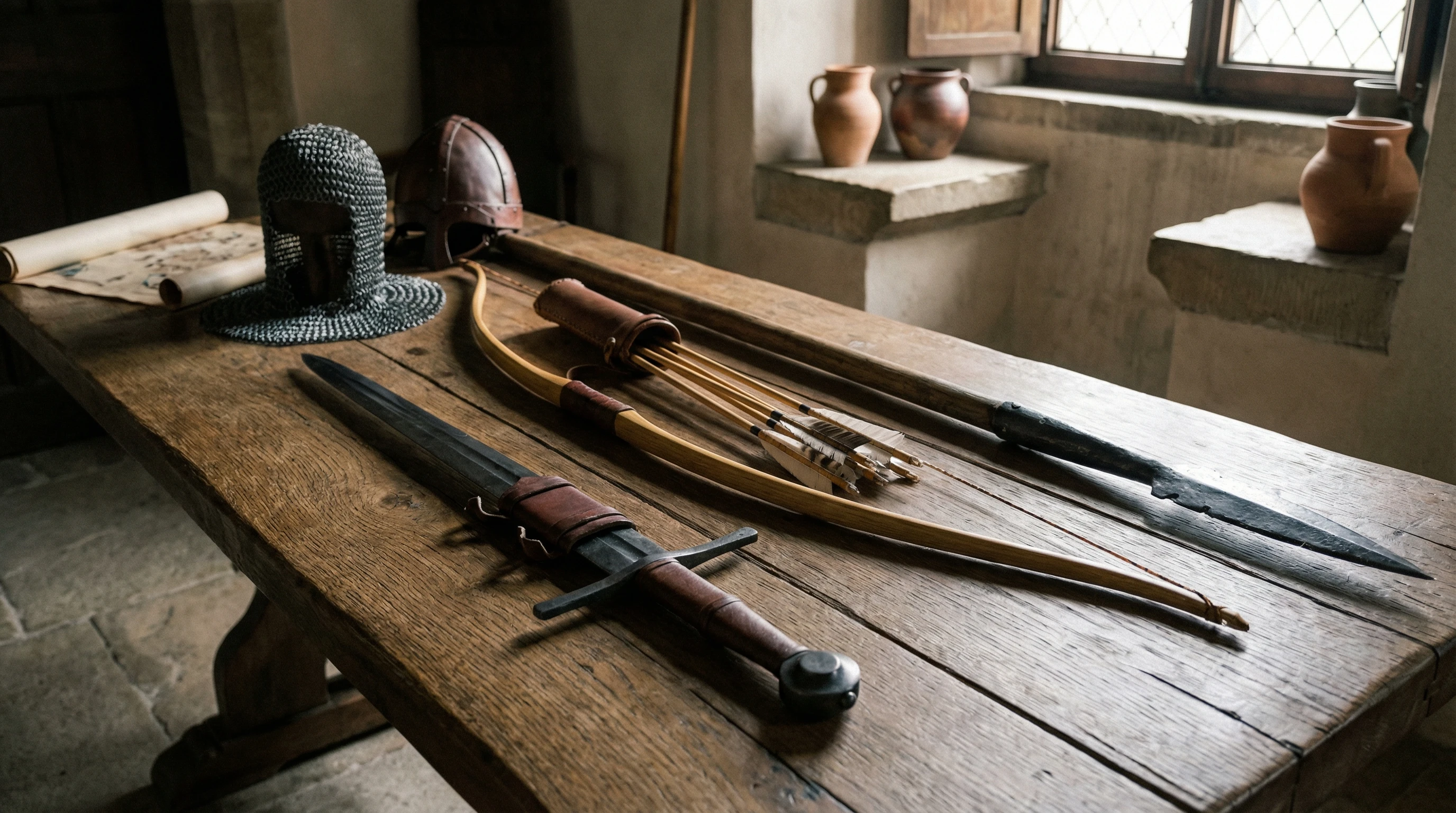
Whenever I think of ancient weapons, swords, bows, and spears top the list. Each one brought a different style to combat, from the close-up clash of swords and spears to the long-range advantage of bows. These weapons didn’t just look cool; they developed because soldiers and hunters needed practical tools for specific situations.
Swords usually get the most love in pop culture, but bows and spears held their own for centuries. In fact, some historians argue that spears were probably used more than any other tool in human history. Bows showed up in pretty much every civilization, tweaking the balance on battlefields long before gunpowder showed up.
Fascination with these classic weapons sparks discussions that go beyond battles and tactics. The design and crafting of each weapon tell us a lot about the societies that made and used them. Whether as the centerpiece in a history collection or as reenactment props, these weapons have never truly faded from the public imagination.
Breaking Down the Basics of Each Weapon
Before weighing their strengths and weaknesses, I want to cover what each weapon is all about. Understanding the unique qualities of a sword, a bow, and a spear shines a light on why they worked in certain places and times.
- Sword: A sword is a bladed weapon made for cutting, thrusting, or both. It comes in all shapes and sizes, from short Roman gladii to huge medieval broadswords. Swords needed skill and training, but a good one made you dangerous up close.
- Bow: Bows fire arrows over long distances using flexible limbs and a strong string. Archers could take down enemies from far away or hunt without getting close. Bows range from small shortbows to massive longbows or the complicated recurve bows of Central Asia.
- Spear: The spear is simple, a long shaft with a sharpened point. Thrown or used in hand-to-hand, spears were found on nearly every continent. They’re one of the oldest weapons known, and for good reason: easy to make, hard to dodge.
How Swords, Bows, and Spears Fared on the Battlefield
These weapons weren’t all used in the same way. Different battlefields, tactics, and situations called for different tools. Getting to know how each weapon really worked helps make sense of why armies invested in one over another.
Range and Reach
Bows clearly outclass swords and spears for hitting targets at a distance. Skilled archers could land arrows accurately from 100 yards or more, while spears could be thrown but didn’t really match the bow’s range or power after a few dozen yards. Swords are all about the close-up, high-intensity moments.
Ease of Use and Training
Learning to use a spear took less time than mastering the bow or the sword. Spears were often given to new soldiers, already effective in large groups. Archery, on the other hand, took years of practice for real accuracy and speed. Sword fighting also demanded training; many medieval knights started young just to keep up.
Killing Power
A bow could pierce armor or shields with the right arrowhead and a strong enough draw, especially from longbows or composite bows. Swords could slice or stab if you got close, and the spear brought both stabbing damage and, when thrown, some pretty devastating force. The effectiveness often depended on armor, skill, and how the attacker used the weapon.
Comparing real world accounts highlights these differences even more. Roman legions, for example, succeeded by using spears in formation, only switching to swords when up close. Medieval battles often started with volleys of arrows before descending into spear and sword melees. These shifts reveal just how flexible and important each weapon was depending on the army’s strategy and the environment.
What Made Each Weapon Really Useful
I find it helpful to break down the cool features that make each weapon worth considering, whether you’re curious about history or just want to know which one might come out on top.
- Swords: Flexible for offense and defense, easier to carry, and quick to draw. Swords became symbols of martial skill and leadership.
- Bows: Great for ambush, hunting, and thinning out enemy ranks before hand-to-hand fighting started. Archers often changed the outcome of battles before swordsmen ever met.
- Spears: Could be mass produced, used with shields for defense, and thrown or thrusted. Whole formations, like Greek phalanxes, relied on spears to keep opponents at bay.
When thinking about the social and cultural sides, you also notice how these weapons shaped status and identity. Swords were often ceremonial and passed down in families. Bows gave rise to legendary archers. Communities celebrated and honored skilled spear throwers in ritual and myth. This influence carries through into modern times, with martial arts schools still teaching sword and spear techniques and archers forming communities worldwide.
Things Worth Considering When Comparing These Weapons
There’s no perfect weapon that outshines the rest in every single scenario. Context makes a huge difference. Here are a few things I always keep in mind when comparing swords, bows, and spears.
- Formation vs. Solo Fighting: Spears and bows shine in armies or groups, while swords are often better for one-on-one combat.
- Terrain and Setting: Bows rule in open ground with clear lines of sight. Spears and swords are better in close quarters, narrow passes, or inside forts.
- Armor: Heavily armored enemies could shrug off some swords and arrows. Spears with heavier tips or bows with stronger draw weights helped counter this.
- Cost and Availability: Spears are super cheap and easy to make. Bows require better materials and more skill. Swords were expensive and usually signals of wealth or rank.
A Closer Look: Sword Fighting
Real sword fighting depended on skill, agility, and nerves. In duels or as a backup weapon, swords were favorites of soldiers and officers. Owning a sword often meant you were someone important, not just a foot soldier. Sword fighting, with its many schools and unique techniques, has inspired everything from fencing tournaments to epic scenes in movies and books.
A Closer Look: Archery in Action
Archers made huge impressions in battles like Agincourt, where English longbowmen rained destruction on well-armored knights. On hunting trips or in ambushes, bows let you strike first, sometimes without your enemy even spotting you. Archery contests and practical skills still matter today, with modern bows continuing the age-old skills that made ancient armies so successful.
A Closer Look: Spears in Battles
Spears offered reach against animals and other soldiers. Massed pike formations stopped cavalry charges and held ground. I’ve found that the humble spear was often the backbone of many armies even into the gunpowder age. In some regions, spears are still used in ceremonies and traditional events, reminding us that their impact spans both war and culture.
Plus, the variety in spear types—from short javelins to massive pikes—shows how adaptable this weapon was. Some spears were designed just for throwing, while others worked best in a tight shield wall. This versatility made them a consistent go-to choice even as technology advanced around them.
Common Questions About Ancient Weapons
People ask me all the time which one I’d pick if I had to fight in an ancient battle. Here are a few questions that always pop up:
Were bows more effective than swords?
Depends on the setting! Bows are perfect for long-range attacks and hunting, while swords come into play once things get close and personal. On open battlefields, a good line of archers did real damage before swordsmen got into the mix.
Why did armies stick with spears for so long?
Spears are cheap, easy to learn, and really good when used by a group. They offered reach against animals and enemies and, with shields, made armies tough to break through. History is full of successful armies built around spear formations.
Could archers pierce armor with their arrows?
With powerful enough bows and strong arrowheads, yes, archers could sometimes punch through armor; especially thinner or poorly made stuff. Heavy plate armor made it harder, though, so archers had to aim for weak spots.
Is it harder to learn sword fighting or archery?
Both take a lot of dedication. Archery can take years to master, especially for rapid fire and accuracy at range. Sword fighting is also an art, full of moves, counters, and tactics. Spears, on the other hand, are much quicker to teach.
Another question that comes up is about which weapon would win in a duel outside of formation. Many experts say the fighter’s skill is more important than the weapon itself. Still, there’s no denying the tactical edge bows and spears can provide in the right hands and circumstances.
Finding the “Most Effective” Weapon for Different Situations
I always come back to the idea that there’s no single “winner” among these ancient weapons. Each one had its heyday because it made sense for that time and place. Swords gave leaders status and worked great in a pinch. Bows allowed warriors to control the field from afar and take down game or enemies before they got too close. Spears gave regular folks and fledgling soldiers the reach they needed to stay safe and fight as a team.
Modern martial arts, reenactment groups, and historians all debate which weapon wins out, but context still matters most. If I had to pick, I’d look at what the situation needed: defense in formation? I’d take the spear every time. Have to hunt or deal with a threat at a distance? A bow is the best bet. Up close and one-on-one, nothing feels quite as iconic as a good sword in hand.
The fascination with these weapons will likely continue as new generations stumble upon the stories behind them, practice their techniques, or simply admire their craftsmanship and history. As we look back, we can appreciate not just their role in conflict, but also their influence on tradition, storytelling, and the way we imagine our past.