Elven weaponry has always caught my eye in The Lord of the Rings. These blades, bows, and other arms aren’t just regular tools of battle; they’re a mix of ancient artistry and some serious magical history. The elves value both the beauty and purpose of their weapons, giving each one a story of its own. So, here’s a breakdown of what makes Elven weaponry special, what types you’ll find in Middle-earth, and some cool details you might have missed.
What Makes Elven Weapons Unique in Middle-earth?
If you’ve watched the films or read Tolkien’s books, Elven weapons stand out by how much care and magic go into them. These aren’t hastily forged steel. Every sword, bow, or spear holds up against the forces of evil and looks amazing while doing it.
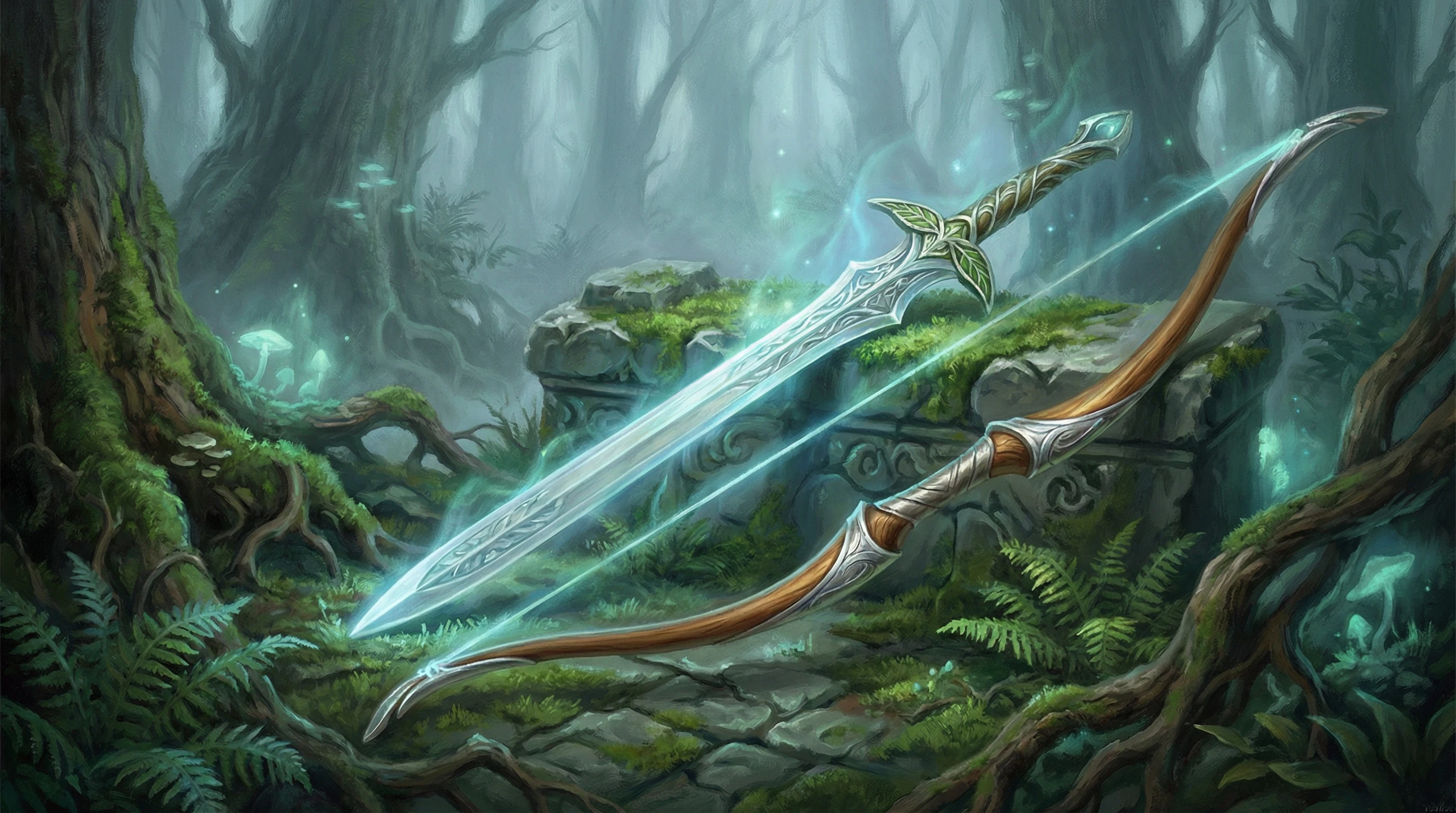
The elves are known for their expert craftsmanship. They use rare metals, magical enchantments, and elegant designs. Weapons like Glamdring and Hadhafang blend strength and style, while even simple knives from Lothlórien feel special because of the attention to detail. Some even have powers, like glowing near orcs or cutting through stone and armor that normal blades could only dream of.
In Tolkien’s stories, weapons aren’t just tools; they’re living parts of history. You don’t just pick up any Elven sword; you hold something made to last ages and to pass stories from one generation to another.
Types of Elven Weapons You’ll Find in The Lord of the Rings
The elves crafted a variety of weapons, each with its own features and uses. Here are some big ones:
- Elven Swords: Sleek, slightly curved, and usually engraved with runes or flowing patterns. Think Sting or Glamdring, swords that glow blue near Orcs, making them handy for more than just duels.
- Longbows: Famous for their range and strength. Legolas’s bow, for example, is lighter, faster, and much stronger than anything a human could make.
- Daggers: Used for stealth and close combat. Elven daggers often double as utility tools. Arwen’s Hadhafang is a good example.
- Spears and Lances: In Elven armies, you’ll spot slender spears with razorsharp points, just as graceful as their swords.
- Armor and Shields: Elves craft light but tough armor, using layered leather, metals, and sometimes even magical protection.
Each weapon is custom fit, both to the wielder and often to its purpose. For ceremonial blades, expect even more detail, with gemstones and inlays that sparkle under starlight.
The History and Lore Behind Iconic Elven Weapons
The backstories behind these weapons seriously add to their charm. Legendary smiths like Fëanor and Telchar are credited with forging some of the greatest blades before the Third Age.
Glamdring: Known as the Foe-hammer, it was once the sword of Turgon, the Elven King of Gondolin. Gandalf later wields it during his adventures, and it glows blue when orcs are near.
Orcrist: Dubbed “Goblin-cleaver,” this sword shares a similar heritage as Glamdring. Thorin Oakenshield uses Orcrist in “The Hobbit,” and it also glows to signal danger from goblins.
Sting: Bilbo and Frodo’s small sword actually began as an Elven dagger. For a hobbit, though, it works perfectly as a sword, warning them of lurking orcs and spiders.
Galadhrim Bows: Gifted to the fellowship in Lothlórien, these bows are stronger and straighter than usual, able to shoot arrows much farther and deadlier.
Hadhafang: Though not featured heavily in the books, this sword is associated with Arwen in the movies and has a detailed Elven look. Its curved blade and runic markings make it a favorite for fans.
These blades move beyond simple function; they symbolize the Elven connection to the old world, and the battles that shaped Middle-earth. Over generations, elves would pass these legendary arms down as tokens of nobility and endurance. Writers say that any elf wielding such a weapon would feel the weight of ancient victories and past losses—making each swing meaningful.
Practical Features and Enchantments of Elven Weapons
There’s more to Elven blades than meets the eye. Here are some practical (and magical) perks I’ve found fascinating:
- Lightweight Strength: Elven weapons are easy to wield for long periods, yet can deliver hard, clean blows in combat.
- Magical Properties: Many of them glow in the presence of certain enemies or resist dulling with age.
- Sharpness and Precision: Elven smiths can forge edges so sharp that they cut through mail and bone without splintering.
- Resistance to Corruption: Unlike the Morgul blades of the Nazgûl, Elven weapons protect against dark magic rather than spread it.
The elves are known for adding flourishes and runes, but these touches aren’t just for looks. They’re reminders of lineage, victories over evil, and the protective power of their creators. Their expert hands can also blend advanced physics—making arrows fly truer, or sharpening balance for superior swordplay.
It’s worth noting Elven weapons often respond to their owner in subtle ways, matching their movements and intentions flawlessly. Since these weapons are individually crafted, an elf’s blade might feel like an extension of their own arm. The natural resilience of these weapons is another reason they’ve lasted centuries in the wilds of Middle-earth.
Common Beginner Questions About Elven Weapons
Since there’s a lot to unravel about these legendary weapons, here are some questions I hear most often (and what I’ve learned):
Question: Why do Elven swords glow?
Answer: The glow (think Sting) is thanks to enchantments designed to warn against orcs and goblins. It’s a practical feature for survival, so elves can avoid ambushes or prepare for battle.
Question: Is every Elven weapon magical?
Answer: Not every single one is packed with magic, but even basic Elven weapons have a quality and strength above most humanforged arms. The really famous ones, like Glamdring, Orcrist, or Sting, have extra magic layered in by master smiths.
Question: What’s the difference between Elven swords and human swords?
Answer: Elven swords are lighter, sharper, and often infused with magic or memory. Human swords, especially those in Gondor or Rohan, can be very wellcrafted but usually lack enchantments or the intricate artistry.
Question: Can other races use Elven weapons?
Answer: Yes! There’s no magic barrier stopping a dwarf, hobbit, or human from using an Elven blade. It’s just that Elven weapons often carry their own history, which makes them more treasured.
Question: Do Elven bows really shoot farther?
Answer: Absolutely. Elven bows, like those from Lothlórien, are crafted from unique wood and strengthened with magic, letting arrows fly far beyond standard human-made bows. Legolas’s incredible shots highlight this advantage during battles.
Choosing and Caring for Elven Weapons (If You Had the Chance!)
If you found yourself in Middle-earth and picked up an Elven sword or bow, keeping it in top shape would be super important. While these weapons are sturdy, they aren’t indestructible.
- Try to avoid rust by wiping the blade after each adventure. Elven metals resist it, but it’s better to be safe.
- Sharpen the edge only when needed. Elven blades stay sharp much longer than regular ones.
- Store weapons in dry, cool places, wrapped in silk or leather to protect both the blade and the intricate designs.
- If the weapon has inlay or gems, check for looseness—tighten or secure them gently to prevent loss during your next adventure.
The elves treat these tools almost like family heirlooms, maintaining them for centuries. Their habit of giving weapons names (like Glamdring and Orcrist) shows how much value they place on legacy. When an elf passes down a weapon, it’s more than a tool; it’s sharing part of their history and soul.
Learning from the Elves: What Modern Fantasy Fans Can Take Away
The detail Tolkien poured into describing Elven weaponry is a big part of why Middle-earth feels so real. If you’re a cosplayer, writer, or just love fantasy gear, there’s plenty to take away:
- Study the forms and motifs—gentle curves, leafy engravings, and inlaid runes make for eyecatching replicas.
- Consider function as much as style—Elven gear is always elegant, but always useful.
- Remember the stories—A weapon with a history feels more meaningful than just a chunk of metal.
If you create art or stories inspired by Middle-earth, imagine what tale each Elven weapon might tell. Could your character’s sword have saved a king or seen ancient forests fall? Adding such detail will make your own creations richer.
Tolkien’s love for language, myth, and detail makes Elven weapons more than props; they’re powerfully woven into the fabric of his world. When you hold (or imagine) an Elven sword, you’re not just equipped for battle; you’re holding part of the narrative.
Quick Facts and Trivia That Make Elven Weaponry Cool
- Elven weapons are sometimes centuries (or even millennia) old, passed through many hands but still performing perfectly.
- The runes on these weapons often spell out their name or purpose, adding to their mystique.
- Tolkien himself was an expert in language and history, crafting Elven words and phrases to give every blade authenticity.
- Film props were designed with realworld metals and wood, following Tolkien’s notes for ultimate accuracy.
- Elven craftsmanship is so well known that even the enemies of elves, like Sauron’s forces, seek out these weapons for their own use. Losing an Elven blade could shift the outcome of a major battle.
- Some Elven armor and weapons are rumored to offer protection not just against physical attacks but against fear and despair, lending hope to their bearer.
Wrapping up, the allure of Elven weaponry goes well beyond magic blades and bows; it’s the mix of history, artistry, and enduring legacy that sets them apart. Each piece carries a story and an energy that makes Middle-earth all the more captivating for fans and adventurers alike.