Magical weapons in Middle-earth have a reputation that stretches well beyond any ordinary sword or spear. When you think about the epic battles scattered across Tolkien’s world, the enchanted blades, staves, and axes often help turn the tide. Their power isn’t just in their strength or sharpness. It’s in the legends surrounding them, their special abilities, and the trust placed in their bearers. If you’ve ever wondered how these weapons actually shape the wars of Middle-earth, there’s a lot to unpack.
Why Magical Weapons Matter in Middle-earth Battles
The wars in Middle-earth aren’t just clashes of numbers or brute force. Magic weaves through every major story and battle. Enchanted arms bring an edge, sometimes literally, to those bold enough to wield them. These weapons help level the playing field, especially when armies face terrifying creatures or dark powers that most humans or even elves couldn’t handle with regular gear.
Elvish swords that shine in the dark, dwarven axes that strike true, hobbit blades with hidden power—these aren’t just for show. Legends around these items spread hope, and sometimes they even frighten off the enemy. When Sauron’s side unleashed beasts or the Witch-king led the charge, regular weapons didn’t stand much of a chance. Magical weapons gave defenders belief and the ability to win.
Across the centuries, there’s a sense that certain weapons are almost characters themselves. They’re passed down, coveted, and often just as famous as their owners. That’s pretty rare, even in fantasy settings, and adds another layer to each battle.
Getting to Know Middle-earth’s Most Famous Magical Weapons
You can spot a few iconic weapons in almost every Middle-earth conflict, especially those linked to the main characters. Some even have their own backstories or entire books written about their origins. Here are a few names that keep popping up:
- Andúril: Forged from the shards of Narsil, this sword carries the history of kings and is a symbol of hope for all of Gondor. Aragorn’s claim to lead the armies against Mordor comes to life when he wields it.
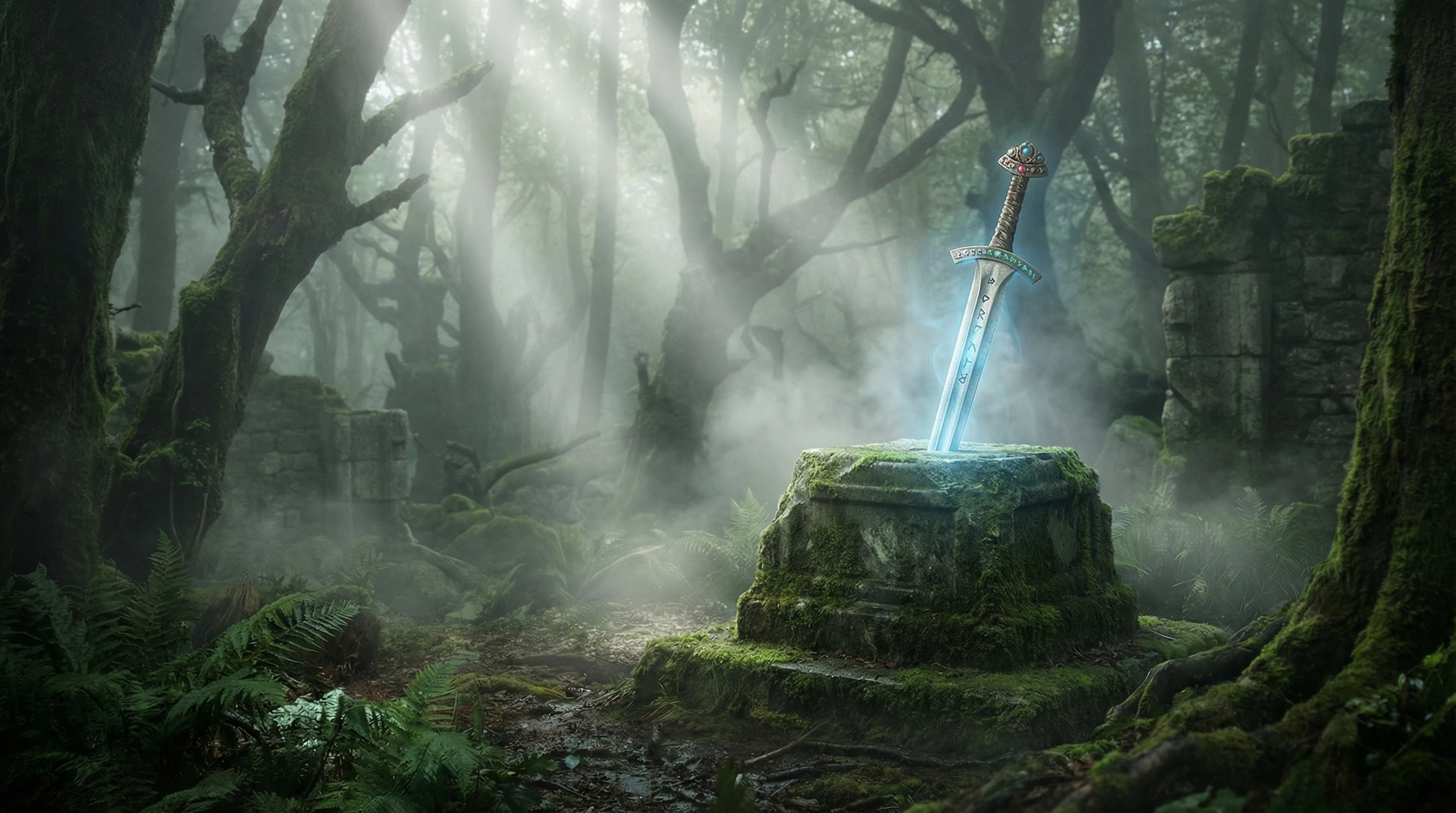
- Sting: A blade sized perfectly for a hobbit, Sting glows blue in the presence of Orcs. Frodo and Sam trust it to see them safely through dark tunnels and against giant spiders.
- Glamdring and Orcrist: These ancient Elven blades were feared by Orcs. Gandalf and Thorin Oakenshield wielded them to devastating effect in battles across the ages.
- The Black Arrow: While not a sword, Bard’s Black Arrow is famous for ending the life of Smaug the dragon. It’s a reminder that sometimes all it takes is the right weapon at just the right moment.
- Grond: Used by Sauron’s armies at Minas Tirith, this massive battering ram is called the Hammer of the Underworld. Its legend gave power to every single blow.
How Magical Weapons Change the Course of Battles
You’ll notice a pattern in nearly every major battle—a magical weapon either inspires a last-minute victory or helps a small group accomplish something wild against the odds. Here’s where things get interesting:
- Strengths Beyond Mere Metal: Magical weapons often break rules set by normal equipment. Sting’s glow warns of hidden dangers. Andúril makes Aragorn instantly recognizable as the rightful heir, even to those who don’t know him by face. Elven swords can hurt supernatural enemies that shrug off regular blades.
- Symbolic Power: The history or story behind each item sometimes matters as much as its function. When the sword that cut Sauron’s finger is reforged, hope and unity return to lands that have struggled for years. Troops rally. Enemies hesitate. Sometimes, they flee just at the sight.
- Supernatural Resistance: Certain weapons act as shields or nullifiers. The Witch-king, supposedly invincible, is struck down after a hobbit’s Westernesse blade breaks his magical defenses. It’s a great example of how the right weapon can undo even the darkest spells.
Things to Know Before Imagining Magical Weapons in Middle-earth
Just because a weapon is magical doesn’t mean it always guarantees victory. A few details are worth considering if you’re reading closely, playing a game set in Tolkien’s world, or even working on your own fantasy story inspired by Middle-earth:
- Loyalty and Destiny: These weapons usually respond to specific kinds of people. Wrong hands? Not so much luck. The Ringwraiths couldn’t use the Palantír properly, and Gollum never did much with Sting.
- Backstory Matters: Each magical weapon has a long (sometimes tragic) history. Owning one comes with responsibility, whether it’s restoring a kingdom or finishing an ancestor’s quest.
- Magical Limits: Even the best blade won’t help if the wielder freezes with fear or makes poor decisions. The weapons offer tools, not automatic wins.
- Corruption Risks: Some items, like the Rings of Power or even certain swords, tempt their bearers. The line between ‘helpful’ and ‘dangerous’ can get blurry fast, as with the One Ring itself.
Weapons Used in Notable Middle-earth Battles
Certain weapons are directly tied to memorable moments in Middle-earth history. Here are some real standouts:
- The Battle of Five Armies: Glamdring and Orcrist cut through goblins and bolster the courage of Men, Elves, and Dwarves fighting side by side.
- The Siege of Minas Tirith: Andúril flashes on the field as Aragorn rallies the defenders. Grond’s debut is a bit terrifying as it bashes down massive gates. Each shifts momentum for its side of the battle.
- The Paths of the Dead: Aragorn uses Andúril to claim authority and fulfill ancient prophecies, convincing the Dead to rise and fight. This one moment swings a whole war’s balance.
- Cirith Ungol: Sting saves Frodo from Shelob, giving just enough edge to keep the quest alive.
What’s Behind Their Magic?
Tolkien’s weapons don’t really shoot fire or toss out spells in the traditional fantasy way. Their magic is quieter and more woven into their making, like Elven-forged steel, Dwarven craft, blessings from old powers, or ancient oaths bound with fate. This makes their power feel like it fits naturally into the world instead of standing out as something tacked on.
It’s worth noting that the uniqueness of these weapons supports the sense of history in Middle-earth. For example, the way Glamdring is referenced in both The Hobbit and The Lord of the Rings gives a real sense of continuity—almost as if the weapon has its own life and story independent of its wielders. And the fact that these weapons aren’t easily replaced underlines why losing them (or passing them on) can totally remix the fate of entire kingdoms.
Advanced Ways Magical Weapons Are Used in Middle-earth
For those who want to think a bit deeper about how these weapons actually work in context, here are some interesting angles:
Hidden Abilities: Many magical weapons hold surprises, like swords that break curses or axes that connect their bearers with the stone and earth around them. Stumbling upon these abilities can be game-changing in a desperate moment.
Strategic Placement: Weapons aren’t always used in open battle. Threats and negotiations sometimes revolve around who holds which legendary item. Elrond keeping the shards of Narsil safe is a good example; it keeps hope alive for the day someone worthy will claim it.
Symbolic Passing of Power: Giving or losing a magical weapon often represents a shift in leadership, trust, or destiny. When Frodo inherits Sting from Bilbo, it marks a new chapter for both hobbits and the fate of the Ring. Even previously simple items, when connected with the right character and moment, take on world-changing significance.
The Basics: What Qualifies as a Magical Weapon?
Not every item with a cool name or shiny design is magic in Middle-earth. Here are some quick points that help set them apart:
- Forged with Help from Eldar or Ainur: If Elves, Dwarves, or ancient spirits were involved, there’s a good chance the item has a little something extra.
- Special Powers or Blessings: Glowing, sharpness that never fades, or a repellent effect on evil—these are all giveaways.
- History and Lore: The stories that follow these weapons sometimes add their own weight to the magic. A blade wielded in enough historic events can almost “become” magical by reputation alone.
Many fans of Tolkien’s world enjoy tracking down tales about these legendary weapons and their previous owners. This rabbit hole is full of connections that make Middle-earth feel richly layered. Even collectors of fantasy memorabilia line up to get replica swords or axes, keeping the magic alive in the real world.
Frequently Asked Questions
Some common questions pop up a lot when talking about magical weapons in Middle-earth. Here’s how I’d answer them:
Question: Are there more magical weapons than just the ones featured in the movies?
Answer: Lots more exist in Tolkien’s books and background lore! Swords, spears, legendary arrows—even some rings and artifacts. If you’re curious, it’s worth checking out the appendices or other writings by Tolkien to stumble upon even more enchanted items.
Question: Do magical weapons always win battles in Middle-earth?
Answer: They really help but don’t guarantee victory. Heart, courage, and smart decision-making often matter just as much. Remember, many times it’s the person, not the weapon, who makes all the difference.
Question: Can anyone wield a magical weapon?
Answer: Usually, the weapon “chooses” its owner or works best in certain hands. Destiny, courage, or purity of intent come into play a lot here, and the stories show that not everyone is meant to pick up certain legendary swords or staves.
Choosing a Magical Weapon: What Makes It Special?
If you’re picking your favorite or imagining yourself in Middle-earth, the best magical weapon isn’t just about raw power. The story behind the item, your own goals, and how you see yourself making a difference all matter. For warriors, a blade like Andúril means leadership and unity. For travelers or scouts, something like Sting offers protection and a light in dark places. For strategists, a legendary artifact may command attention or shift alliances without even needing to be drawn.
Magical weapons in Middle-earth don’t just spice up battles, they shove destinies forward, create legends, and leave marks long after the last clash ends. They’re a big reason why Middle-earth’s wars are so memorable, both for those fighting in them and for those of us reading the stories years later. Next time you read about a glowing sword or a named axe, take a moment to think about just how much history and fate are riding on that blade.