Fantasy swords show up everywhere in pop culture, and it’s easy to see why. There’s something about a legendary blade that just captures your imagination. Whether it’s gleaming in an epic movie battle, swinging through TV adventures, or pulsing with magic in your favorite video game, these swords turn good stories into unforgettable ones. Here’s my walk-through of some fan-favorite fantasy swords in movies, TV, and video games, where they come from, and why they keep us hooked.
Why Fantasy Swords Stick in Pop Culture
Swords have a long tradition as symbols of honor, magic, and adventure. In pop culture, these weapons step out of history and into realms where the rules get bent. Think dragons, powerful wizards, and secret destinies. They’re not only cool weapons, they’re usually wrapped up with a whole lot of lore and wild powers. Fantasy swords in popular movies, TV series, and video games have managed to stay relevant by sparking fans’ imaginations. Everyone wants to wield that mythical blade, even just for a minute.
For a lot of people, it’s not just the sword’s design that matters. Each one carries a backstory, moral lesson, or mysterious prophecy. Whether you’re crushing dungeons in a game or watching an underdog claim a throne with a magical sword, these blades add some serious shine to the story. They don’t just move the plot along—they inspire entire generations and add depth to the worlds we love.
Legendary Swords in Movies
Swords have always played a starring role on the big screen. Some of my earliest movie memories revolve around heroes battling evil with iconic blades. Here are some that truly left a mark:
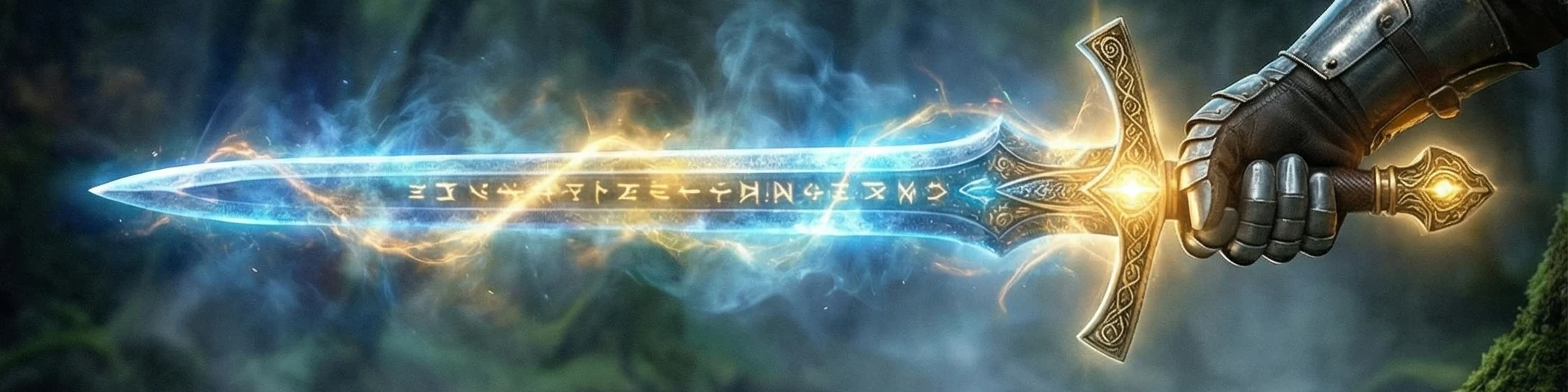
- Excalibur (King Arthur Legends): Excalibur needs no intro. From classic films to fresh takes, this sword is known for choosing only the worthy. Pulling Excalibur out of the stone or receiving it from the Lady of the Lake? That’s serious movie magic. Films like “Excalibur” (1981) and plenty of TV specials focus on the sword’s power, its connection to Arthur’s destiny, and the idea of fate. It’s hard not to be captivated by the tale of a sword that gives its wielder both legitimacy and responsibility.
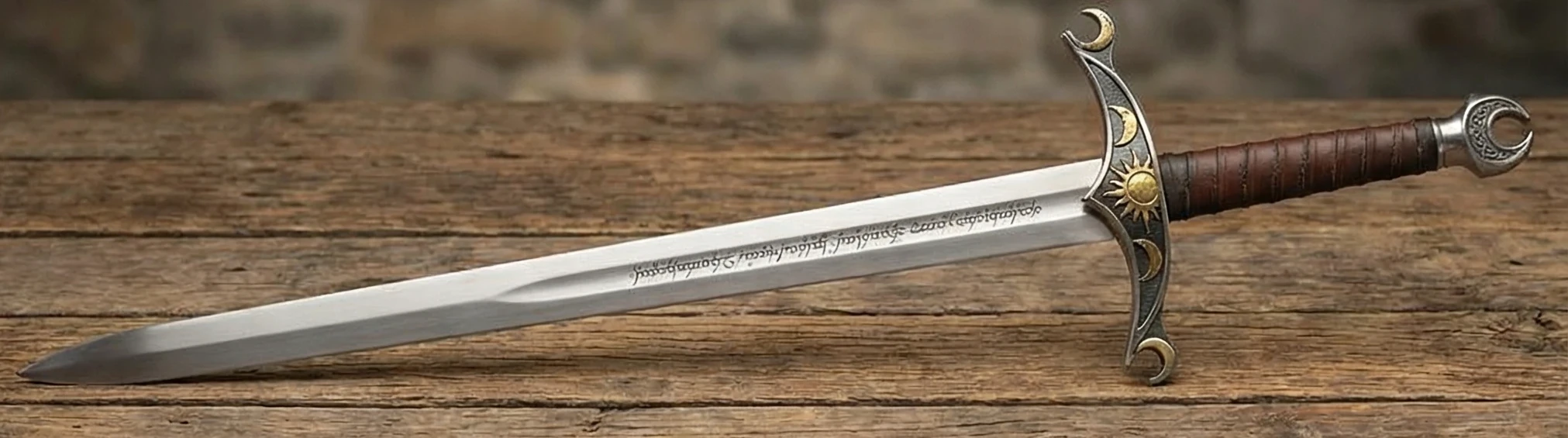
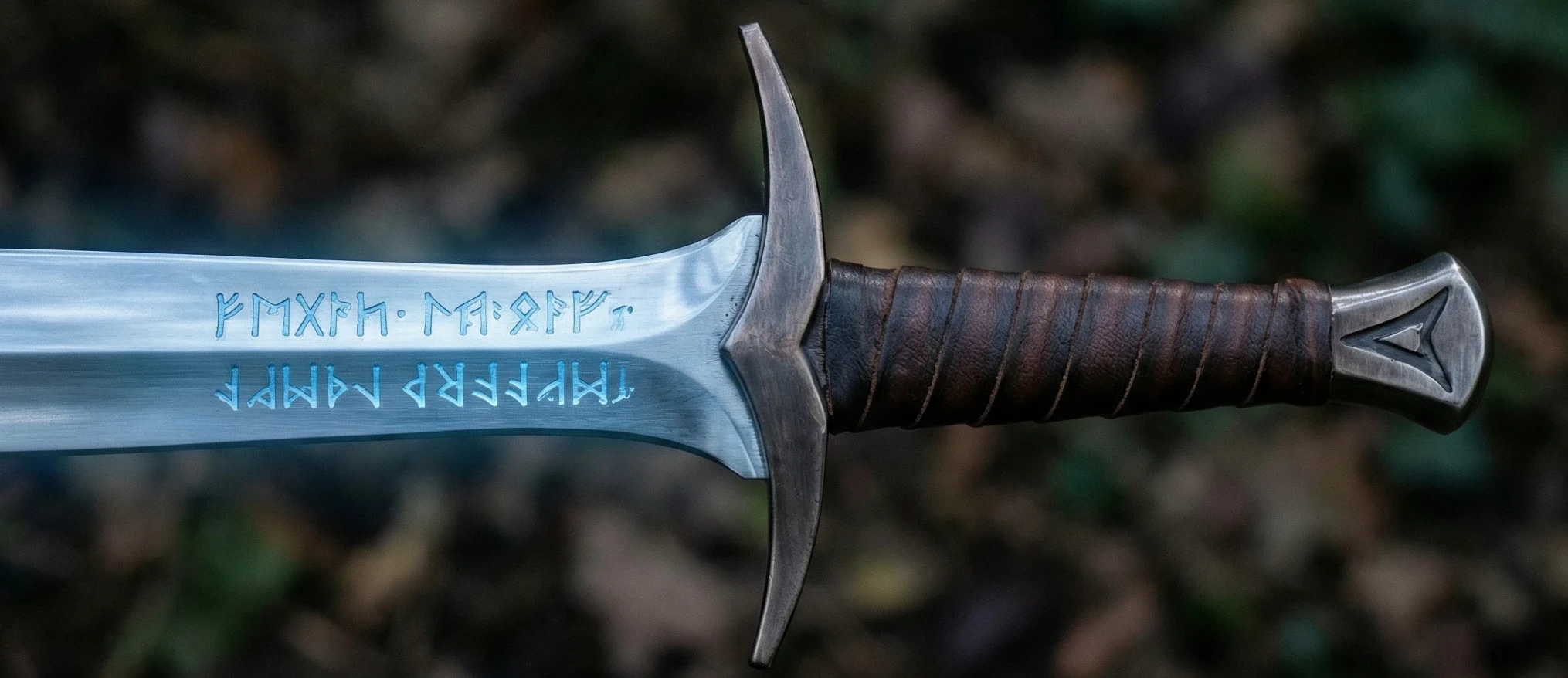
- Andúril & Sting (The Lord of the Rings and The Hobbit): In Peter Jackson’s Lord of the Rings and Hobbit films, swords aren’t just background props; they’re legends in their own right. Aragorn’s Andúril, reforged from the sword that cut the Ring from Sauron’s finger, stands for hope and kingship. Bilbo’s and later Frodo’s Sting is another fan favorite. This little blade glows blue near orcs, which ends up being pretty handy during close calls. The way these swords are shown turns them into essential ingredients of the story’s magic.
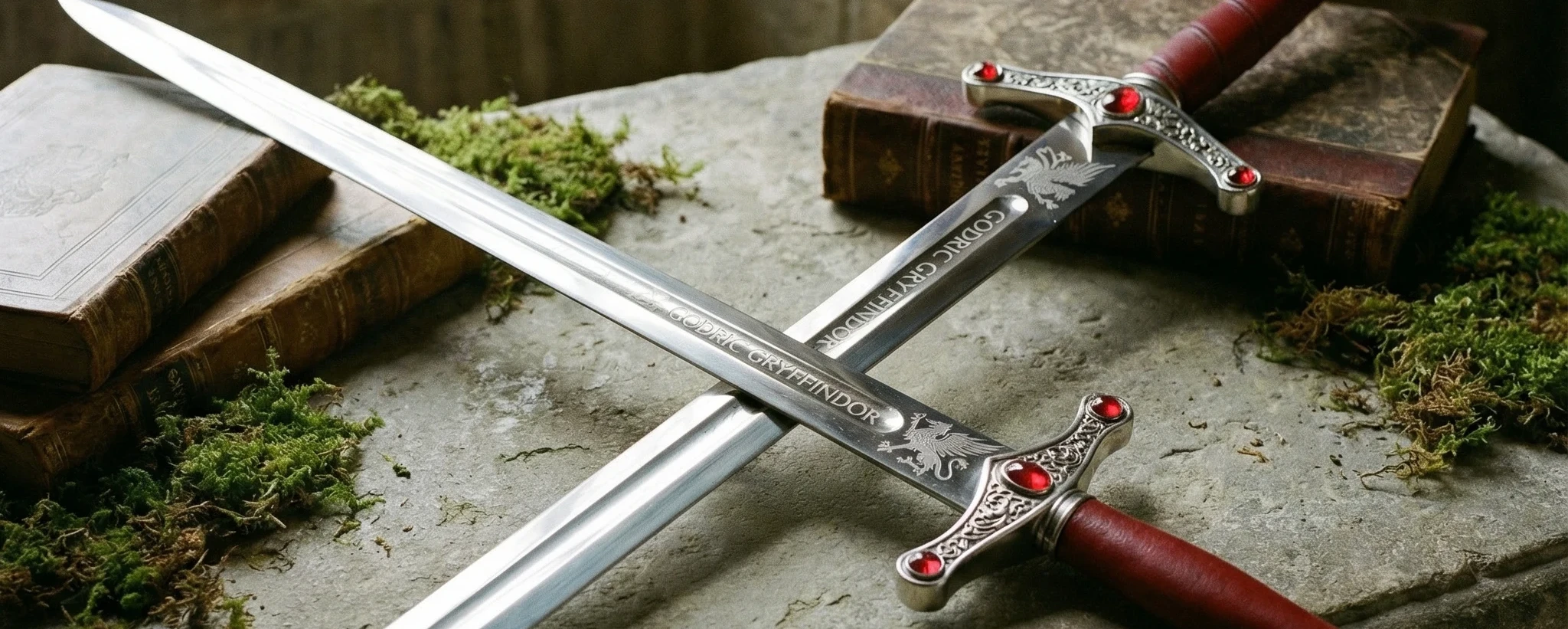
- The Sword of Gryffindor (Harry Potter series): This goblinmade sword can only be pulled from the Sorting Hat by a true Gryffindor in need, and it’s tough enough to destroy Horcruxes. In the movies, it pops up at the right moment for Harry and his friends, proving just how trustworthy a magical blade can be.

- Atlantean Sword (Conan the Barbarian): Conan’s massive sword is almost as iconic as his muscles. It’s a brutal, heavy blade that matches the gritty, primal feeling of Conan’s world. Plenty of fans have tried to recreate it in real life just because it looks so wild and untamed, making it a piece that truly stands out.
Swords From TV That Carved Out Their Own Legend
TV fantasy swords get plenty of love, too. Weekly adventures mean more time to build up sword lore and show off epic swordplay. Some of my favorites include:
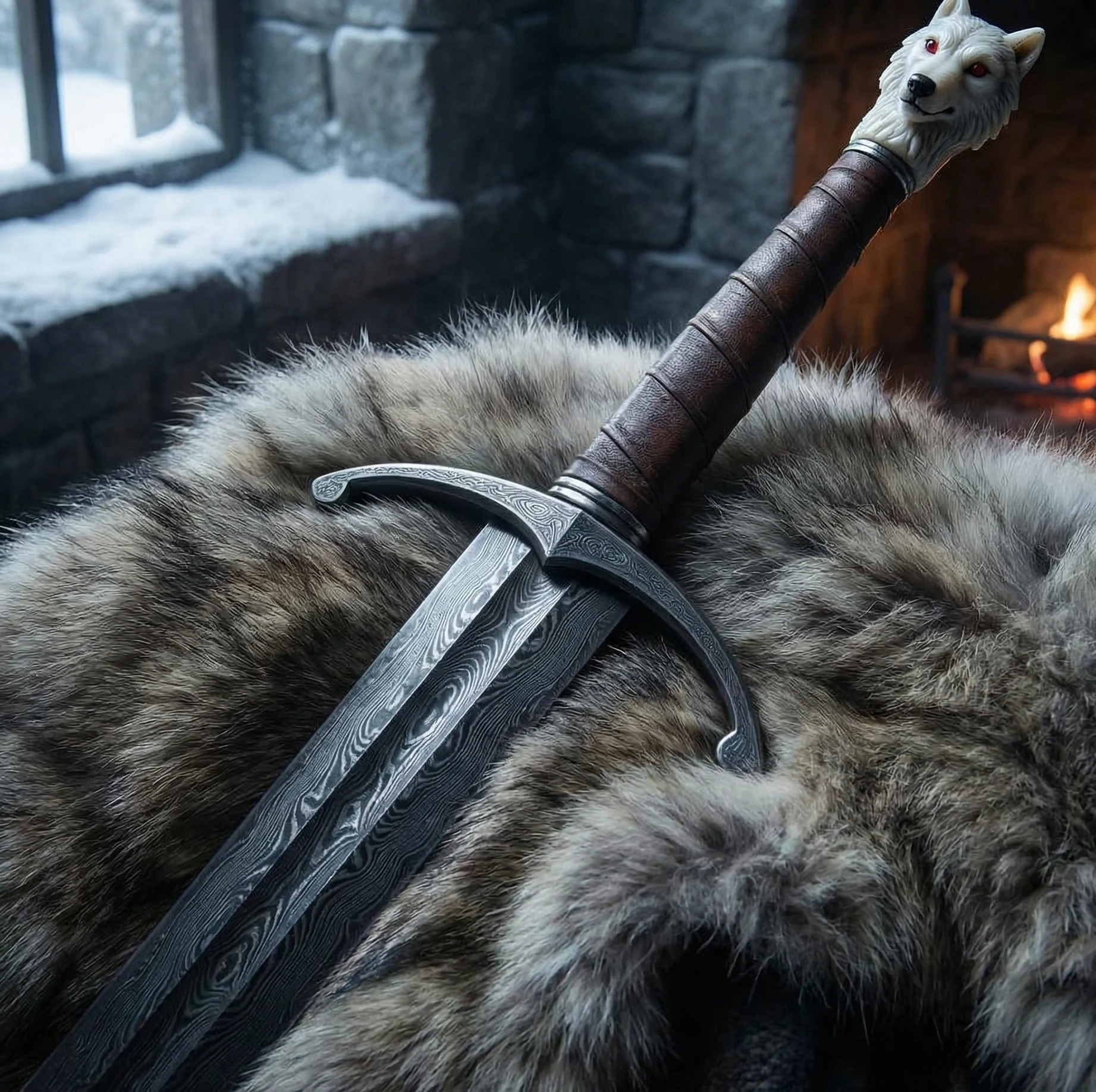
- Longclaw (Game of Thrones): Jon Snow’s Valyrian steel sword, topped with a white wolf hilt, is as much a symbol of trust and leadership as it is a tool for battle. The show spends a lot of time talking about Valyrian steel’s magical properties, making Longclaw a major prize. The sword’s appearance always builds excitement for Game of Thrones fans.
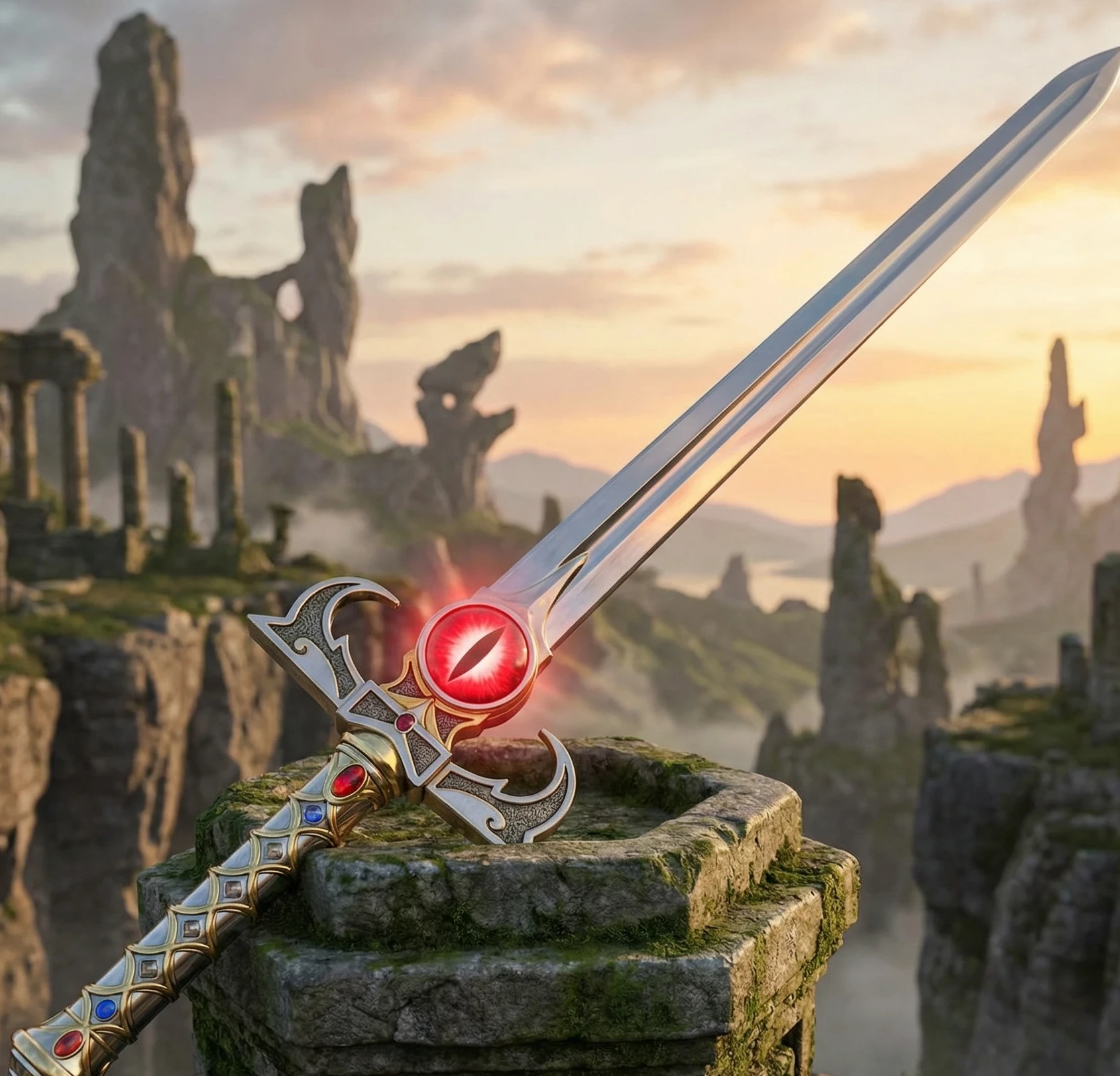
- The Sword of Omens (ThunderCats): Sword of Omens isn’t just a blade; it has a builtin Eye of Thundera and can grow or shrink on command. The “give me sight beyond sight” catchphrase became unforgettable for anyone who saw the show back in the day. This sword feels larger than life every time it appears.
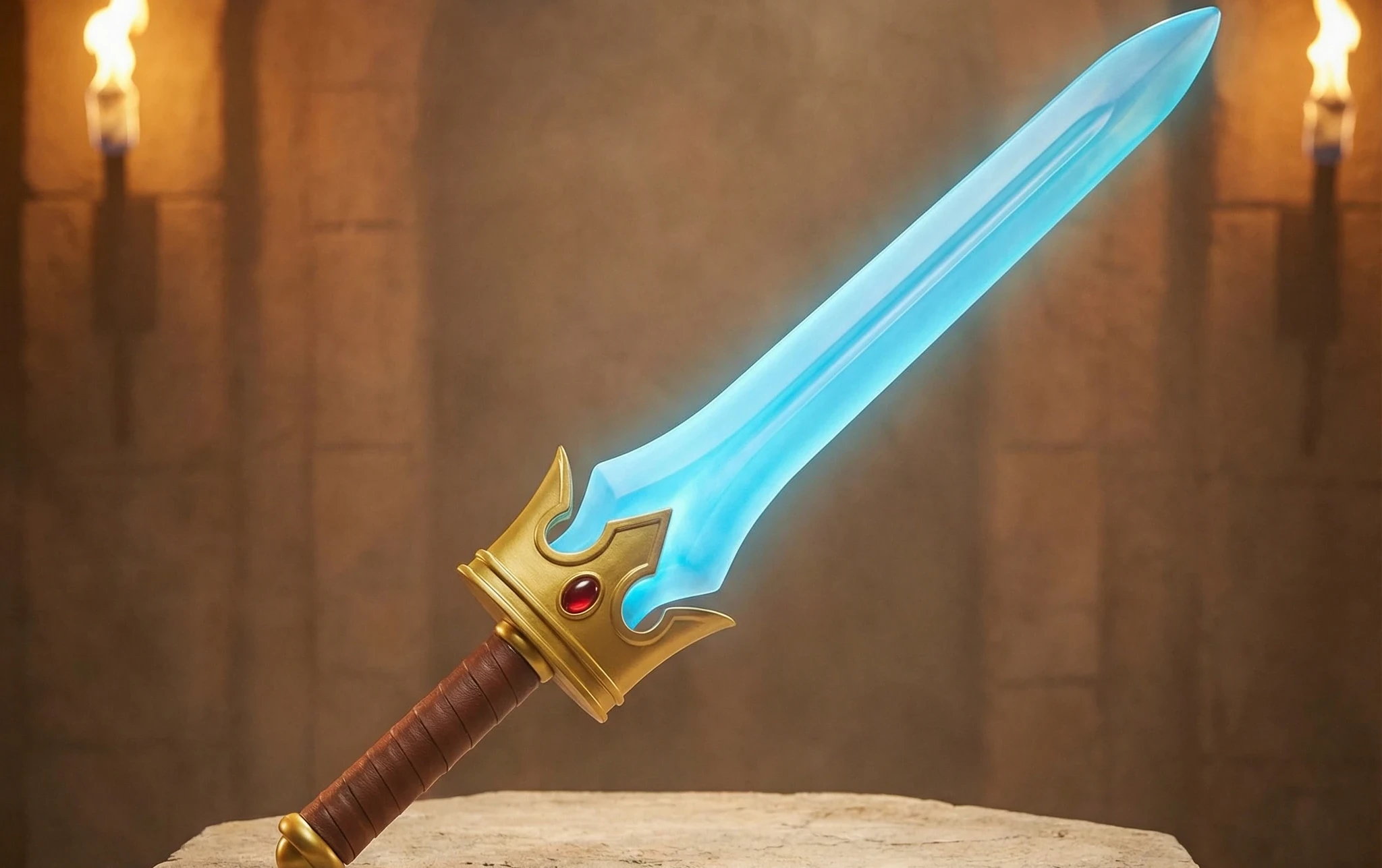
- He-Man’s Sword of Power (He-Man and the Masters of the Universe): “I have the power!” You know the line. The Sword of Power lets Prince Adam transform into HeMan. It’s campy, retro, and honestly a lot of fun even now. The sword is an essential part of He-Man’s identity, going well beyond its use as a weapon.
Video Game Fantasy Swords That Players Love
Picking up a sword in a video game feels different because you get to wield it yourself—sort of. Designers love adding elaborate backstories, glowing magical effects, and wild attacks. Some of gaming’s biggest swords have almost become characters themselves, and sometimes, they’re even more famous than the hero holding them.
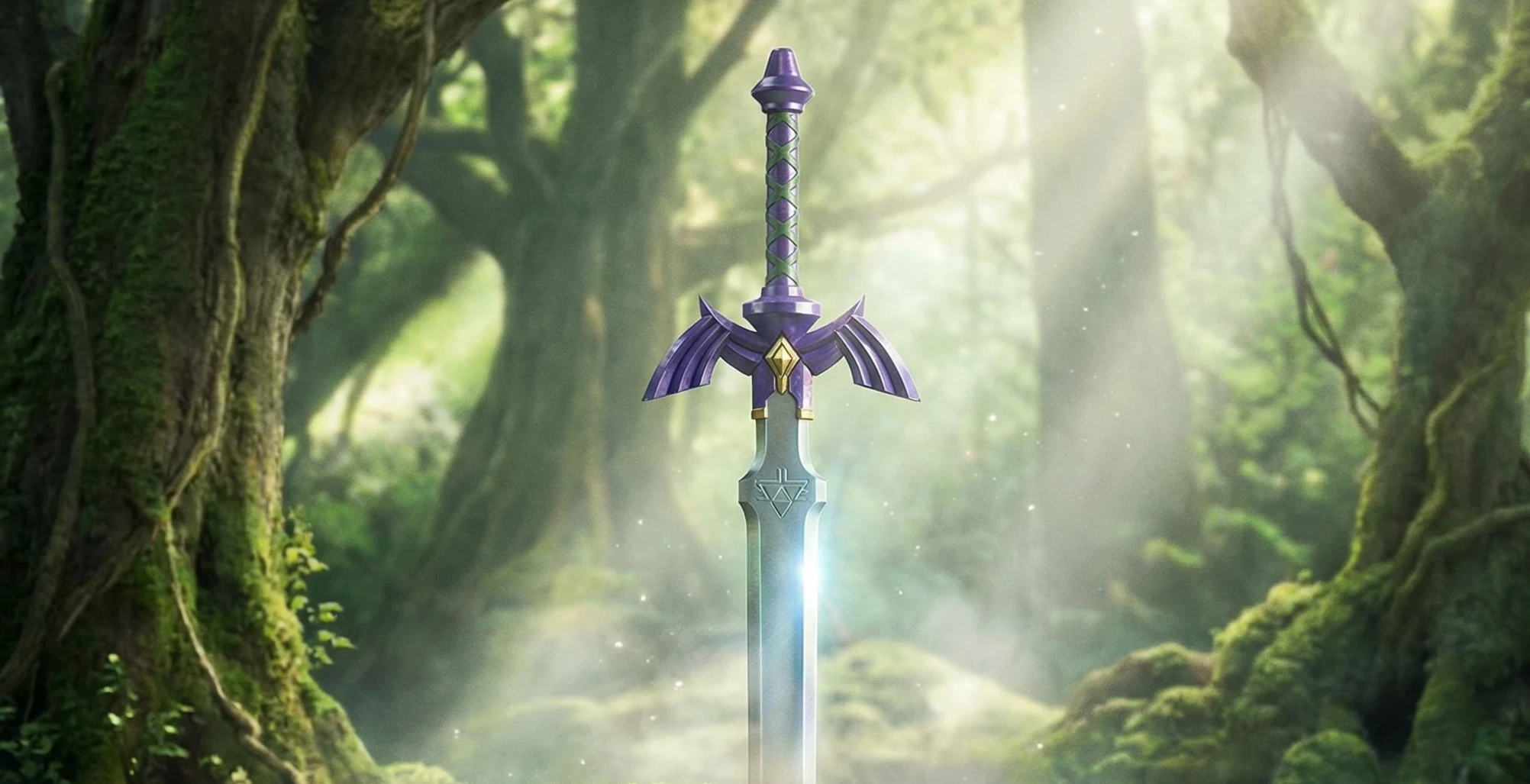
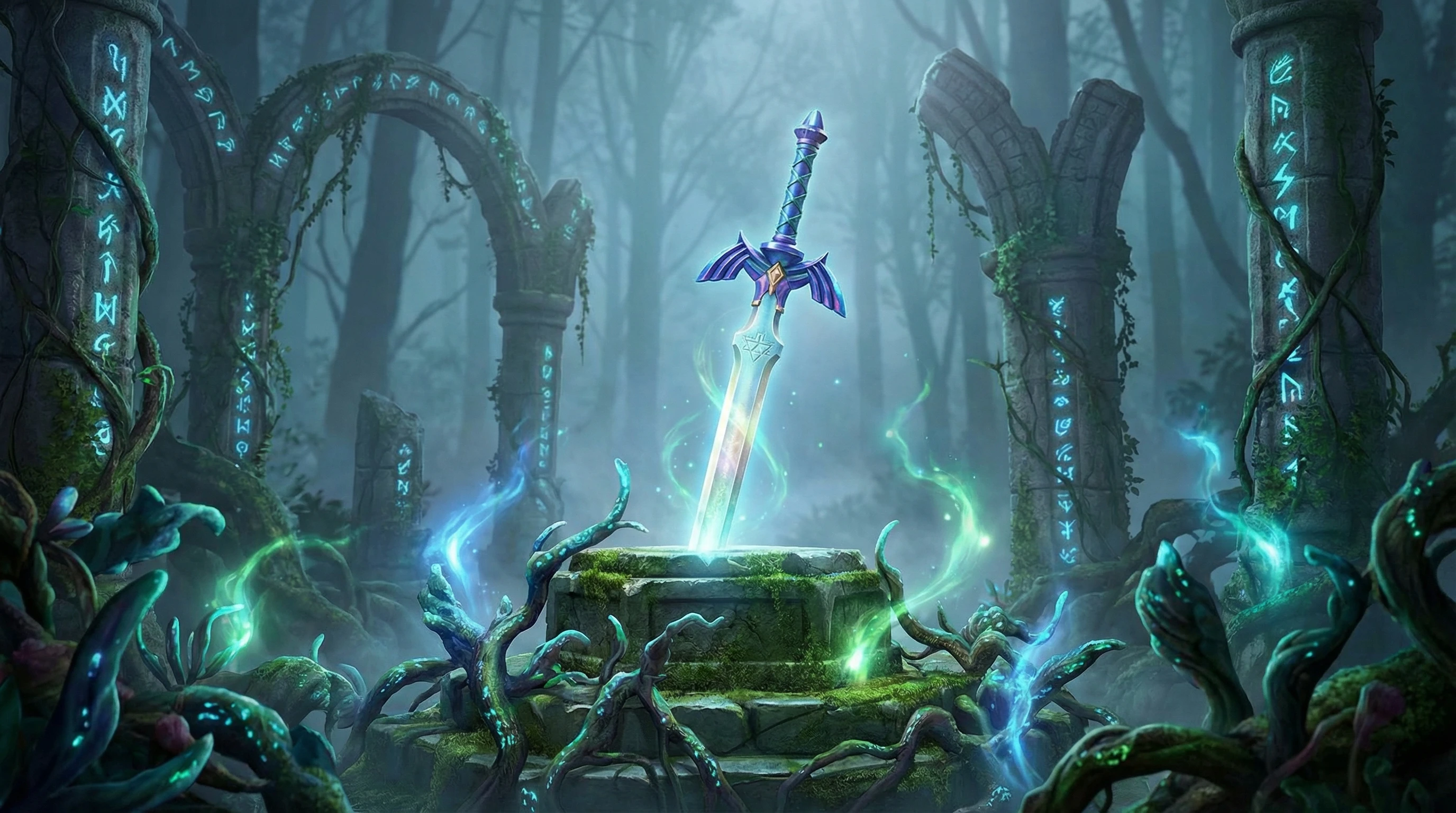
- The Master Sword (The Legend of Zelda): The Master Sword is easily one of the most recognized weapons in the gaming world. It’s called the “Blade of Evil’s Bane,” only revealed to Link when he’s truly ready for it. Every main Zelda game builds up the mythology behind this sword—it’s legendary for good reason, always at the center of Link’s adventure. Players feel a sense of accomplishment every time they earn the right to wield it.
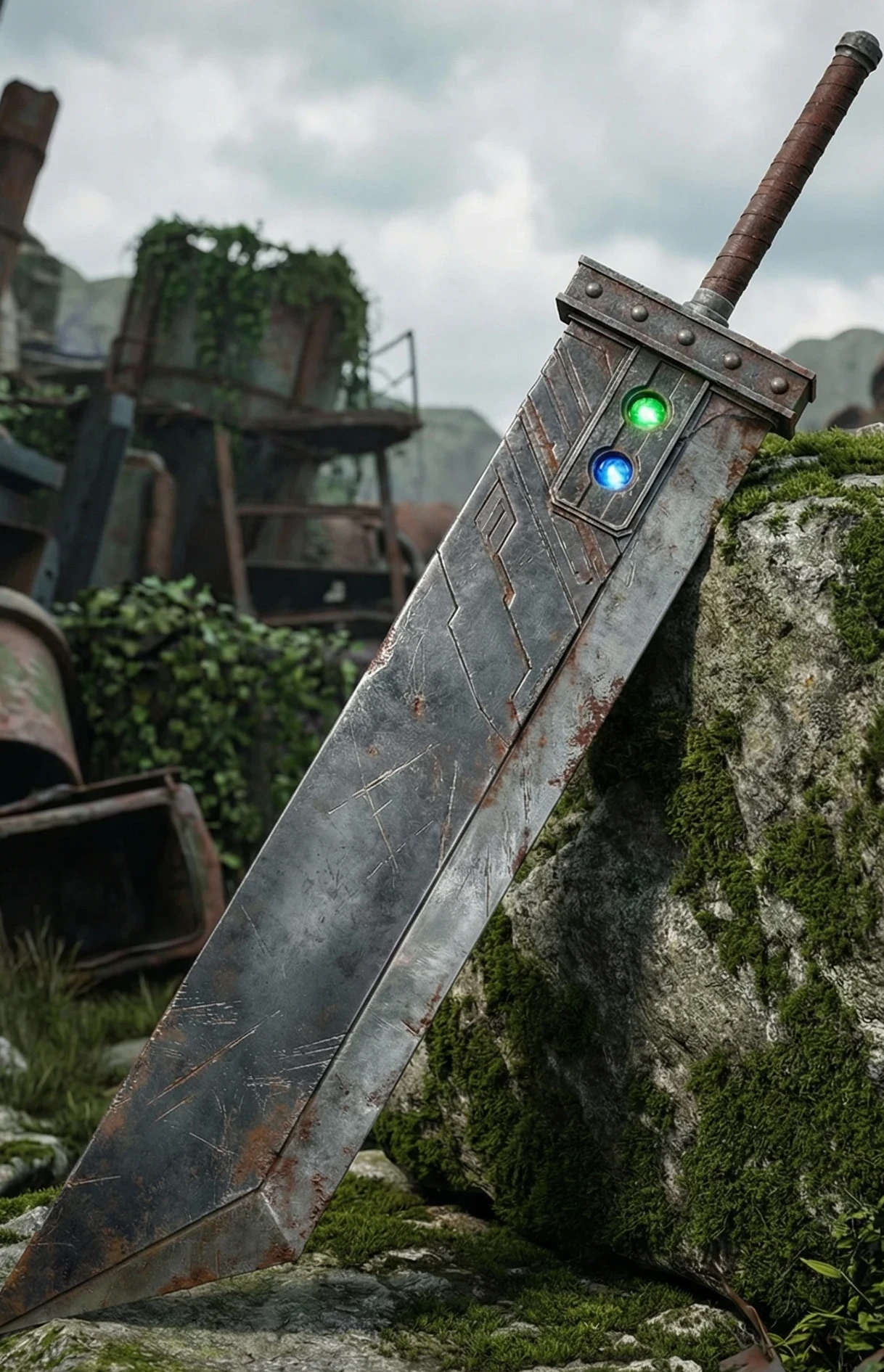
- Buster Sword (Final Fantasy VII): Cloud Strife’s massive Buster Sword is famous for being way bigger than it probably needs to be. But that’s partly why people love it. From the moment Cloud leaps from the train in the original Final Fantasy VII, the sword’s silhouette is unmistakable. The Buster Sword has also appeared in lots of spin-offs and crossovers, so its image sticks with fans far and wide.
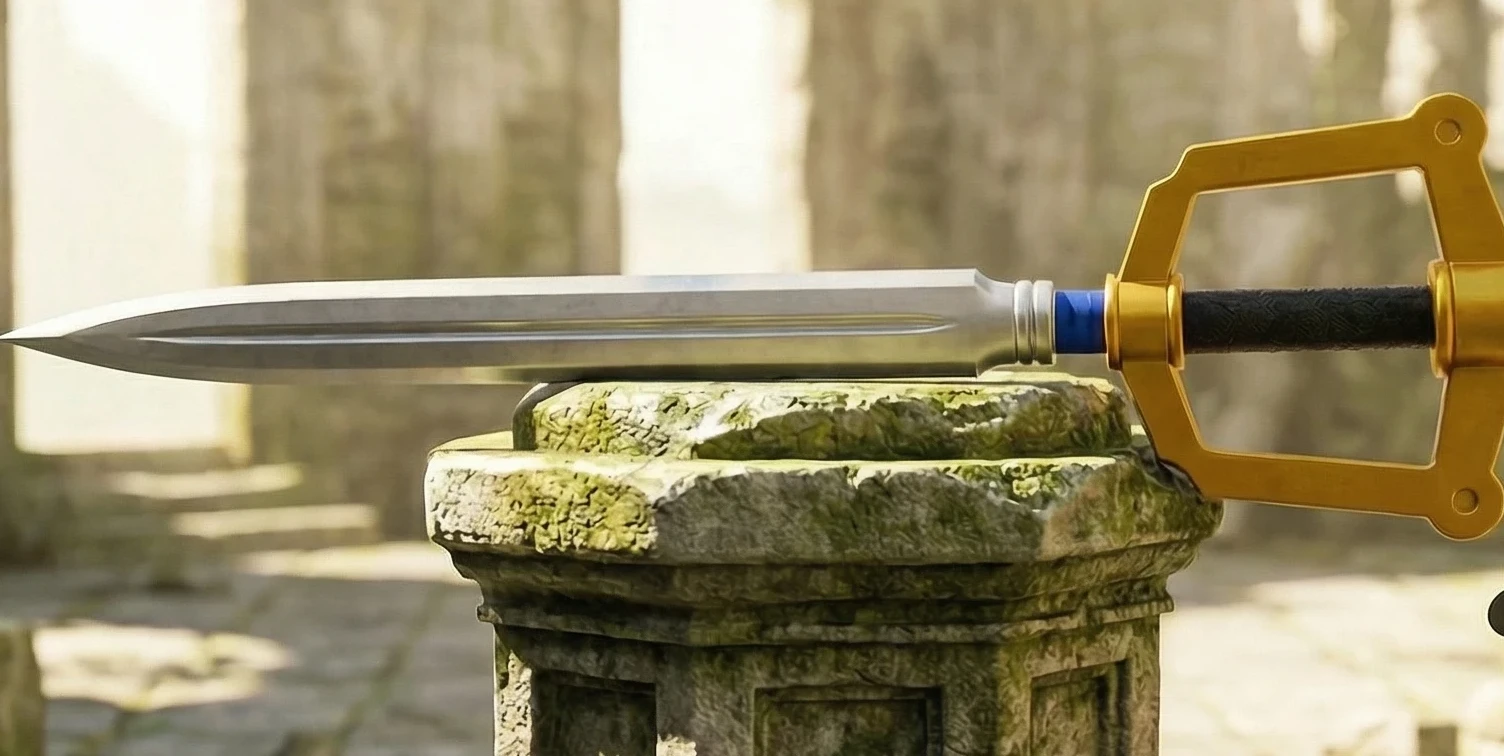
- Keyblade (Kingdom Hearts): The Keyblade works as both a sword and a literal key for all sorts of magical doors. In Kingdom Hearts, holders are “chosen” by the blade, which grows and changes as you unlock new abilities. As the series evolves, the Keyblade stands out as an iconic symbol and a tool for unlocking countless worlds.
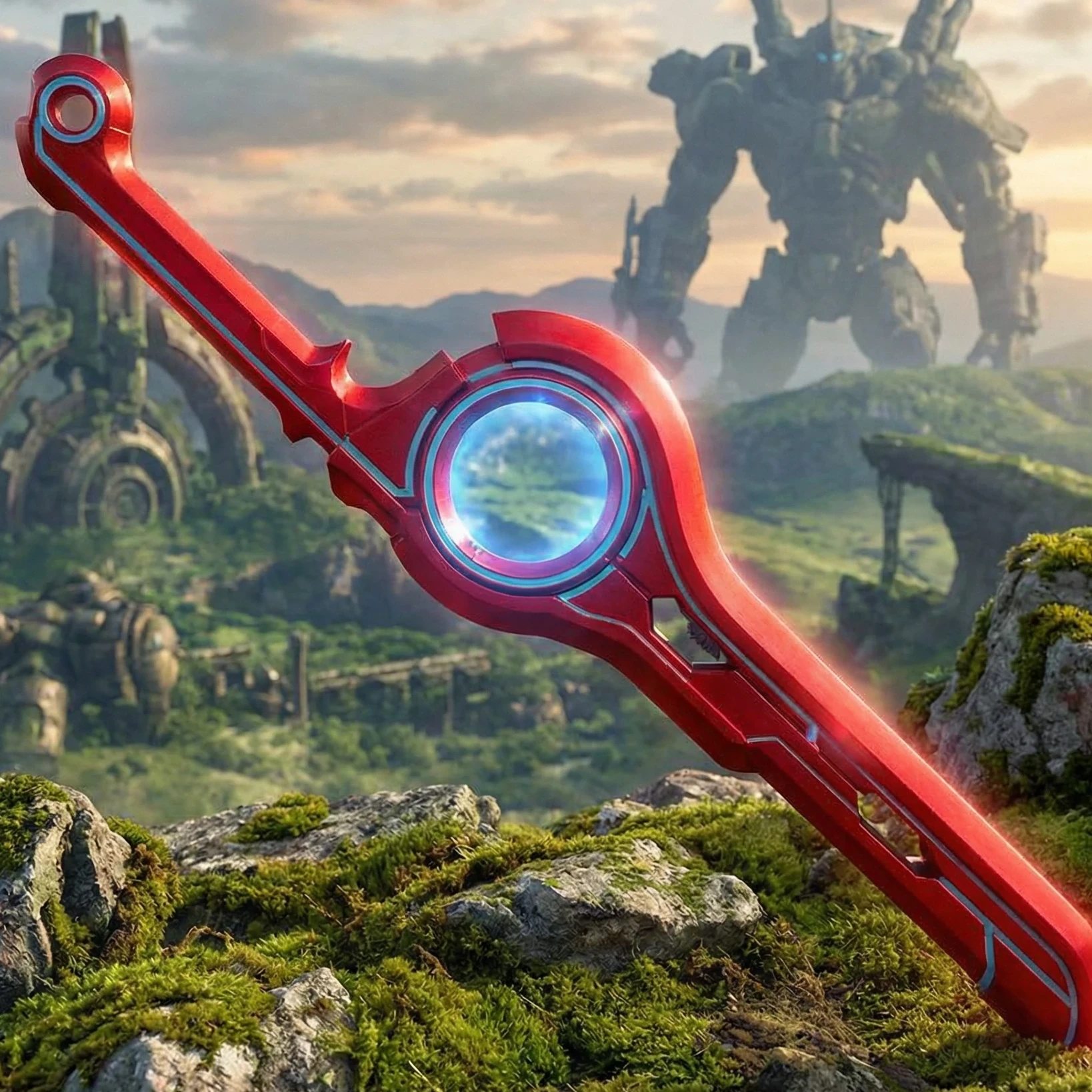
- Monado (Xenoblade Chronicles): The glowing, hightech Monado sword offers wild mechanics; players can literally see into the future for a couple seconds, which shakes up combat and story moments. It’s as much a plot device as it is a weapon, staying central to the tale’s vibe.
How Swords Get Their Icon Status
Most famous fantasy swords share a few things: a sense of mystery, some unique abilities, and a connection to the hero’s growth. These aren’t just weapons; they almost always spark transformation, reveal hidden truths, or push the story forward. Adding a subplot around a lost or forbidden sword keeps a story exciting and adds depth to the hero’s adventure.
Some swords are inherited, like Andúril or Excalibur, which makes them feel even more special and tied to legacy. Others must be “earned” by passing a test or showing real courage, which makes the payoff even sweeter when the hero finally gets to wield them. These elements help keep the stories and their heroes feeling fresh, as they continue to attract new fans.
Practical Collecting and Replicas
The love for fantasy swords doesn’t stop on screen or in games. Replica swords, both decorative and functional, are really popular with fans. Collectors can easily find versions of Excalibur, the Master Sword, or the Buster Sword almost anywhere online. Many people proudly display them, while others use them for cosplay or at conventions. Displaying a replica isn’t just about owning a piece of fiction—it becomes a point of connection to a favorite story.
Before buying, it’s smart to check into safety, handling, and maybe even local rules if you want a real metal blade. Some companies team up with movie studios or game publishers to deliver spot-on likenesses straight from your favorite stories, which makes the collecting scene even more fun and authentic. Whether resin, foam, or metal, these replicas let fans bring a piece of their favorite world home.
Real-World Sword Design vs. Fantasy Flair
Fantasy swords usually throw out the rulebook when it comes to real weapon design. Oversized blades, glowing runes, or impossible edges—none of that would survive an actual fight. Still, these design choices give each sword a big personality. The Buster Sword, for example, looks absurdly heavy, but it instantly shows off Cloud’s tough persona and largerthanlife adventure.
For anyone interested in martial arts or historical swordsmanship, it can be neat to compare what’s seen in movies or video games to real sword types. Some fantasy designs draw inspiration from real cultures and eras. For instance, Excalibur often looks similar to medieval arming swords, while Zelda’s Master Sword pulls bits from European longsword styles. Comparing these can spark a deeper appreciation for both history and imagination, letting each world shine in its own way.
Frequently Asked Questions
Which iconic sword would I most like to own as a replica?
If I had to pick one, I’d probably pick the Master Sword from The Legend of Zelda. It’s so recognizable and just feels packed with magic and nostalgia. It would definitely be the centerpiece of any collection.
Are there any real-life swords that inspired fantasy designs?
Lots of fantasy swords borrow from real blades; medieval longswords, Japanese katanas, and even scimitars show up in new forms. The key is the extra flair that makes each fantasy weapon unique, blending familiar designs with fresh looks and powers.
How do you tell if a sword in a movie or game is a “fantasy sword” or based on real history?
If the design does something impossible—like glowing when monsters are nearby, sealing magic, or defying gravity—it’s usually a fantasy creation. Some swords are more grounded, just with an added twist or magical legend, making it fun to track down the line between real and imagined.
Fantasy Swords: Still Captivating New Generations
From ancient legends to brand-new games and shows, fantasy swords keep finding fresh ways to capture our attention. These blades shape entire franchises, fuel hours of debate among fans, and still find new homes on bookshelves and gaming desks. If my own obsession with fantasy swords is anything to go by, they’ll always have a home in pop culture. Next time you see one on screen or in a game, just picture the legacy and stories behind every gleaming blade. It’s a world that never stops growing, and there will always be a new sword, legend, or adventure waiting just around the corner.