Chainmail and plate armor are some of the most recognized types of historical body armor, and both have been around for centuries. If you’ve ever watched a medieval movie, played a fantasy game, or enjoyed reading up on old battles, you’ve probably seen knights in shiny plates or nimble warriors in their woven ring mail. Picking which was better isn’t so simple. Understanding the real differences comes down to how these armors performed in battle, how people actually wore them, and the everyday situations knights and foot soldiers faced.
Overview: Chainmail and Plate Armor in History
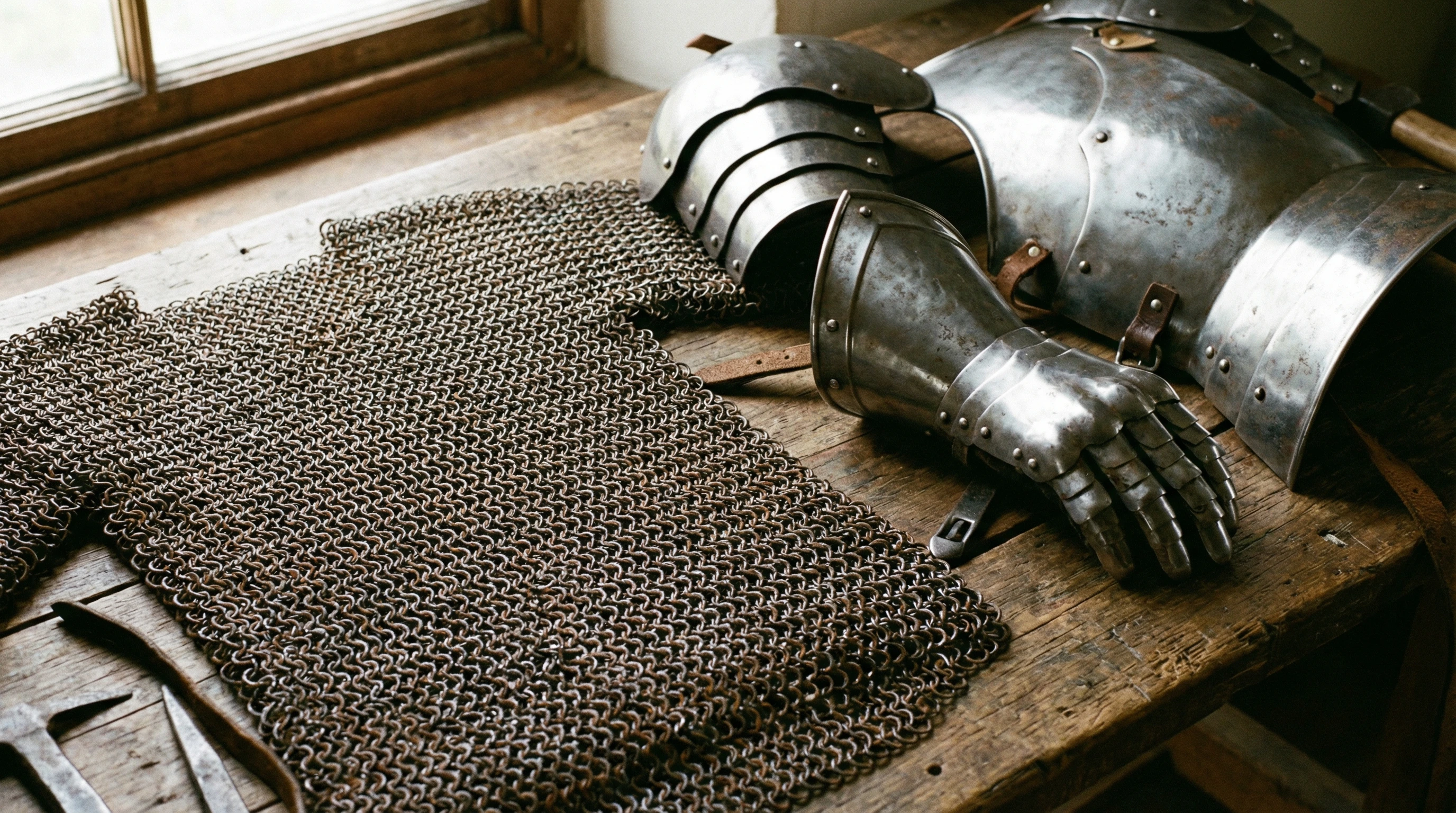
Chainmail, sometimes called just “mail,” became popular way before full plate armor. Its primary setup is a mesh of small metal rings, all connected together in a flexible pattern that covers the body. Early records of chainmail show up as far back as 300 B.C. in Europe, and it stuck around in various forms for centuries.
Plate armor appeared much later and began seeing use in Europe around the 14th century as weapon technology changed. Plate armor uses large pieces of solid metal, shaped to fit around different parts of the body. Once the skill for making big steel plates improved, armorers could offer much more protection against blows and especially against new weapons like crossbows and firearms.
Main Differences Between Chainmail and Plate Armor
Breaking down chainmail vs. plate armor isn’t just about looks. The big contrast is about how much coverage you get, the flexibility you keep, and the level of protection. Here’s a close look at some of the core features:
- Material: Chainmail is made of thousands of interlinked iron or steel rings. Plate armor uses thick, shaped plates of steel or sometimes iron.
- Coverage: Chainmail can cover wide sections of the body but usually leaves gaps at the face, armpits, and joints unless paired with a padded underlayer. Plate armor is designed to cover nearly every inch, with articulated joints for movement.
- Weight: Both armor types are heavy, but chainmail distributes its weight over a big area and is surprisingly comfortable for long marches. Plate armor is often heavier in total but balances the load between body parts.
- Protection: Chainmail is excellent at stopping cuts and slashes. Plate armor gives stronger resistance to blunt force and piercing attacks.
Advantages of Chainmail Armor
- Flexibility and Freedom of Movement: Chainmail bends with the body, so running, crouching, and twisting aren’t too restricted. This is super handy for foot soldiers who need to stay mobile or for cavalry riders looking for agility.
- Good Against Cuts: The interlocked rings are great for shrugging off sword slashes or accidental nicks. Animals and lighter weapons have a harder time getting through.
- Adaptable and Layerable: Chainmail fits over different body shapes and outfits. You can even put padded layers underneath for more comfort or protection.
- Repairable: When a few rings break, it’s pretty simple to patch mail up in camp with some pliers and spare rings. It doesn’t require a specialized blacksmith every time it gets damaged.
From my own time at historical reenactment events, I remember just how much more flexible chainmail feels. Marching and mock fighting in chainmail left my arms and shoulders less sore than plate, especially on longer days. While it can get sweaty, it isn’t nearly as restricting as some modern gear I’ve tried. Chainmail’s flexibility allows easier movements compared to the “locked-in” sensation that comes with heavy plate armor.
Disadvantages of Chainmail Armor
- Poor Protection Against Thrusts: Pointed weapons like arrows, spears, or thin swords can push through the gaps, especially at close range. Chainmail won’t do much against a crossbow bolt or a strong thrust.
- Blunt Force Trauma: Even if a weapon doesn’t cut, the force behind a mace, hammer, or club gets transferred straight to your body. Padding can help, but bruises are basically guaranteed.
- Heavy and Fatiguing: Chainmail spreads the weight, but wearing over 20 pounds for hours is still exhausting, especially without regular training.
- Maintenance: Chainmail requires steady care to keep it from rusting. Every link needs oil or grease if you want to keep it in fighting shape.
One thing many reenactors agree on is that, while chainmail gives some nice freedom of movement, the constant presence on your shoulders leads to gradual fatigue. The sound of the rings clinking as you walk is fun at first but can be a hassle after hours of marching. Keeping it rust-free is a chore, too, as each ring needs attention.
Advantages of Plate Armor
- Superior Protection: Plate armor can shrug off arrows, sword blows, and even early gunfire in some cases. Full suits cover almost the entire body without vulnerable gaps.
- Deflecting Blows: The smooth, curved surfaces of plate pieces are designed to angle attacks away, which helps when dangerous weapons like axes or halberds come swinging at you.
- Reduces Blunt Impact: Thick metal layers absorb a great deal of shock, so you feel less of the hit compared to chainmail. Combined with good padding, you really notice the difference, walking away with fewer bruises after a hard strike.
- Intimidating Appearance: Plate armor looks imposing in battle, and historical sources often mention the psychological effect armored knights had on opponents. Just standing across from a line of plate-armored knights could make enemies hesitate.
Modern experiments with reconstructed plate armor have shown that people who train with it can run, roll, and jump far better than you might expect from looking at the heavy metal suits. It’s hot and kind of claustrophobic at first, but over time you actually get used to wearing all those layers.
Disadvantages of Plate Armor
- Expensive to Make: Forging good plate armor was time-consuming and required specialized skill, which meant only wealthy knights or royalty could afford it.
- Weight Distribution: Even though plate armor is balanced, it’s still heavy, so your legs and shoulders carry extra load. That makes long chases or mounting a horse quickly tougher.
- Restricted Movement: Despite what some movies might show, plate definitely does limit movement. Certain acrobatics, high jumps, or crawling through tight spaces are very challenging.
- Hard to Repair in the Field: If a plate gets dented or broken, fixing it is a headache and needs a trained smith rather than just some simple tools.
Another drawback is that fitting into plate armor required precise measurements. Off-the-rack armor was rare, so knights usually had custom pieces made, contributing to the high cost and exclusivity. When damage occurred in the field, soldiers were often out of commission until they found a capable smith.
Everyday Use and Comfort
Wearing armor wasn’t just for the “fighting only” scenarios. Knights and soldiers had to walk, ride, eat, and sometimes even sleep in their gear during a campaign.
- Chainmail was often worn with a thick padded tunic called a gambeson. This padded layer added warmth and prevented chafing, making long wears easier.
- Plate armor suits included built-in hinges, straps, and padding. While hot in summer, they allowed for a surprising amount of controlled movement and offered a “cocooned” sense of security.
I’ve experienced both during living history events, and while chainmail puts steady weight on your shoulders, plate armor makes you feel protected from almost everything, though it can bake you in the summer sun. People often ask about heat — plate gets much hotter, so having water and a chance to cool down really helps with comfort.
Which Was More Common: Chainmail or Plate Armor?
Chainmail had a much longer period of use across different cultures and classes. Warriors from Europe to Asia used mail in different forms. It was easier to make and didn’t need as many specialized tools. Plate armor became popular with the wealthy from the 14th century onward but remained out of reach for most due to the cost. Even in the age of plate, regular troops often stuck with mail or a mix of both. Hybrid setups, such as plate breastplates with mail sleeves, were quite common and offered a balance of protection and flexibility.
It’s interesting that, even when plate armor was at its peak, lots of soldiers kept using chainmail for the areas that were tough to cover with solid plate. This combination strategy allowed them to protect key parts while staying relatively agile and avoiding the massive cost of a full set of plate.
Common Questions About Chainmail and Plate Armor
Folks often want to get more detailed comparisons when thinking about chainmail and plate armor. Here are some answers to popular questions:
Is chainmail or plate more comfortable?
Comfort really depends on fit and what you’re doing. Chainmail allows for more movement, but can dig into your shoulders over time. Plate armor distributes weight better, but can get hot and sometimes pinches. Both require some getting used to, and dedicated padding is a must.
Can chainmail stop bullets?
Chainmail was never made for firearms. Even early guns could easily go through mail, which played a big part in why plate armor got developed further. As firearms improved after the 16th century, even plate armor stopped being effective and eventually fell out of use.
Could regular soldiers afford plate armor?
Only the wealthiest fighters or knights could pay for a full suit of plate. Most regular soldiers had mail, partial plate, or just leather and padding. Many armies mixed armor types depending on resources and status.
How to Decide Which Armor Was “Better”
Which armor comes out on top really depends on what you needed on the battlefield. If staying agile mattered, chainmail was practical and easier to manage. If full-body protection was absolutely necessary, plate was the way to go, especially as weapons advanced. Even today, seeing both used side by side in reenactments sheds light on how much the situation and context matter.
If you’re thinking about historical reenactment, fantasy gaming, or you just want to get a closer look at armor for creative projects, it’s worth trying on examples of both if you get the chance. Nothing beats the real, hands-on experience for understanding how medieval armor worked — and what it felt like to wear it all day.
For anyone fascinated by the past, armor is more than just old metal; it’s a story about how people worked, fought, adapted, and found new solutions as times changed. Whether you lean more toward chainmail or plate, getting a feel for both can spark all sorts of new interests in history, engineering, and even the challenges of comfort and style back in the day. Bottom line: the best armor depended on who you were, what you faced, and what you could afford — there’s no one “right” answer, but now you have a solid foundation to spot which worked best for different people in history.