Dwarven axes and hammers are more than just weapons; they’re the heart and soul of dwarven culture, filled with generations of tradition, hidden techniques, and loads of pride. People always talk about how strong and heavy these tools look, but there’s so much careful skill behind every spike, blade, and engraved rune. Let’s step behind the scenes of how these legendary pieces get made, why certain choices matter, and what makes a dwarven weapon feel like a treasure passed down through the ages.
The Core Materials Behind Dwarven Craftsmanship
You can’t really talk about dwarven axes and hammers without digging into what they’re actually made of. Dwarves aren’t the type to settle for just any old chunk of iron; they’re super picky, and for good reason. They often search deep into mountains for rare ores like mithril, adamantine, or starforged steel. These alloys do more than just look good; they give weapons extra durability, a natural shine, and a bit of prestige too.
Forging with these metals isn’t easy. Mithril, for example, is lighter but just as strong as steel, making it great for a weapon that needs force and speed. Adamantine is tougher to shape, but once formed, it’s nearly impossible to break or bend. Not every clan uses the same ore, and many dwarves argue their mine produces the best stuff.
Another big detail: dwarves mix some trace elements and secret minerals into their iron, giving each weapon a slightly different color or texture. If you spot a hammer with a faint green or blue tint, that’s usually a family recipe at play. There’s a true art to blending minerals—sometimes the secret ingredient is only passed down to the next smith in hushed tones during festivals under the mountain.
For those wondering, these ores aren’t just rare; they often carry stories of the clan’s greatest discoveries and hardest battles. Finding a vein of star-forged steel or unearthing a lode of adamantine is celebrated with days of feasting, and every weapon crafted from that material becomes part of the group’s legend.
Traditional Methods Passed Down Through Clans
There’s something really special about how dwarves pass on their forging skills. Stories are told right beside the anvils, and youngsters learn by watching their elders for years before they start on their own projects. Most steps wouldn’t look out of place in a master blacksmith’s shop, but dwarves add custom twists every step along the way.
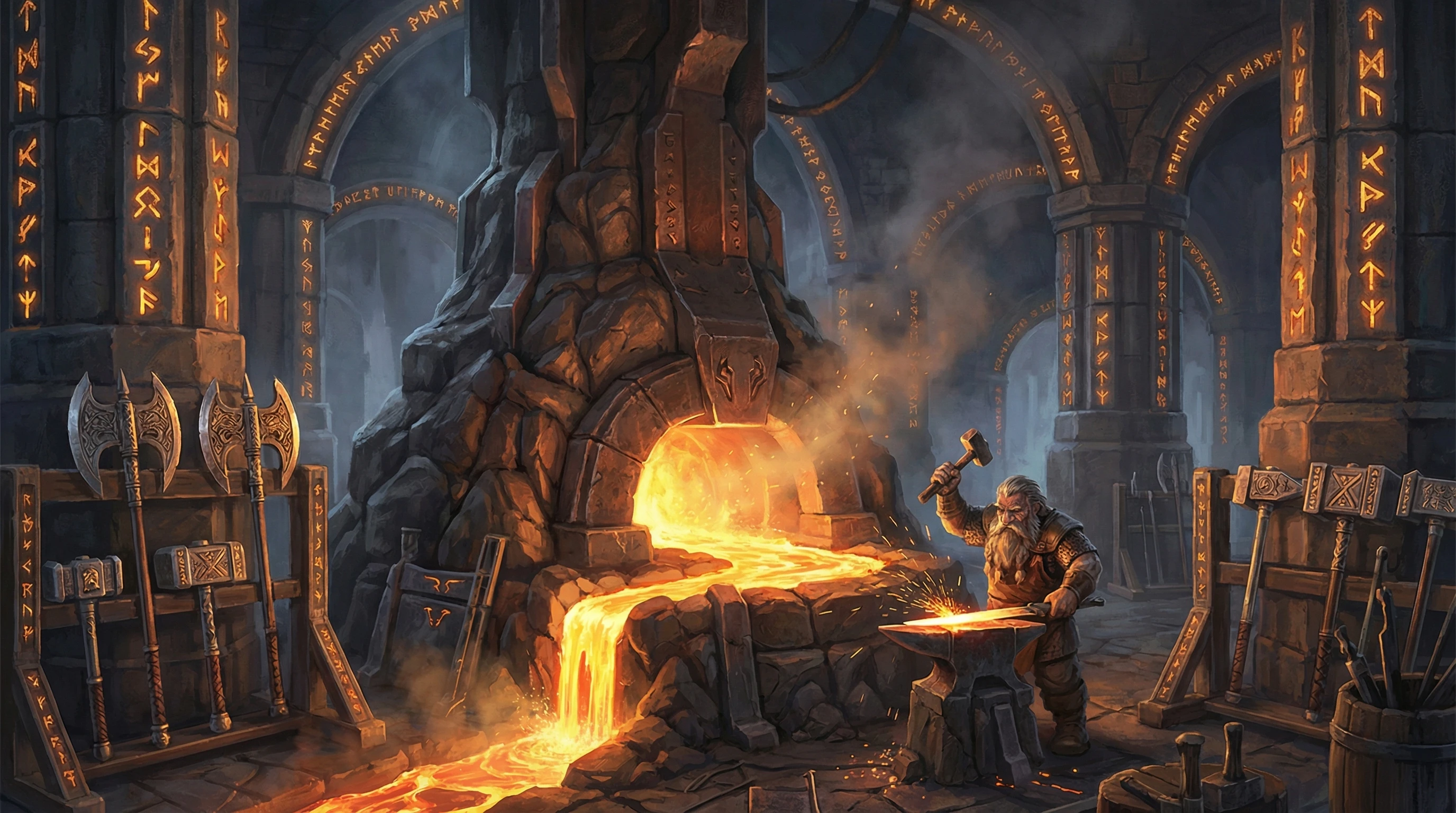
The process starts with preparing the ore—heating it in stone furnaces powered by underground lava vents or special coals brought from deep caves. There’s a lot of careful temperature control; too hot or cold, and the metal just won’t take on the properties they want. Sometimes, a forge master will even use enchanted coals said to burn with ancestral power to get just the right heat.
Forging itself feels almost sacred. Instead of mass-producing weapons, each axe or hammer is drawn out, hammered, and shaped by hand. Folding, repeated quenching, and special hammer strikes are skills learned by doing, not just reading. It all blends together science and what seems like old-fashioned magic.
Over generations, tiny tweaks creep in—maybe a certain hammer technique gets a unique twist, or a quenching bath is flavored with rare mountain herbs. Each smith’s touch adds subtle variations, so you can often spot which family made a weapon at a glance.
Key Design Features of Dwarven Axes and Hammers
Design isn’t only about making these weapons look intimidating. Every curve, ridge, and edge has a job. Dwarven axes typically have wide blades and a slightly forward-heavy shape, making them great for both chopping and cleaving through armor. Hammers, meanwhile, lean toward blocky, weighty heads that are perfect for smashing shields or knocking down stone walls.
What’s really interesting are the details: double-headed axes, hammers with spiked backs, and hand guards etched with clan emblems or protective runes. These aren’t just for show; a sturdy grip and a balanced weapon are key in tunnels where space is tight, and quick swings are a must.
Weight distribution can make or break a dwarven weapon. A smith spends hours balancing a hammer so the handle and head work in sync. That well-matched balance means more control with every swing, making these tools as deadly in a skilled fighter’s hands as they are in brute force situations.
Handles are fashioned for durability and comfort. They’re often reinforced with iron bands or covered in tough mountain leather. In some forges, crystal inlays or special stones are set into the pommel, adding ancestral symbolism and just enough weight for a solid grip.
Symbolism and Decoration: More than Just Tools
Dwarven weapons are never just plain metal. Owners almost always customize their axes and hammers with family symbols, personal mottos, or ornate patterns. In some clans, elders spend days carving runes of protection, luck, or strength into the blades and heads. These decorations are both signs of status and reminders of a weapon’s heritage.
Gems, gold filigree, or inlays of rare stones sometimes make their way onto ceremonial axes or hammers meant for special battles or feast days. While not every clan goes flashy, even the simplest weapon will have a mark that ties it to its maker and owner.
If you stumble upon a truly ancient dwarven axe or hammer, you’ll probably notice several layers of engravings—each generation adding its marks, victories, and personal touches. It’s common for a weapon to be handed down through the ages, with each new warrior updating the handle to fit their grip or adding fresh runes to the head.
These markings go beyond beauty. It’s widely believed that a blade with the right carving or symbol will protect its bearer, keep luck close, or remember the faces of those the weapon has defended. A weapon’s story grows with each owner.
Forging and Finishing Techniques That Matter
Finishing touches are where a dwarven smith gets to show real flair. After the weapon is forged and cooled, hours go into sanding, polishing, and sharpening the blade or hammer face until it practically glows under torchlight. Some techniques, like acid-edging runes or heat-bluing steel for extra defense, are family secrets rarely shared outside the workshop.
Handles can be simple oak or as elaborate as crystal-inlaid stone, depending on the weapon’s purpose. Many smiths wrap grips with boiled leather soaked in mountain oils, keeping them weather-resistant and easy to hold even during tough fights. These choices make sure weapons last for generations.
Some forgemasters “season” a new axe or hammer in a stone-lined pit or hang it in the clan furnace smoke for days. These rituals might look quirky, but they show respect for the craft and ancestors. Sometimes, a finished weapon is presented beneath the mountain’s oldest stalactites, with a brief ceremony to officially pass it to its new owner.
Common Questions About Dwarven Weapon Craftsmanship
People who spot one of these axes or hammers for the first time usually have a ton of questions. Here are some of the ones that come up most often:
How long does it take to make a dwarven axe or hammer from scratch?
A basic weapon takes several weeks to craft. Adding detailed runes, special finishes, or clan markings means a smith could spend even more time. Dwarves never rush; every step is about getting it right.
Why do dwarves focus so much on axes and hammers instead of swords?
Dwarves spend most of their lives underground, where space is tight. Axes and hammers are perfect for close-up fighting, busting through armor and stone, and even doubling as sturdy tools. It’s a practical choice as much as a cultural one.
How do dwarven weapons stay so sharp (or tough) compared to human-made ones?
The secret is in the alloys and careful heat treatment. Multiple rounds of folding, quenching in mineral oils, and regular maintenance keep weapons strong. Dwarves are big on upkeep—no axe or hammer goes long without a tune-up.
Are there secrets behind the runes and decorations?
Some runes are for tradition or pride, but others are thought to give real protection or luck. The actual meanings may only be known by the weapon’s owner and smith. Most families keep their rune recipes a closely guarded secret.
Real Examples of Dwarven Axes and Hammers in Use
In fantasy stories and games, dwarven axes and hammers turn up everywhere—almost always with someone who truly respects their gear. Imagine a battle in winding stone tunnels; a short axe swing or heavy hammer blow is just the thing for those close encounters or for bringing down a cave threat.
These tools are just as important outside of battle. They’re perfect for mining, building, or even ceremonial moments. There are legends of hammers passed down from miner to miner, each leaving a mark after a record-breaking day. Some axes spend their lives on display in clan halls as tokens of victory or signs of leadership.
- Heroic Battles: Famous dwarven generals charge through enemy lines with massive hammers or double axes, holding the line in a tight mountain pass or leading an assault on enemy strongholds.
- Artisan Smithing: Master blacksmiths craft axes for the champion of a festival or a hammer for a young warrior’s coming-of-age, each specially tuned to reflect its owner’s achievements and clan ties.
- Ceremonial Uses: At clan gatherings or festivals, richly decorated axes lead parades or are brought out to seal important agreements, sometimes even used to break bread in a sign of peace.
Wrapping Up: Why Dwarven Weapons Hold Up
Every time I think about the making of a dwarven axe or hammer, I end up with more respect for the patience, skill, and sense of legacy worked into every one. Making these weapons isn’t just about strength—it’s about crafting an heirloom that’ll see years of use, admiration, and hand-me-down stories. From the rare metals to the tiniest rune, all the details come together to make dwarven axes and hammers true works of art and trusty practical tools. If you ever spot one, remember: every scratch, mark, and swing tells a story, making them some of the most memorable weapons in fantasy worlds.
Want to check out more deep looks into fantasy craftsmanship or share your favorite legendary weapons? I’m always eager to hear from readers and fellow world-building fans. Reach out or drop a comment with your thoughts or stories!