Plate armor shows up a lot in movies and games, but it actually had a huge impact on real medieval battlefields long before it turned up on the big screen. Before full plate armor came around, knights and soldiers had some protection, but there were a lot more weak spots for arrows and blades to sneak through. Once plate armor started spreading, the game really changed for both attackers and defenders. Here, I’m covering how plate armor shaped the way wars were fought, what drove its glow-up, and what you’d notice if you stood on a medieval battlefield in the thick of things.
The Rise of Plate Armor: From Chainmail to Steel Plates
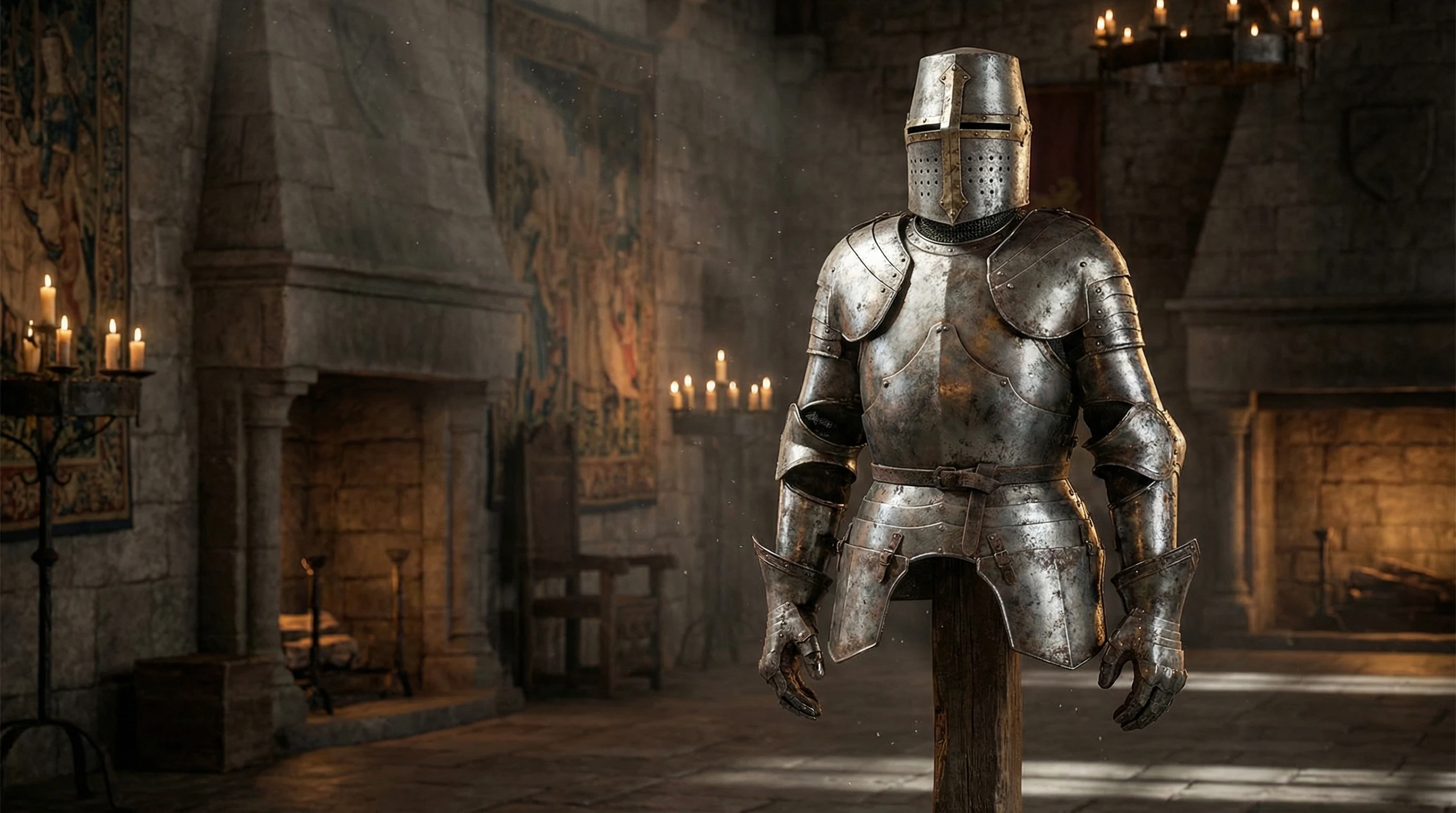
Medieval armor didn’t start as those dramatic suits of shining steel you see at Renaissance fairs. Early on, most fighters depended on chainmail (mail) linked together by thousands of rings, sometimes with padded jackets underneath. This weave helped against slashing attacks but didn’t do much to soften a hard stab or a powerful arrow. As weapons improved, so did the armor. Plate armor came together piece by piece over decades as smiths worked out new ways to keep warriors alive.
By the 14th and 15th centuries, smiths in places like Milan and Germany mastered the art of shaping steel into curved plates that could shrug off blows. Armor switched up from just a coat of mail to combinations of plates for the chest, arms, legs, and eventually fullbody suits. These changes didn’t just happen overnight but came in response to stronger bows, bigger swords, and more creative ways of breaking through defenses.
Plate armor isn’t just about adding more metal; smiths used clever design tricks to make strong pieces that stayed light enough for battle. Curving the metal at the right spots helped deflect arrows, and overlapping joints let soldiers bend their arms and legs while staying covered. Once armorers figured out these details, plate armor took over as the standard for well-off knights and soldiers alike.
As the centuries rolled by, the step up from chainmail to plate provided a real edge. These improvements required serious teamwork between armorers, warriors, and inventors. The need for mobile, yet protective equipment inspired craftspeople to experiment with metal mixes, shaping methods, and new ways to wear the gear.
What Plate Armor Meant for the Battlefield
Adding plate armor to the mix had all sorts of ripple effects in medieval warfare. For starters, it let knights and foot soldiers walk right into fights that would have shredded lightlyarmored fighters. Weapons that could punch through plate armor suddenly became way more popular, and everyone had to rethink old battle plans.
- Keeping Knights Alive: A knight fully suited in plate could survive battles that would’ve been deadly even a generation before. Swords and spears had a harder time breaking through steel plate, so knights were much less likely to drop from a lucky strike or an arrow from far away. Some even used extra add-ons (like reinforcing bars on helmets) to protect against really tough blows.
- Changing Infantry Tactics: Foot soldiers took notice as well. Some picked up heavier hammers or axes because those could dent or damage plates, even if they didn’t cut through. Others focused on fighting in groups, aiming for weak spots or wrestling armored opponents to the ground. Infantry formations were reshaped to support a mix of armored and nonarmored troops and sometimes to break knightly lines using strategic coordination.
- Impact on Weapons: Since slashing attacks weren’t much use against plate, attackers started aiming for gaps—like under the arms, at the visor, or behind the knees. Weapons with pointed tips, such as estocs, war hammers, and maces, became way more common. Archers and crossbowmen started using heavier arrows and bolts designed to punch through armor instead of just glancing off.
The presence of armored fighters changed not only the pace of battles but their look and sound. The clank of steel upon steel let everyone on the field know when a knight had entered the fray, and lines of armored fighters created an intimidating wall that could break enemy morale.
The Craft and Technology Behind Plate Armor
Crafting plate armor was as much an art as a science for blacksmiths of the time. Each suit was customfitted—no two knights had exactly the same set. Skilled armorers heated, hammered, and polished sheets of steel, shaping curves that would spread the force of a blow across a larger area.
Even more impressive, these suits used clever engineering at their joints. Articulated elbows, hinged knees, and flexible gauntlets (gloves) let a fighter move smoothly while staying protected in all directions. Padding and leather straps inside kept the steel off the skin and spread out the weight. These details made plate armor surprisingly comfortable to wear, especially compared to what you might expect if you’ve only seen it on static display in a museum.
The cost was a big deal, too. Only wealthy knights or nobles could pay for a full suit made by the best smiths. Lesser fighters used a mix of plates and chainmail, balancing their budgets with what they could track down or scavenge after battles. Upgrades came in stages for many, with old mail worn beneath new steel or piecing together sets from fallen foes and battlefields. Still, as technology improved, plate armor got more common, and not just for the mega-rich.
Sometimes, communities or royal arsenals pooled resources to issue partial sets to the local militia, allowing entire towns to field better-protected defenders without every family footing the bill. This group approach spread access and encouraged competition among smiths to come up with smarter, more affordable designs.
Improved Defense, But Not Invincibility: The Myths and Realities of Plate Armor
There’s a rumor that once someone was in plate armor, they couldn’t move, stand up, or even get on a horse by themselves. That’s not accurate. Well-designed plate armor was made to be moved in, and trained fighters could run, jump, and ride almost like they weren’t even wearing armor (though maybe not at full Olympic speed).
- Mobility: Properly made plate armor averaged 45 to 60 pounds, but the weight was distributed over the whole body instead of hanging from the shoulders. Knights could mount horses using mounting blocks or help from a squire, but most of the time, they managed it solo just fine. Historical accounts back up their agility and toughness on the battlefield, especially when compared to earlier, heavier armor styles.
- Heat and Fatigue: It’s true that wearing so much steel in the sun made you sweat buckets, and long marches would wear out even the toughest fighters. Most wore linen or wool garments underneath to soak up sweat and cushion the impact of heavy blows. In summer, tournaments and campaign reports mention how heat and thirst were real problems for those in full gear. Breaks in combat or shelter under trees or tents became vital parts of a troop’s routine.
- Weak Spots: No matter how good the armor was, smiths had to leave spaces near the joints and the face for movement and breathing. Quick attackers who knew the armor’s weak points still had a chance, especially in battles that got messy and close-up. Armor repair was a regular job, with field smiths tasked with hammering out dents and patching up damaged parts between battles.
Plate Armor in Action: Stories from the Battlefield
During the Hundred Years’ War, knights in plate armor withstood volleys of arrows and could hold the line where lighter infantry couldn’t. The Battle of Agincourt is famous for English longbowmen wrecking the French charge, but the truth is that plate armor saved many French knights, letting them close the distance despite a rain of arrows—until mud and tight spaces slowed them down. It’s a classic real-world example of how a new technology reshaped what worked and what didn’t in battle strategy.
In smaller skirmishes, armored fighters often doubled as field captains, leading units from the front and drawing attacks. Chronicles from Italy and Germany describe knights in plate armor rallying troops and serving as both shock troopers and defensive anchors. Accounts even note moments where arrows caught in crevices or swords found thin spots, showing skill and luck both played a part in surviving the chaos.
Adapting to Plate: Weapons and Tactics Get a Makeover
With everyone reacting to stronger defenses, inventors and fighters pushed their tools in new directions. Here’s what changed on the offensive side:
- Blunt Weapons: Maces and war hammers became go-to gear. These packed enough force to crush or dent steel plates, even without slicing through. The impact could break bones or stun an opponent without needing to cut skin.
- Pollarms and Axes: Weapons with hooks or spikes found a role for pulling down armored opponents or finding gaps in the joints. Long weapons let infantry keep knights at arm’s length or pull them from horses, and axes made to punch through steel added variety to older weapon sets.
- Long and Pointed Swords: Swords themselves changed, growing narrower points for thrusting through weak spots instead of just hacking and slashing. The estoc, a longsword with a thin, reinforced blade, emerged specifically to attack through armpits, neck openings, or between plates.
Fighting styles also evolved. Fighters learned “half-swording,” where swords were gripped by the blade for control in close combat, aiming carefully for weak points in the armor. Wrestling moves made a comeback too; if you couldn’t break through the plate, you’d try to throw your opponent or go for a dagger to a vulnerable spot. Manuals from the time lay out moves for grappling, using leverage against a foe’s armor weight, and quick thinking to turn the tables.
Trainers and fencing schools started popping up, teaching knights and soldiers how to fight effectively in armor and how to exploit chinks in opponents’ defenses. Practice sessions featured padded suits and wooden weapons, building skills and teamwork for real battles.
Plate Armor Loses Ground: The Age of Gunpowder
Plate armor ruled the battlefield until something new arrived: gunpowder weapons. Early firearms and cannons weren’t always accurate, but even basic guns had the power to puncture steel and take down armored knights at range.
The cost of making full suits kept going up right as their effectiveness started to drop. By the 16th and 17th centuries, armies started ditching heavy armor for lighter, more mobile outfits that let them run, reload, and fight in bigger formations. Some soldiers kept wearing partial armor (breastplates, helmets) for a while against swords and arrows, but full plate suits faded into history as battlefields got noisier and deadlier with muskets. The shift from close combat to ranged gun battles spelled the end for heavy armor as armies needed to move and respond faster than ever before.
Common Questions About Plate Armor and Medieval Combat
Here are a few questions that I hear a lot from folks interested in this subject, along with some quick answers:
Was plate armor super expensive?
Yes, a full suit from a well-known armorer could cost as much as a horse or more. Rich nobles got custom suits, while most soldiers wore cheaper pieces or hand-me-down armor. Some families passed armor down through generations, adding to or updating parts along the way.
Could archers hurt knights wearing plate armor?
Standard arrows bounced off most plates, but specialized armorpiercing arrows and close-range shots found weak spots. Still, plate armor gave a big advantage, especially at long range. That’s why archers often aimed for unarmored horses or used barbed arrows to target gaps at the visor or joints.
Did plate armor disappear completely with guns?
Not all at once! Breastplates and helmets stuck around for a while, especially for cavalry and officers. Eventually, lightweight uniforms and new tactics took over as firearms dominated. Ceremonial armor and parade suits stayed popular for royal events and tournaments, keeping the tradition alive long after practical use faded away.
Why Plate Armor Still Fascinates Today
Plate armor isn’t just a relic of the past. The design inspired modern protective gear, from body armor worn by police to the craft of cosplay and reenactment. History buffs, gamers, and blacksmiths still study the shapes, tricks, and battle stories pulled from medieval times.
What makes plate armor memorable is how it shaped not just fashion, but every part of medieval fighting—from the weapons made to beat it, to the way knights and soldiers trained, to the look and feel of warfare itself. It’s one of those key inventions that left a lasting mark, and there’s always something new to stumble upon for anyone who loves a good story from history. The legend lives on through film, books, museums, and living history groups, proving that our fascination with armor and its legacy is far from over.